The number of enterprises utilising
polyacrylamide continues to grow. However, in wastewater treatment, high costs, poor treatment efficacy, and inconsistent chemical quality remain significant challenges for many. How might we address these difficulties in wastewater treatment?
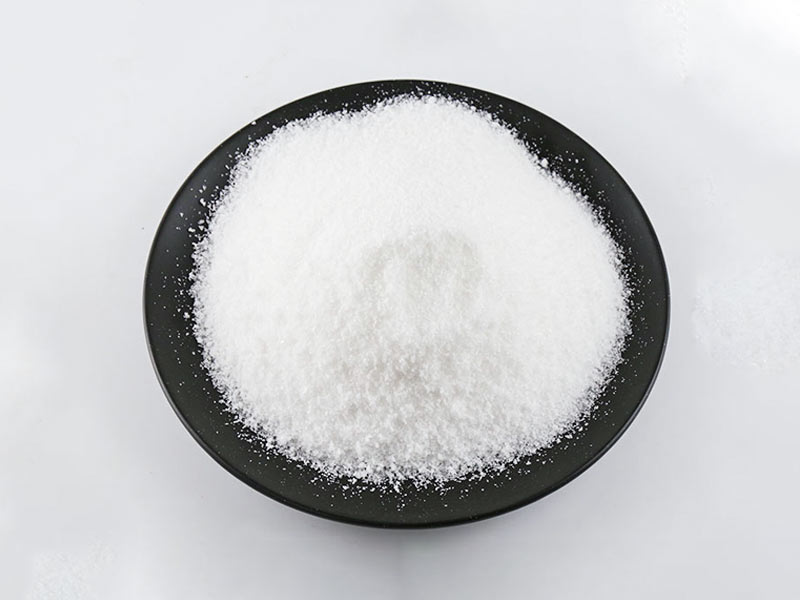
Polyacrylamide, as a commonly used flocculant, finds application in multiple areas. It can be employed for sludge dewatering, as well as for treating domestic sewage and organic wastewater. Its low dosage, high efficacy, and cost-effectiveness make it the preferred choice for countless manufacturers.
It is often said that you get what you pay for. The price of polyacrylamide is closely linked to its quality. Opting for higher-priced products will naturally increase water treatment costs. Opting for substandard quality directly compromises water treatment efficacy. Consequently, selecting a suitable manufacturer is paramount. Currently, the market predominantly consists of distributors, with significant price variations making quality assurance challenging. From this perspective, choosing the right manufacturer becomes particularly crucial. How then should one select a polyacrylamide supplier?
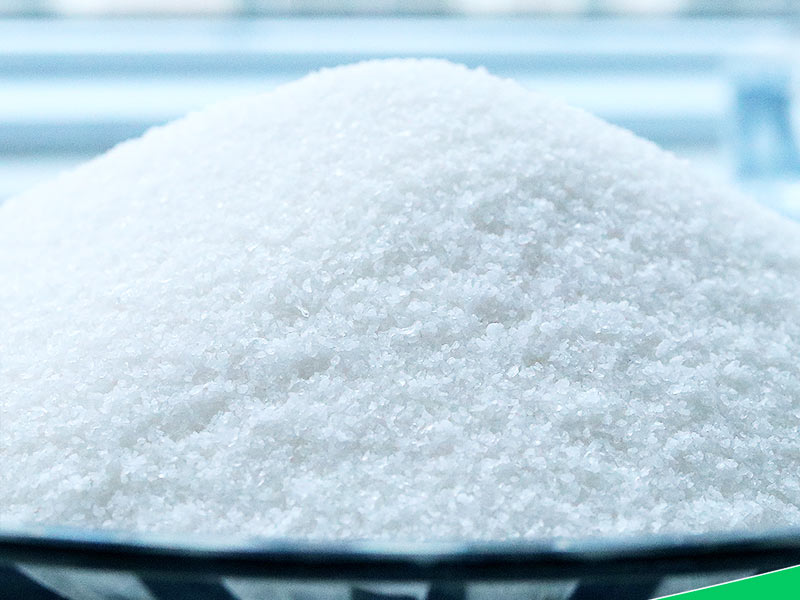
When selecting a polyacrylamide manufacturer, consider quality, price, and technical support. First, quality: during specification selection, pay attention to ion charge, molecular weight, and degree of hydrolysis. Typically, molecular weight directly impacts water treatment efficacy. Comparing molecular weights can help assess product quality. Dissolve different chemicals according to their ratios, dosages, and mixing times. After dissolution, compare the solutions by observing viscosity and appearance. Generally, higher-quality products exhibit greater viscosity and produce a transparent solution. Lower-grade products often appear as opaque milky-white or slightly yellowish liquids. Next is price: for anionic products, prices typically range from 6,000 to 10,000 yuan. Price variations primarily stem from molecular weight differences. For instance, products with a molecular weight of 10 million exhibit distinct pricing from those with 18 million. Finally, technical support is crucial, as wastewater treatment sites invariably encounter diverse operational challenges. Poor chemical stability compromises treatment efficacy, while equipment malfunctions or process issues similarly degrade outcomes. Consequently, reliable technical assistance proves indispensable.