With growing emphasis on environmental protection,
polyacrylamide has now become a widely used water purification agent. Its molecular weight determines different grades, categorised as anionic, cationic, amphoteric, and non-ionic. Given such variety, how might one assess its quality? Let us explore!
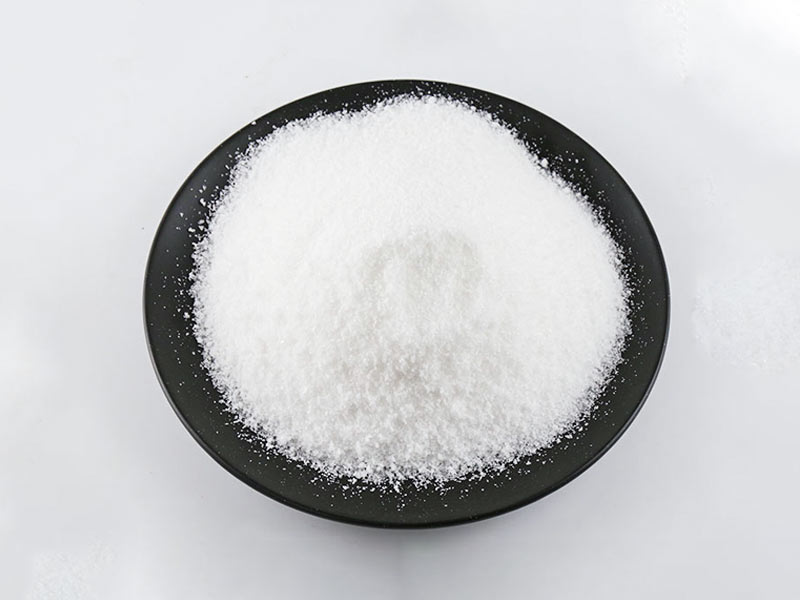
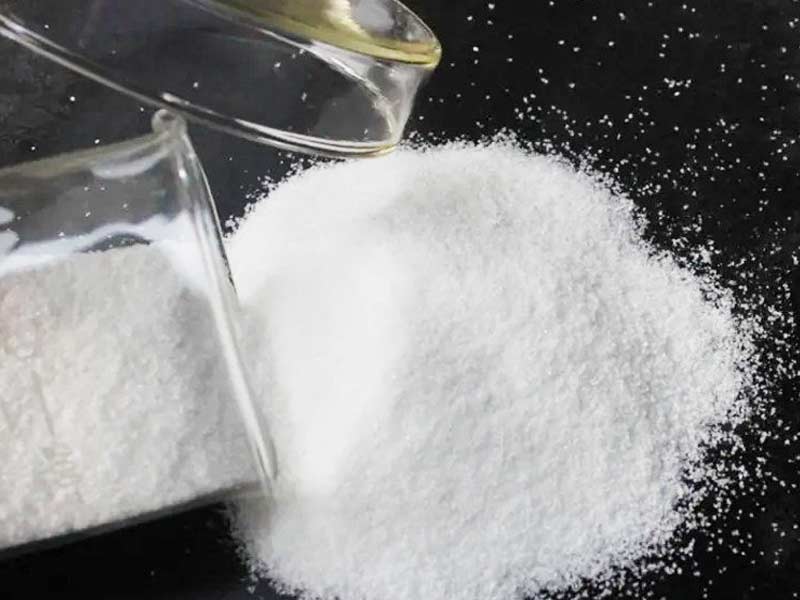
Solid polyacrylamide products typically appear as white powder or granular substances. Upon dissolution, the resulting solution is transparent and colourless. High-purity, premium-grade products exhibit a milky white appearance with uniformly sized particles and no impurities. Lower-grade products may vary significantly. They often appear as white or faintly yellowish granular material with inconsistent particle sizes. Some may even contain a mixture of granules and powder. Upon dissolution, the resulting solution exhibits strong viscosity and adhesion. Generally, the better the adhesion, the higher the product quality. This characteristic can be assessed using a stirring rod.
Beyond the above, how else might polyacrylamide quality be assessed? Firstly, solubility: amide products readily dissolve in cold water. Thus, molecular weight has relatively minor impact on solubility. However, if the dissolved concentration exceeds 10%, a gel-like structure may form. Whilst elevated temperatures can enhance dissolution, it is generally inadvisable to exceed 50°C, as this may induce degradation affecting efficacy. Whilst amide dissolution rates in water remain largely unaffected by pH, alkaline water (pH > 7) can enhance dissolution speed. However, hydrolysis occurs when pH exceeds 10.5.
Secondly, viscosity: the dissolution viscosity of polyacrylamide is influenced by pH, molecular weight, and shear rate. Given the logarithmic relationship between concentration and viscosity, high-molecular-weight products become challenging to handle once concentration exceeds 10%. While elevated temperatures can reduce viscosity, the overall effect is limited. Hydrolysis readily occurs when pH exceeds 10, concurrently causing rapid viscosity increase. At this stage, pH exerts substantial influence on the product. However, when aqueous solution pH shifts from acidic to alkaline, intermolecular friction increases markedly, leading to a pronounced rise in solution viscosity.