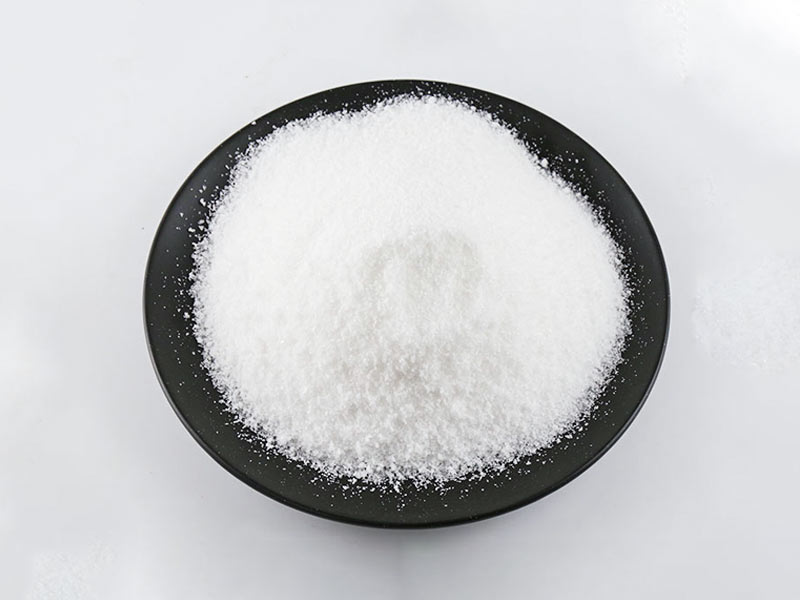
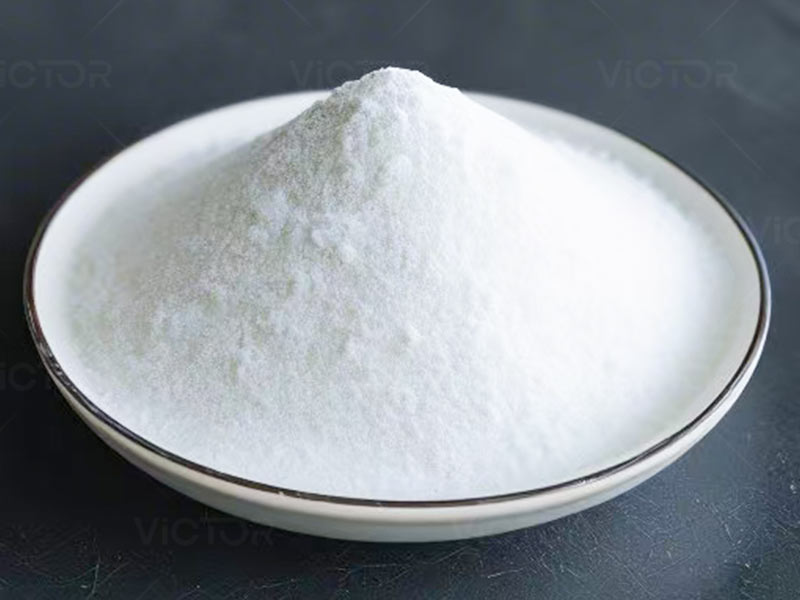
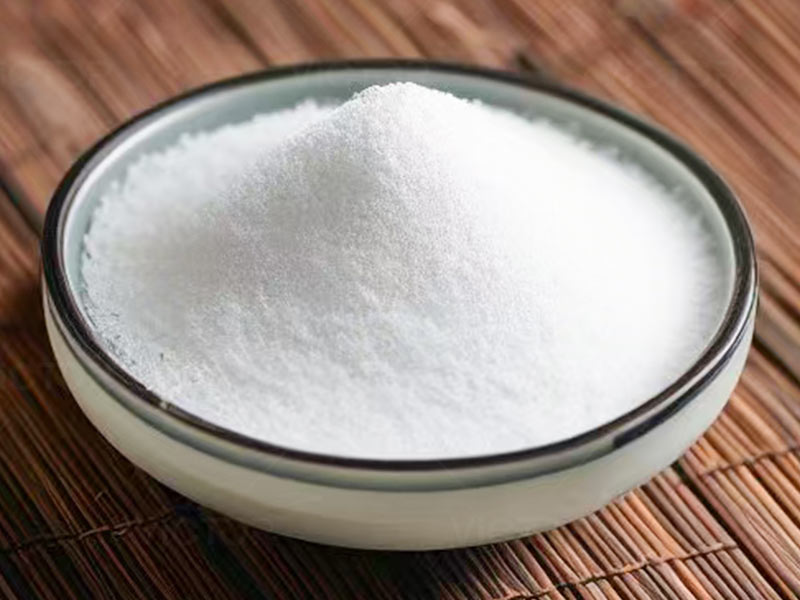
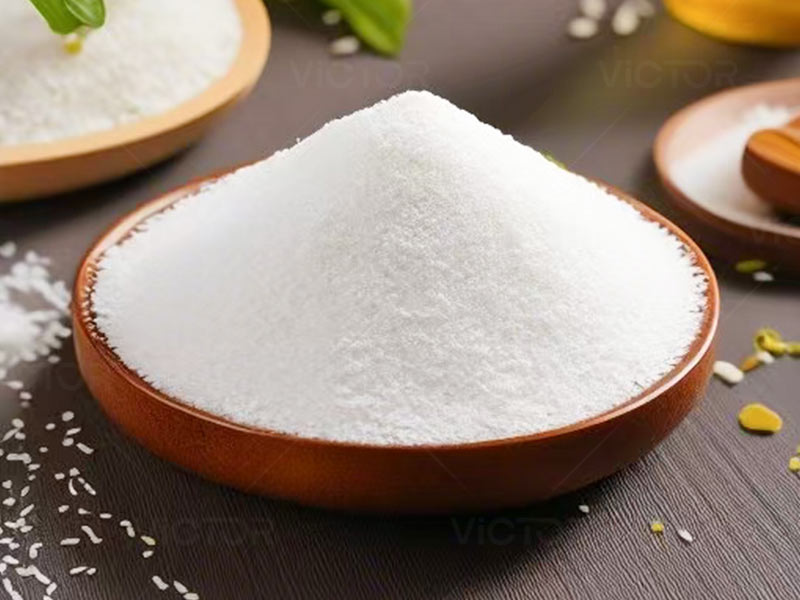
Anionic polyacrylamide finds extensive application within the water purification sector due to its broad suitability across various industries. Polyacrylamide is typically categorised by type into anionic, cationic, non-ionic, and amphoteric varieties, with these four being the most prevalent. Concurrently, PAM is often referred to as the ‘universal adjuvant’ within the water treatment field. Today, we shall focus on introducing anionic polyacrylamide, abbreviated as APAM. What are the application scopes and industries for anionic polyacrylamide? With this question in mind, Zeseng Water Purification's editor will elaborate.
Anionic polyacrylamide is a linear polymeric compound. Its structure is relatively active and can adsorb onto numerous substances. It rapidly forms flocculated aggregates. This flocculation process involves negatively charged colloidal particles. Consequently, polyacrylamide serves multiple functions including turbidity removal, decolourisation, deodorisation, disinfection, adsorption bridging, and more. It is thus widely employed in wastewater treatment across diverse sectors such as food processing, mineral processing, metallurgy, mining, oilfields, construction, dyeing, and papermaking.
Given the diverse range of polyacrylamide types available, different ionisation degrees suit distinct industrial applications. Consequently, prior to treating wastewater from various sectors, it is essential to sample the effluent and conduct trials to determine the optimal product type. Victor Water Purification will formulate the most suitable water treatment solution for your specific requirements.
The above outlines the scope of application for anionic polyacrylamide. Thank you for viewing. Please credit the source when sharing.