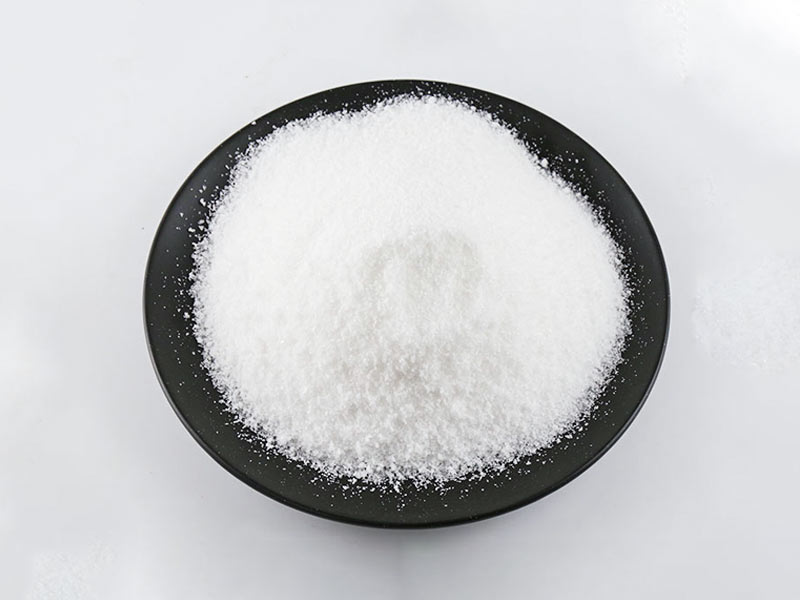
In the process of water treatment, the benefits of water purification chemicals have been widely recognised. Increasingly, wastewater is being treated using such agents. However, the market offers a bewildering array of water purification chemicals. Take
polyaluminium chloride products alone: they come in diverse varieties, with significant price variations. What, then, accounts for these differences in product pricing?
This stems from differences in production processes and aluminium oxide content. Variations in production methods are one factor influencing price differences for polyaluminium chloride products. While raw material costs do not differ greatly, the price of polyaluminium chloride produced via spray drying is notably high. Products manufactured using plate-and-frame filtration fall into the mid-range price bracket. Products manufactured via the drum process are priced slightly lower.
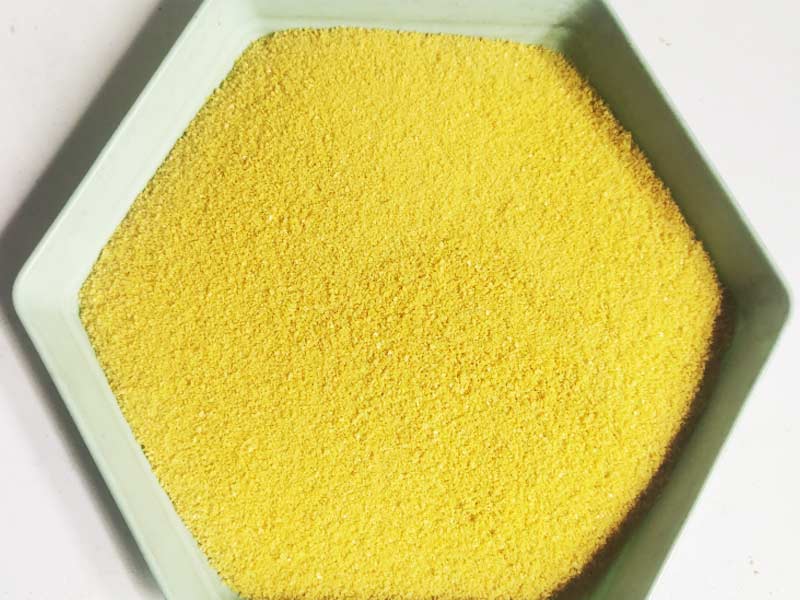
Aluminium oxide content also influences pricing. Products are categorised by aluminium oxide content: 30%, 28%, and 26%. Selection should be based on specific application requirements and usage scope. Correspondingly, prices vary according to these content levels. The 30% alumina content product boasts higher purity, primarily employed in drinking water treatment for specialised processes such as fluoride and chlorine removal. The 28% alumina content product finds extensive application in domestic sewage treatment and industrial wastewater purification. The 26% alumina content product is slightly more economical and is frequently utilised in industrial wastewater treatment.
Indeed, achieving superior water treatment outcomes hinges on selecting the appropriate flocculant. Therefore, choosing a polyaluminium chloride product that delivers effective water treatment at a low cost—commonly employed across drinking water, municipal sewage, sludge dewatering, industrial water, and other water treatment sectors—is fundamental to ensuring treatment efficacy. Regardless, the pricing of polyaluminium chloride products should ultimately be determined by practical application, with purchases made according to specific requirements.