Polyacrylamide is a highly effective water purification agent suitable for numerous applications and industries. However, issues may inevitably arise during product usage, stemming from on-site conditions, operational errors, or inherent product characteristics. Today, we shall explore the causes of product failure.
Why might polyacrylamide products become ineffective? One reason is exceeding the shelf life. Typically, the product's effective shelf life is two years. Once this period passes, degradation may occur, causing the product to lose its intended efficacy. Furthermore, improper storage conditions—such as exposure to direct sunlight or humidity—can also cause the product to lose its inherent properties and become ineffective. Similarly, contact with other chemicals may lead to product failure. Another factor is purchasing products with incorrect technical specifications. Mismatches between the product grade and the raw water quality will likewise diminish the product's intended efficacy.
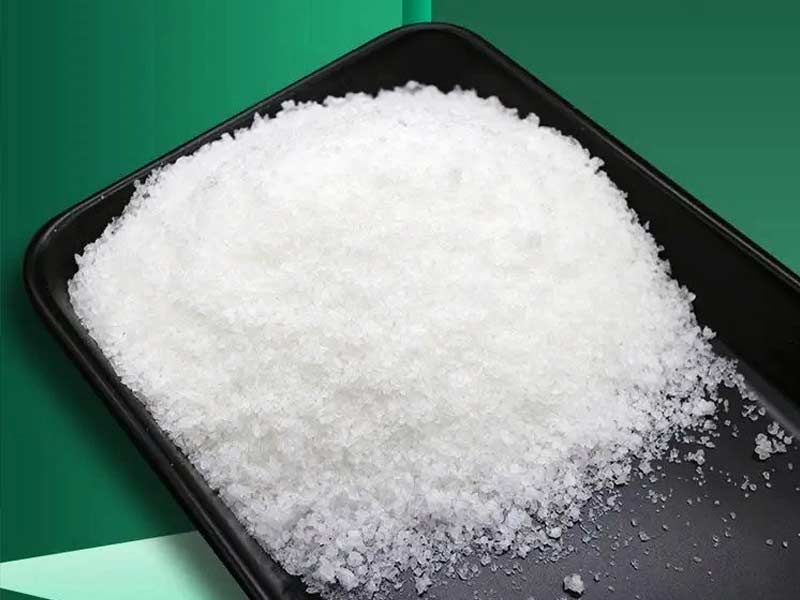
Beyond solid products, polyacrylamide solutions can also become ineffective during dissolution. Why is this? Primarily due to insufficient dissolution time. Inadequate dissolution time prevents complete dispersion of the product, thereby failing to achieve the desired performance. Some may mistakenly attribute this to product failure, when it is actually due to incomplete dissolution. Furthermore, prolonged storage of the prepared solution can cause degradation, reducing its viscosity. Lower viscosity shortens molecular chains, potentially rendering the product ineffective. Therefore, the solution should be prepared and used immediately. Water temperature during dissolution is also critical. Should water temperatures exceed sixty degrees Celsius, the solution may degrade further with increasing heat, thereby losing efficacy. Furthermore, if impure water sources are used during dissolution instead of clean tap water, the product's resistance to salts and high mineralisation may be compromised. This inhibits the product's performance, leading to failure. Finally, operational and on-site environmental variations—such as production processes, drainage volume, water quality, sludge composition, and dissolution concentration—directly impact the product's efficacy. Adjustments to dosage and concentration must be made promptly according to prevailing conditions. Where necessary, the product specification may also require modification.