Polyacrylamide is a commonly used multifunctional treatment agent. It finds extensive application in water treatment and the water treatment industry. It effectively improves water quality and facilitates sludge dewatering, preventing the deposition of inorganic substances. Application methods vary according to the specific field, necessitating analysis of dosage based on water quality and sludge characteristics.
What role does polyacrylamide play in the process? During water treatment, it can effectively reduce chemical consumption. When used in conjunction with other agents under identical water conditions, it can substantially lower overall chemical consumption. It significantly contributes to water quality improvement by effectively altering water composition and accelerating the settling rate of flocculants. This facilitates sludge dewatering while reducing dosage requirements and preventing material deposition on equipment surfaces. Consequently, it minimises fouling and equipment corrosion.
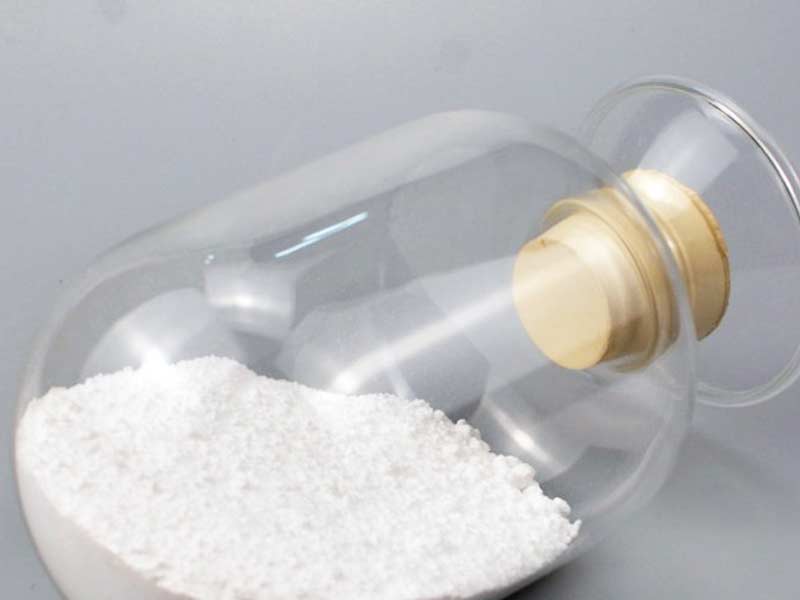
What considerations are essential when employing polyacrylamide? Floc size is critical: excessively small flocs impede drainage efficiency, while overly large flocs reduce dryness. The molecular weight of polyacrylamide products allows precise floc size adjustment. Additionally, product selection should align with sludge origin and characteristics. Anionic products are unsuitable for strongly acidic conditions, whereas cationic variants are appropriate for strongly alkaline environments. Higher solids content necessitates significantly increased dosage. Given substantial variations in molecular weight, preliminary testing is recommended to select the most suitable product grade. This approach ensures optimal performance while minimising chemical consumption and reducing costs.
Polyacrylamide products are frequently used in conjunction with other chemicals, notably polyaluminium chloride. What precautions should be observed during their combined application?
Generally, the sequence of addition must be correct. Incorrect sequencing will fail to achieve the desired effect. The proper sequence is to add the polyaluminium first, followed by the polyacrylamide. After adding the polyaluminium, a period of time must elapse. This allows the wastewater to form flocs with the polyaluminium. Only then should the polyacrylamide be added, causing the small flocs in the wastewater to coagulate into larger flocs. This achieves an optimal effect. This procedure follows the principle of adding coagulants before flocculants. Crucially, the two products must never be mixed together; they must be used separately.