The role of
polyaluminium chloride as a commonly used water purification agent is well-known. But why is it effective at purifying water? Let us explore this today.
Polyaluminium chloride is a composite salt processed from aluminium trichloride and aluminium hydroxide. It is an inorganic, high-molecular-weight chemical polymer. During operation, it neutralises the electrical charge of colloidal particles and destabilises them. This occurs because the ion concentration decreases as the distance from the interior to the exterior of the colloidal particle increases. After being added to the solution and undergoing electrolysis, the colloidal particles repel each other, causing them to rapidly coagulate. Simultaneously, it exhibits adsorption and bridging effects, effectively removing harmful substances from the water. These capabilities are unmatched by other water purification agents.
As an exceptional water purification product, polyaluminium chloride boasts extensive applicability. It not only treats conventional surface water but also effectively processes highly turbid Yellow River water. Within certain parameters, its superiority becomes increasingly evident as raw water turbidity rises and its variability increases. Moreover, it demonstrates superior efficacy compared to other products when treating low-temperature, high-turbidity water.
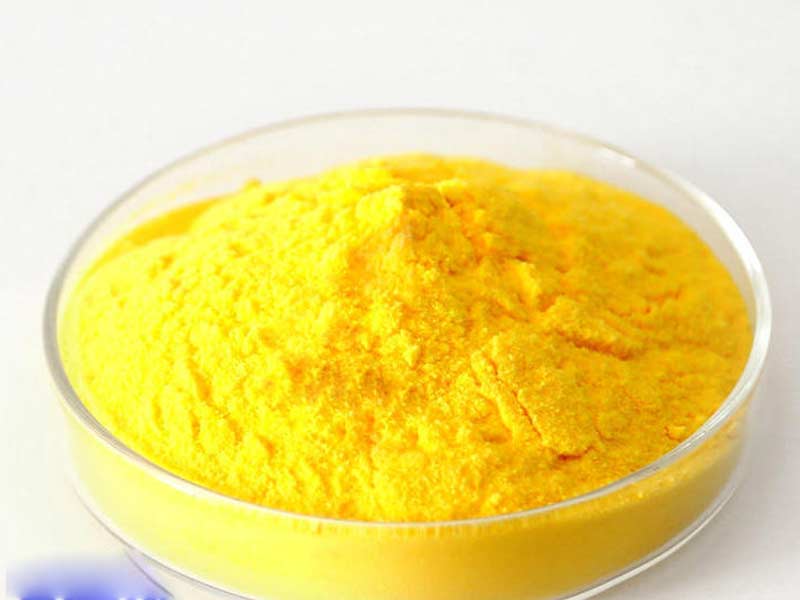
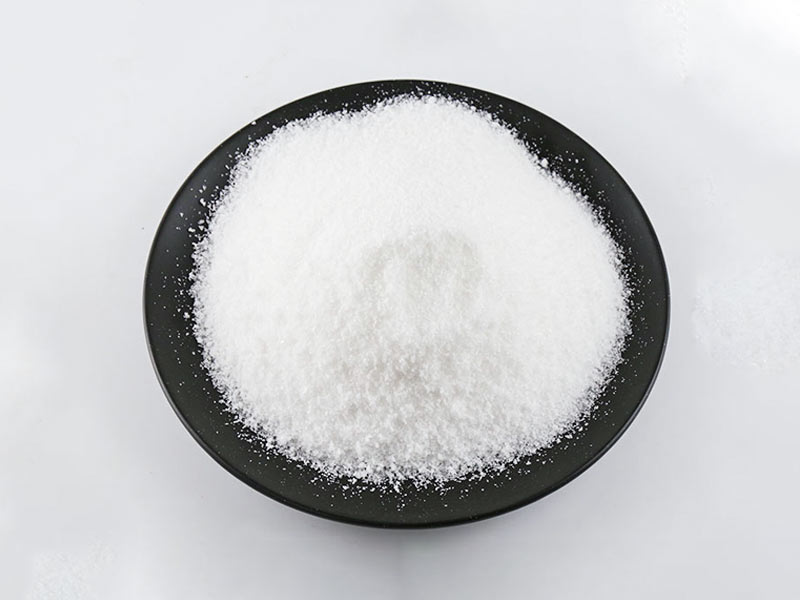
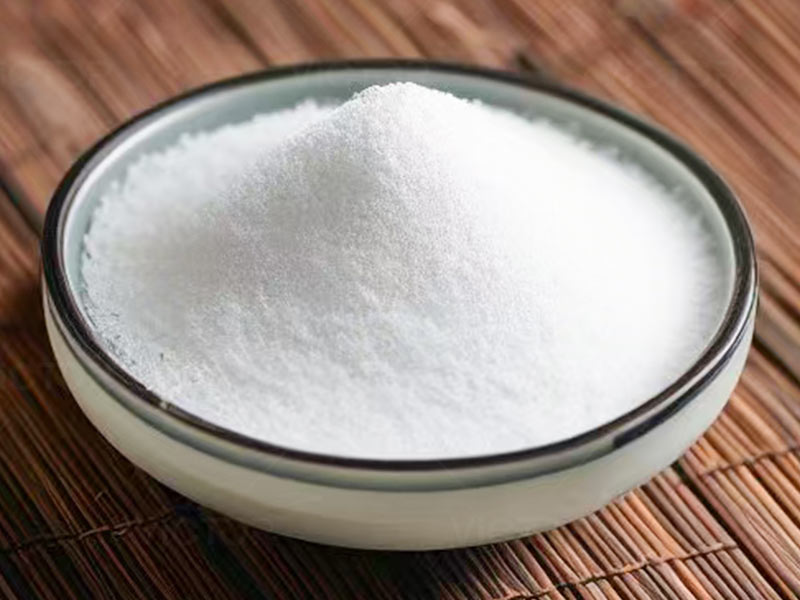
However, it should be noted that different polyaluminium chloride products are intended for distinct applications. For instance, products for industrial wastewater treatment differ from those for potable water treatment. Products for industrial wastewater typically exhibit a dark brown or deep yellow appearance, with trichlorine oxide content ranging between 25% and 28%. These products offer low production costs alongside excellent purification efficacy, making them widely applicable for treating various industrial waters and municipal sewage. Products for drinking water treatment are predominantly yellow or golden yellow in colour, with a typical trichlorine oxide content of around 30%. Higher-concentration products are required for drinking water treatment due to the presence of heavy metals such as iron in lower-concentration polyaluminium raw materials, which are harmful to human health. These are harmful to human health, hence the concentration requirements. Higher-concentration products demand superior raw materials, resulting in increased manufacturing costs. Production primarily employs plate-and-frame filtration or spray drying techniques. As a relatively novel, highly efficient water purification agent, it finds extensive application in municipal water treatment plants and domestic potable water processing.