As a commonly used water treatment chemical,
polyaluminium chloride has a wide range of applications and delivers excellent results. However, as a frequently used product, we often find it challenging to ascertain quality during purchase. Typically, laboratory testing is required to gain a general understanding of the product's quality. So how can one assess product quality without laboratory analysis? Today, Victor Water Purification Company shares some practical tips for identification.
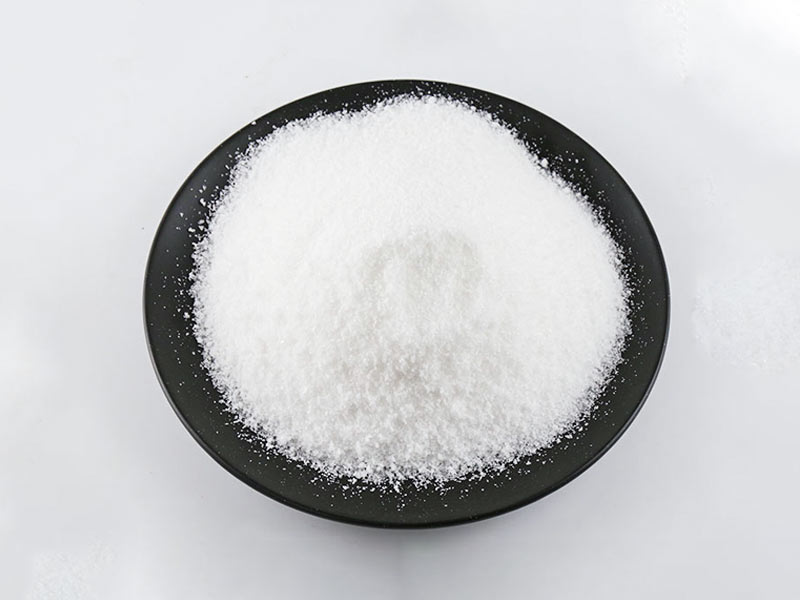
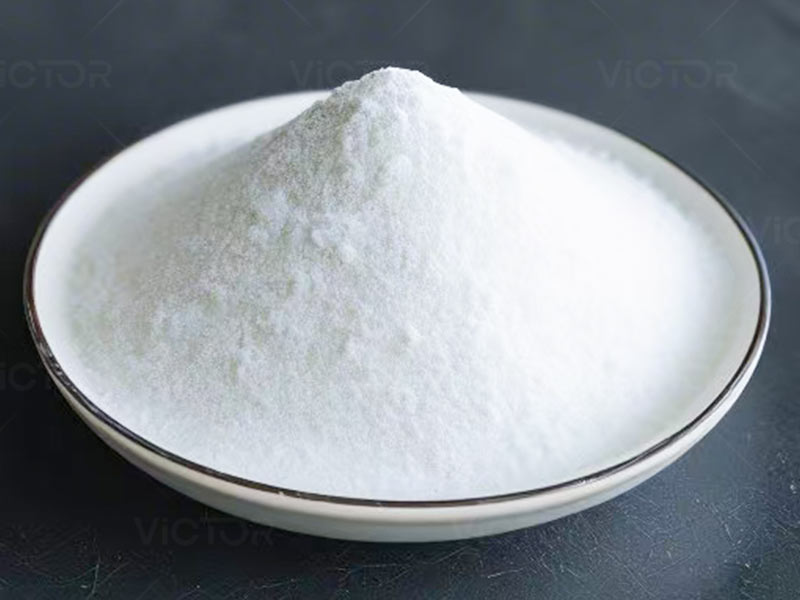
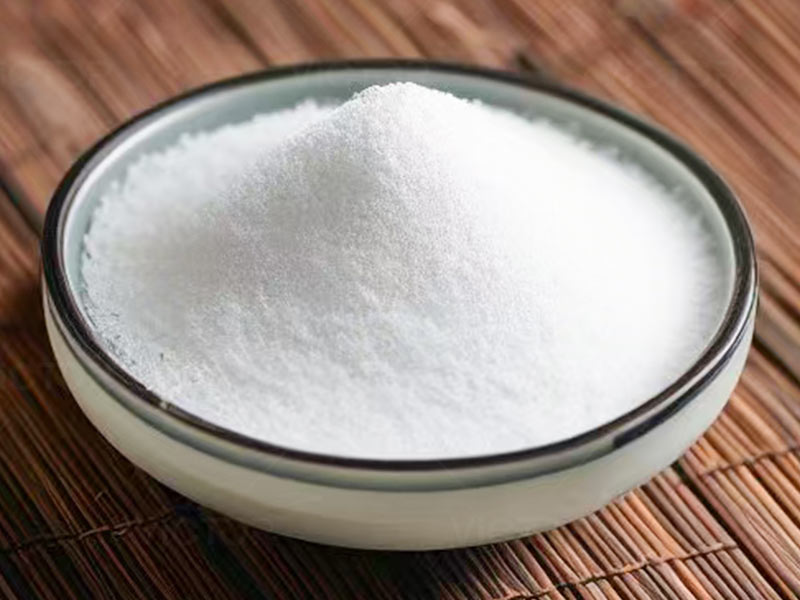
It is important to note that polyaluminium chloride is predominantly manufactured using hydrochloric acid, bauxite, or calcium hydroxide powder as raw materials. The variety and low cost of these raw materials contribute to its favourable production expenses. However, the quality of hydrochloric acid, an indispensable production material, is closely linked to the overall cost and quality of the final product. For instance, products manufactured using industrial-grade hydrochloric acid often exhibit a brownish hue. Conversely, high-quality hydrochloric acid yields products with a cream or golden yellow colour, indicating superior quality. Thus, in most cases, the colour of the polyaluminium chloride can provide a simple indicator of its quality.
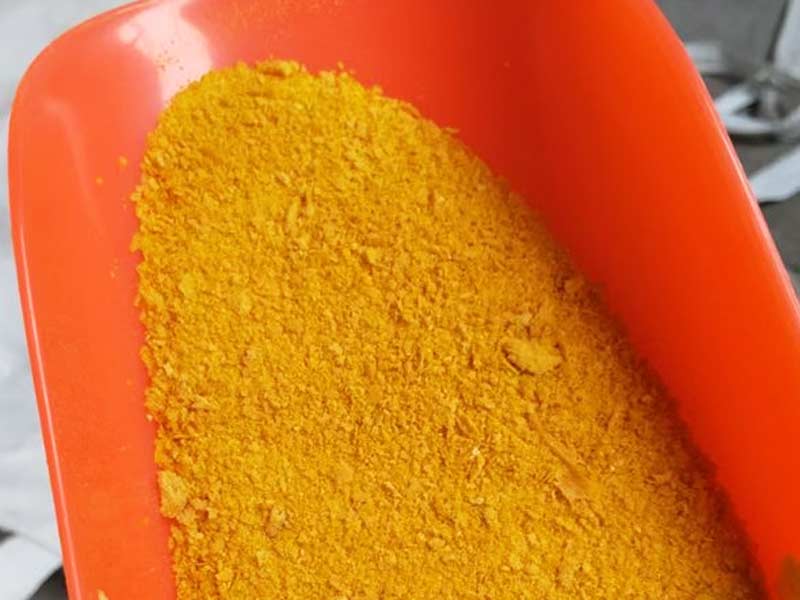
Next is the matter of water-insoluble matter. This constitutes a significant factor affecting the quality of polyaluminium chloride. When assessing product quality, one can observe the transparency of the aqueous solution formed by dissolving the polyaluminium chloride in water. Generally, the clearer and more transparent the solution, the fewer insoluble impurities present, indicating higher quality.
Lastly, the base degree is crucial. The base degree of polyaluminium chloride directly determines its chemical structure, morphology, degree of polymerisation, molecular charge, stability, and more. It is closely related to flocculation efficiency. Generally, the higher the concentration of the raw water, the higher the base degree required, which in turn yields better flocculation results. In summary, the base degree correlates with the turbidity of the raw water. For raw water turbidity ranging from 85 to 10,000 mg/L, a basicity between 40% and 85% is most suitable. Higher basicity naturally commands a higher price, though the required dosage is correspondingly lower. Among current market products, spray-dried types exhibit the highest basicity. Differences in production processes and raw materials can also lead to significant variations in basicity.
Thus, numerous techniques exist for assessing the quality of polyaluminium chloride products. The points outlined above provide a useful framework for evaluation.