It is widely recognised that molecular chain length serves as an indicator of
polyacrylamide product quality, directly influencing the product's ultimate performance. However, does a higher molecular weight necessarily equate to superior efficacy? Not necessarily. Therefore, understanding how to correctly select products with appropriate molecular weights is essential.
How then should one choose polyacrylamide products with the correct molecular weight? First, let us examine the molecular weight of polyacrylamide. Anionic polyacrylamide products typically have molecular weights ranging from 18 to 25 million. Non-ionic products generally fall between 6 and 12 million, while cationic products range from 7 to 12 million. Before selecting molecular weight, one must first ascertain whether the required product type is anionic, non-ionic, or cationic. Generally, this can be determined based on the wastewater's pH level. For acidic wastewater, cationic products are typically preferred, while anionic products are more suitable for alkaline wastewater. Under acidic conditions, flocculation results are less affected by pH variations. Moreover, flocculation strength and performance surpass those of anionic products. Consequently, for industrial wastewater treatment, products with molecular weights between 6 million and 18 million are predominantly employed. In manufacturing sectors such as incense production, adhesives, and paints, products ranging from 18 million to 25 million molecular weight are favoured. For coal washing wastewater treatment, products with molecular weights between 12 million and 16 million are predominantly employed. Municipal sewage treatment typically utilises products with molecular weights ranging from 9 million to 12 million.
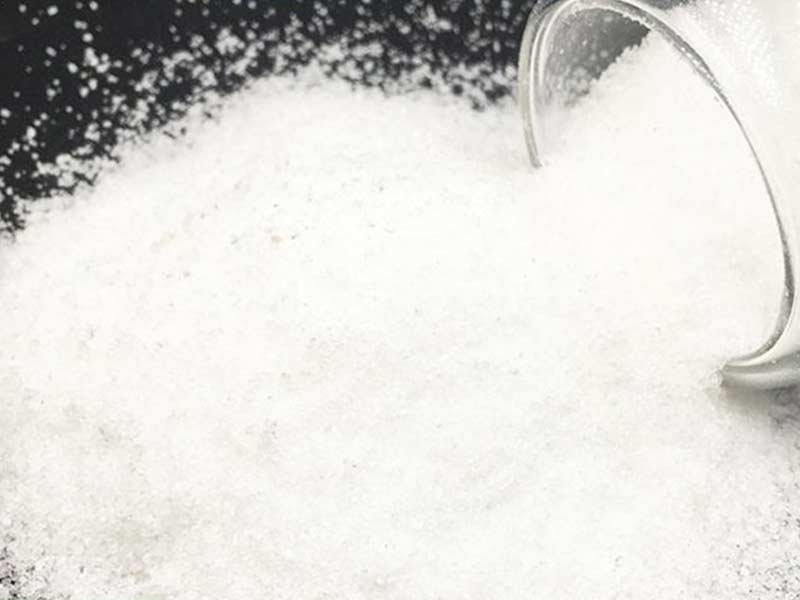
It is crucial to select the appropriate polyacrylamide type. Prior to use, the product must be dissolved and configured into an aqueous solution. However, many manufacturers now employ reclaimed water for dissolving polyacrylamide during preparation. Does this affect efficacy? Indeed, using reclaimed water may cause minor product loss. The extent of this impact, however, depends on the specific water conditions. If dissolved in acidic water, the solution may initially appear turbid but will degrade within approximately half an hour, thereby reducing water treatment efficacy. Dissolving the product in alkaline water significantly affects its ionisation degree. Therefore, it is advisable to avoid using recycled water for dissolution. While the impact may be minor, it is nonetheless present and could increase water treatment costs.