


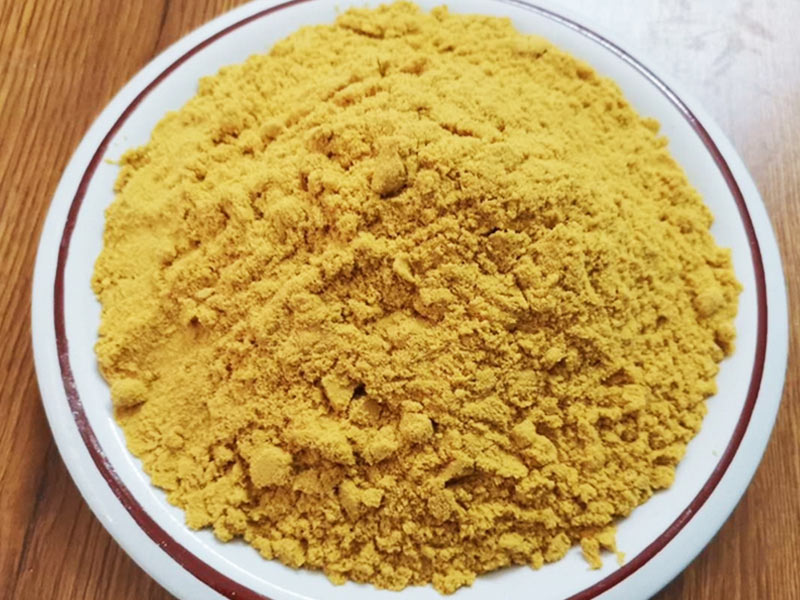
With water pollution becoming increasingly severe, the importance of water treatment processes has grown significantly. Consequently, the market has seen a proliferation of water purification agents. Polyferric sulphate is one such agent.
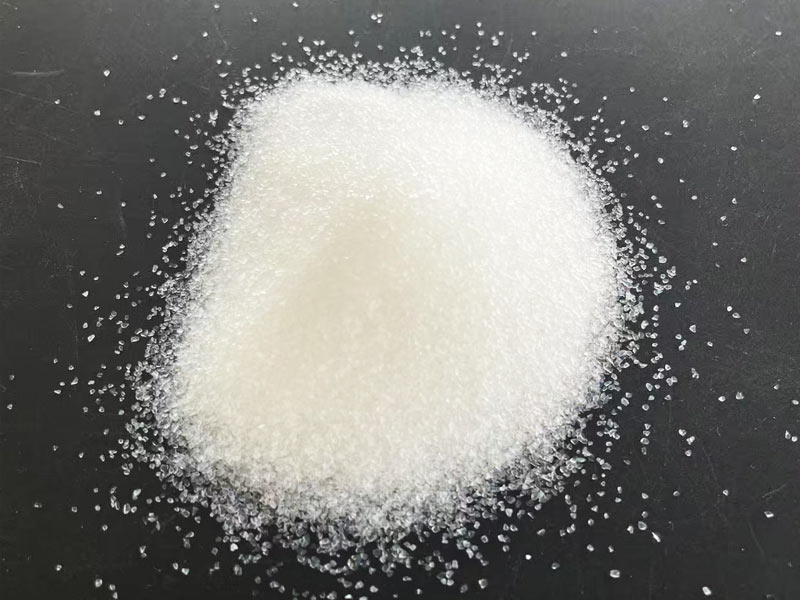
The dosage of cationic polyacrylamide products during use can be said to directly impact their efficacy. Variations in water quality and wastewater volume also necessitate differing addition rates. In this regard, achieving satisfactory purification resul
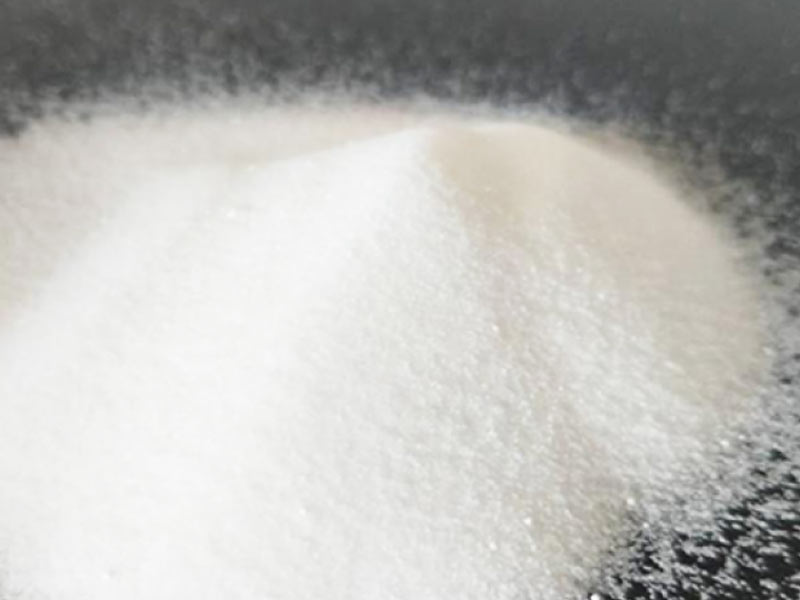
Polyacrylamide is a widely used water treatment chemical. It is also a chemical product. Due to its effective performance and broad application across various industries, it has gained considerable acclaim.
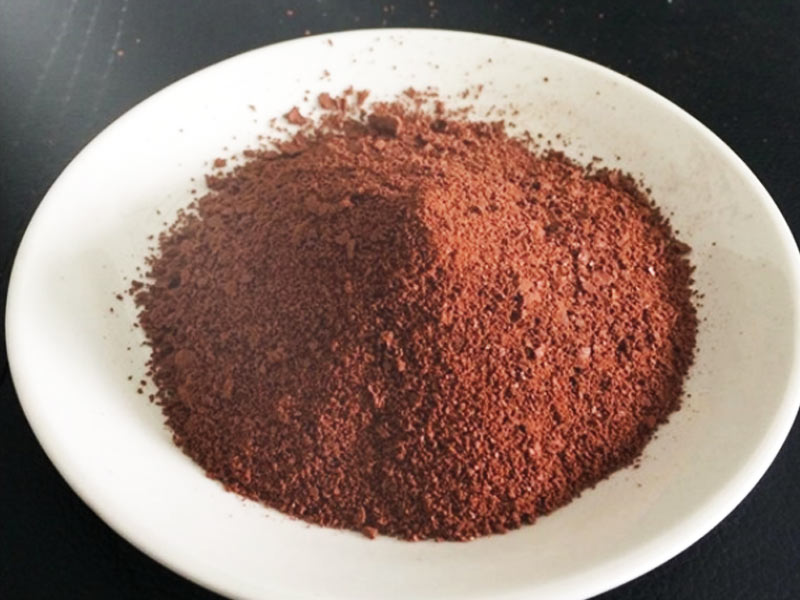
In the water purification process, polyacrylamide is not only highly effective but also a commendable water treatment product. As an efficient inorganic polymer flocculant, it boasts a wide range of applications.
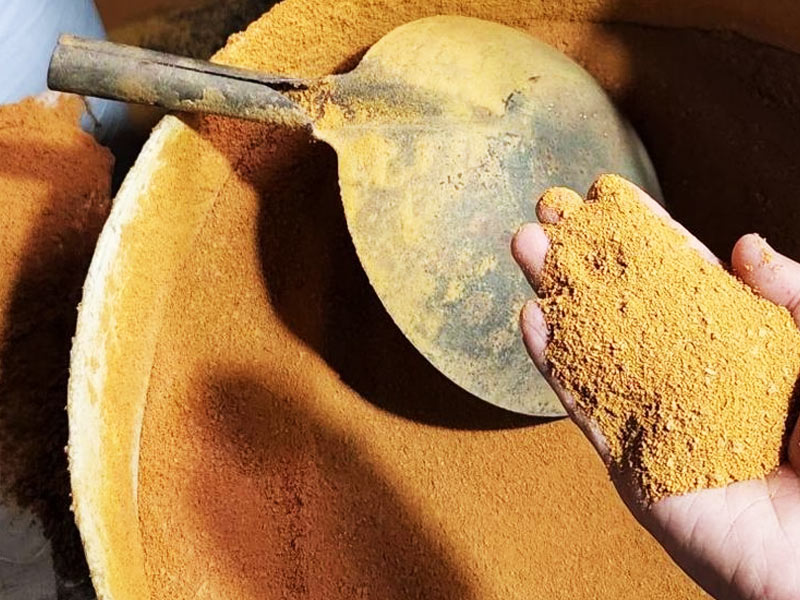
As one of the most widely used chemicals in sewage treatment plants and waterworks, the quality of polyaluminium chloride directly impacts water treatment efficacy. Therefore, careful selection is essential during procurement.
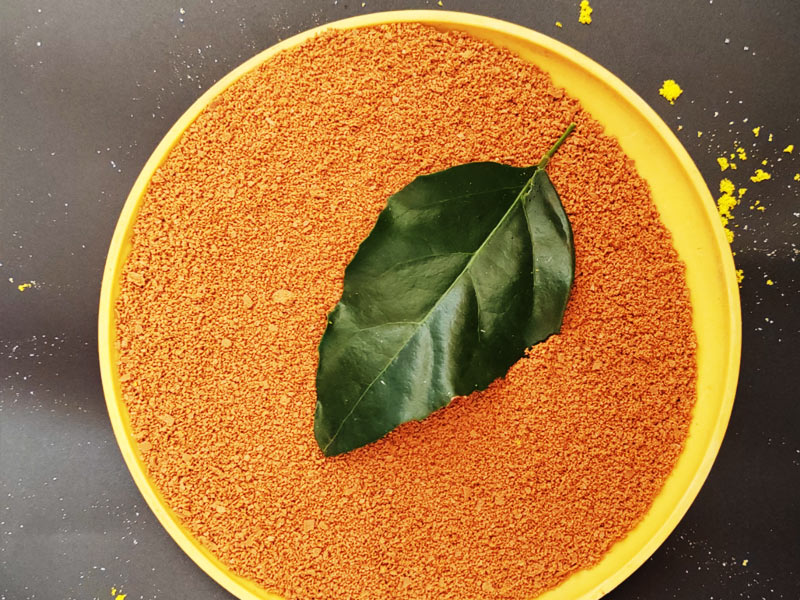
We are all aware that the efficacy of polyaluminium chloride is closely and directly related to its active component, aluminium trioxide. The content of aluminium trioxide varies between 20% and 30%. Therefore, we require testing of its purity.
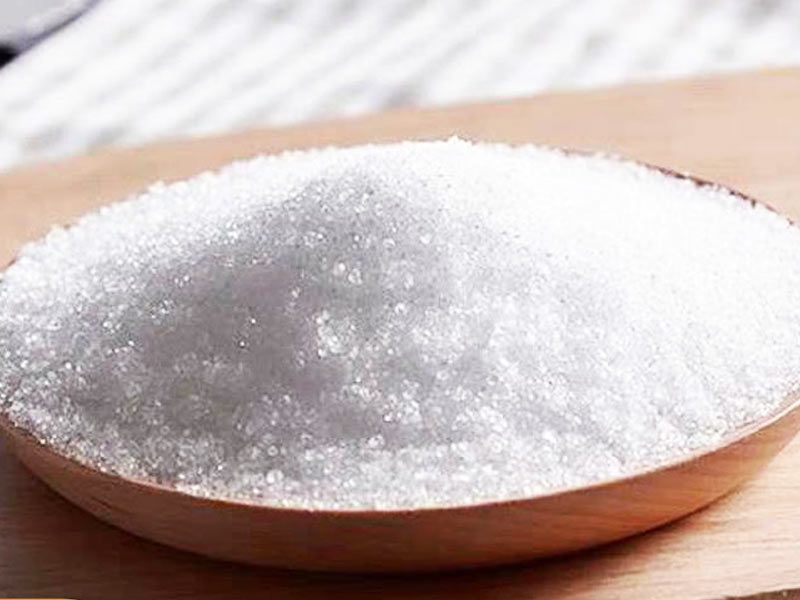
We are all aware that items have a specified usage period. Once this period is exceeded, deterioration may occur. Whether edible or otherwise, this will affect the final outcome. Polyacrylamide is no exception. Once noticeable clumping occurs, it will com
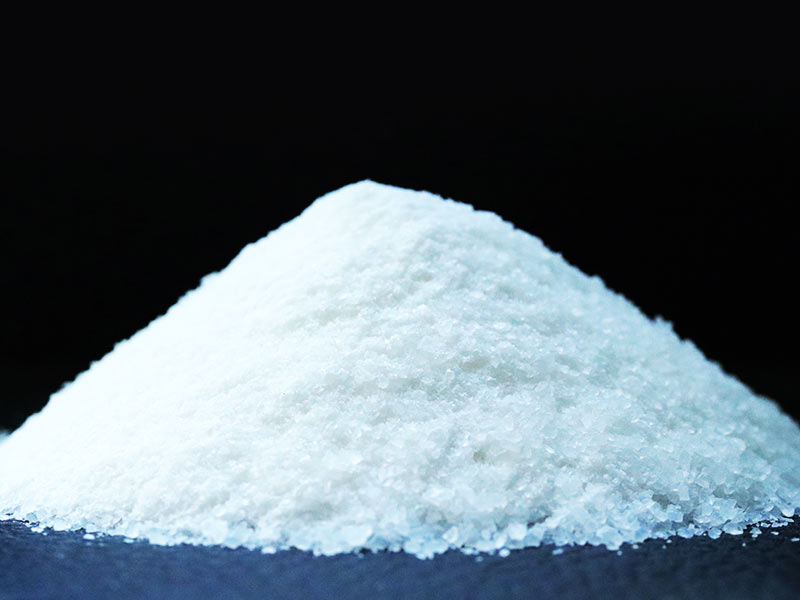
As a commonly used water purification flocculant, polyacrylamide products are widely recognised. Their highly effective water treatment capabilities make them a preferred choice for many in water treatment applications.
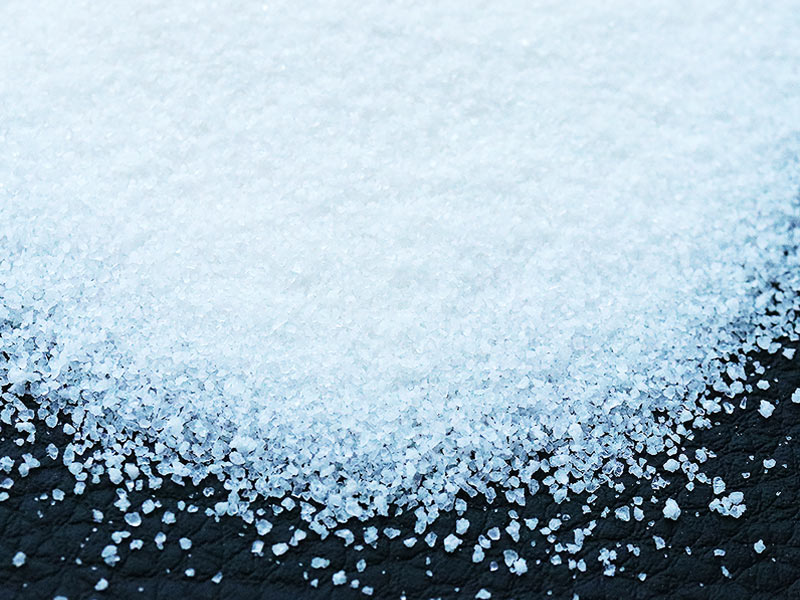
As a polymeric compound, cationic polyacrylamide possesses multiple reactive functional groups capable of effectively adsorbing numerous substances. The resulting flocs carry a negative charge, exhibiting excellent turbidity removal, decolourisation, and
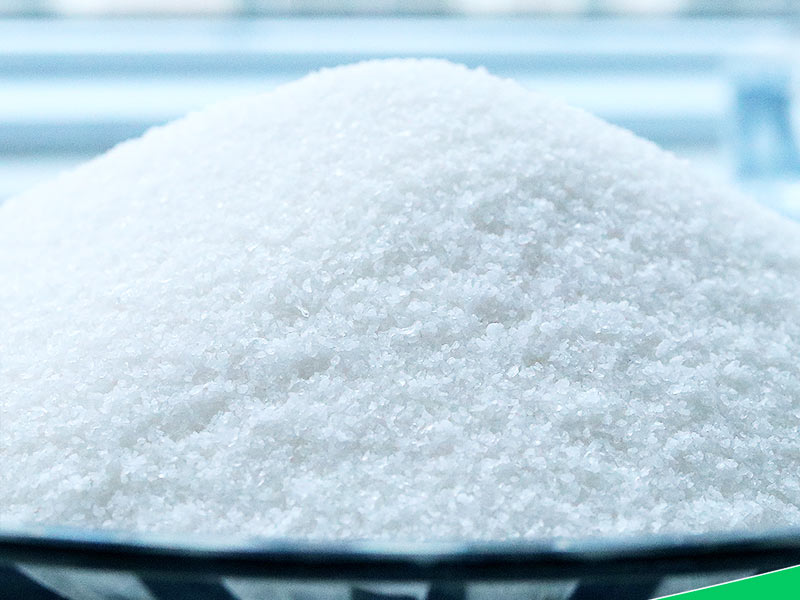
The number of enterprises utilising polyacrylamide continues to grow. However, in wastewater treatment, high costs, poor treatment efficacy, and inconsistent chemical quality remain significant challenges for many. How might we address these difficulties
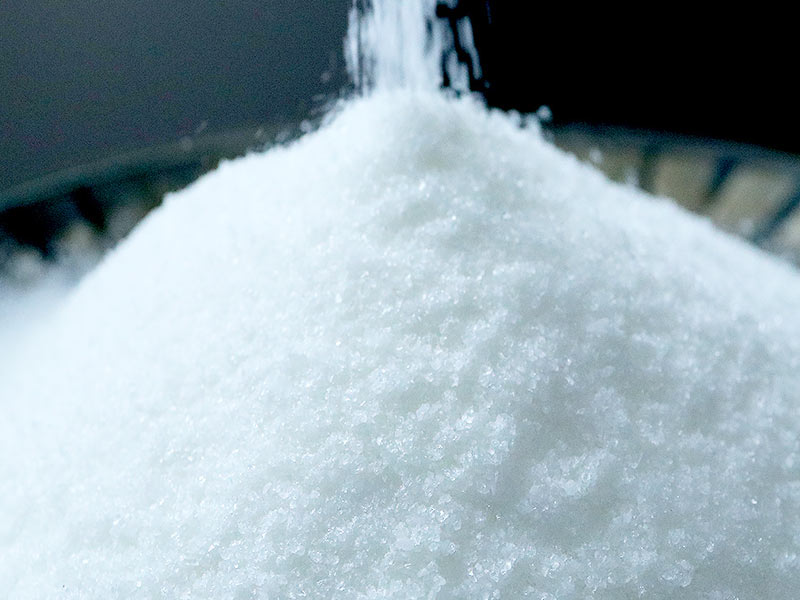
During the water purification process, we encounter numerous water treatment chemicals, with polyacrylamide being one such agent suitable for diverse industries. However, to ensure it delivers optimal performance and efficacy across various sectors, certa
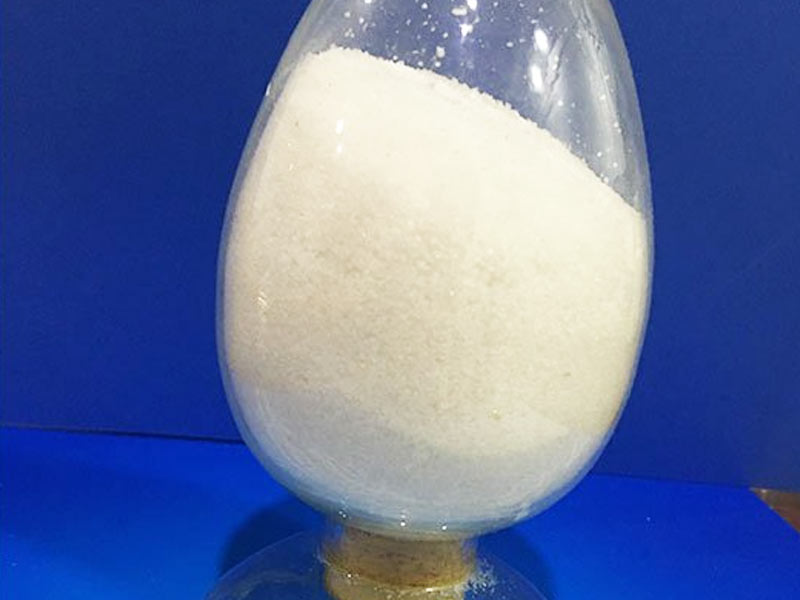
It is widely recognised that polyacrylamide serves as a versatile water treatment chemical in water purification processes. As a highly water-soluble polymer, it remains insoluble in most organic solvents. Consequently, thorough understanding of the water
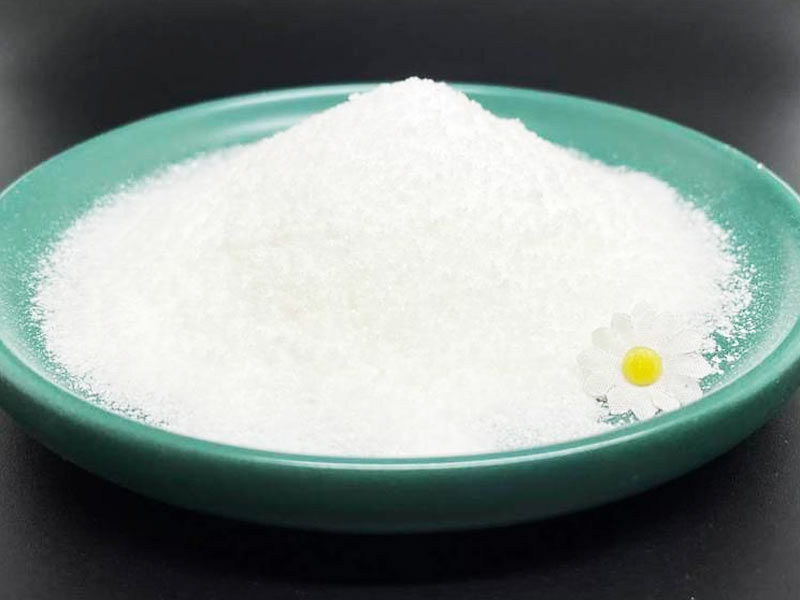
Industrial-grade polyaluminium chloride products enjoy extensive application across the market. Primarily designed for treating industrial wastewater, they deliver superior purification efficacy while reducing both treatment methods and associated costs.
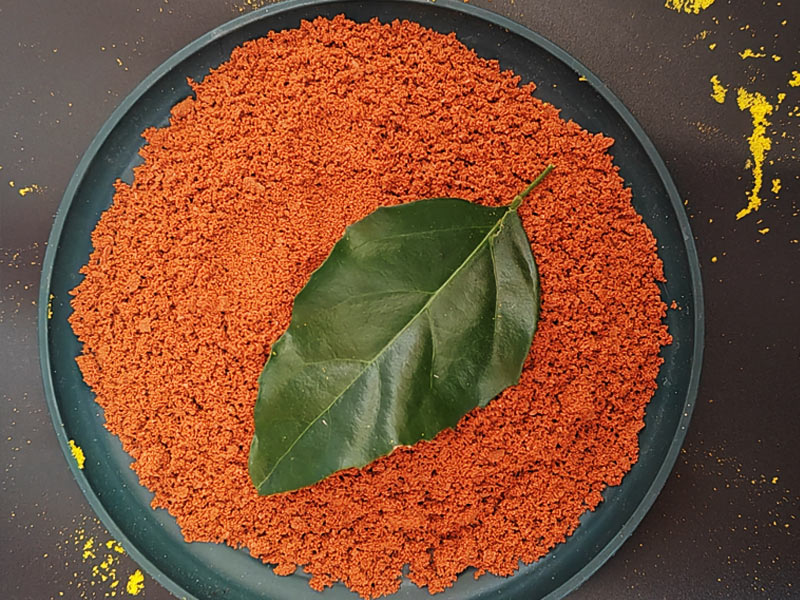
Polyaluminium chloride has seen soaring sales in recent years as a water treatment chemical. This surge correlates with China's rapid industrial expansion. As a commonly employed sewage treatment agent, it boasts low production costs and excellent effica
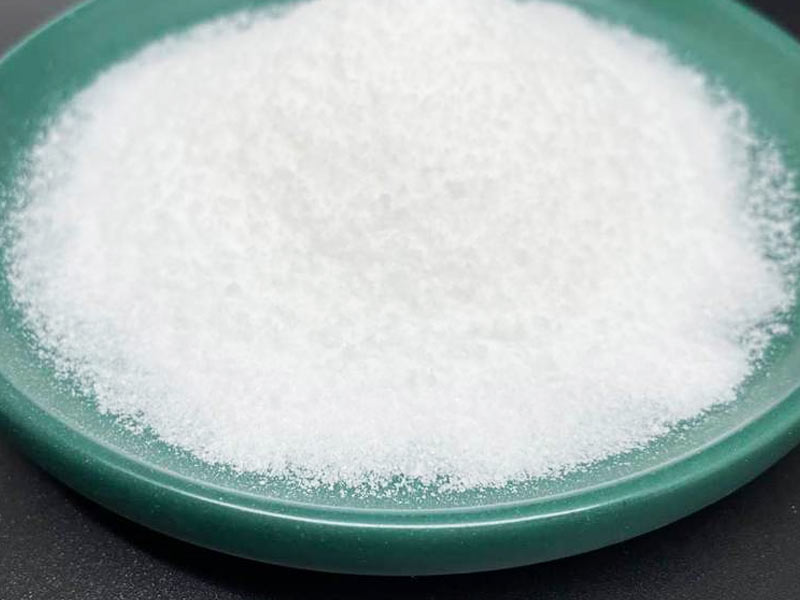
As a highly effective water treatment chemical, polyacrylamide is an organically derived polymeric flocculant developed at an early stage. It exhibits excellent flocculation properties and provides effective coagulation assistance.