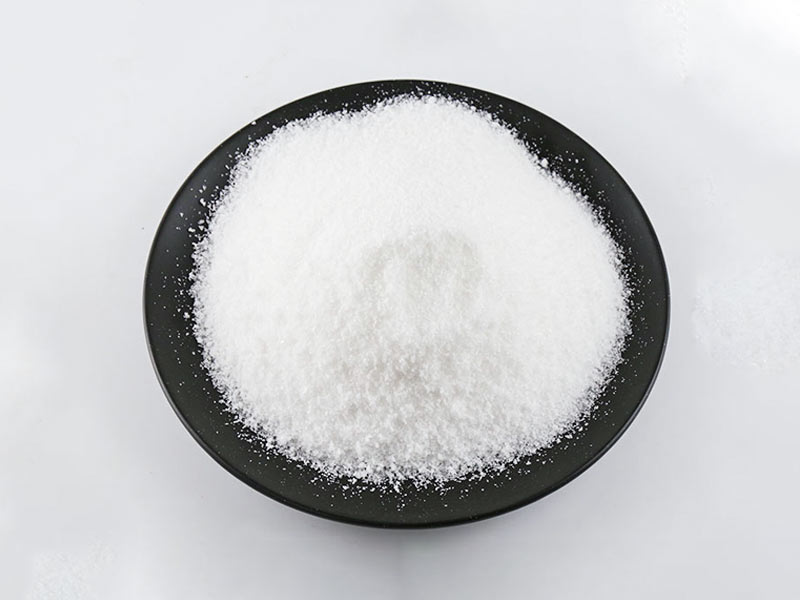
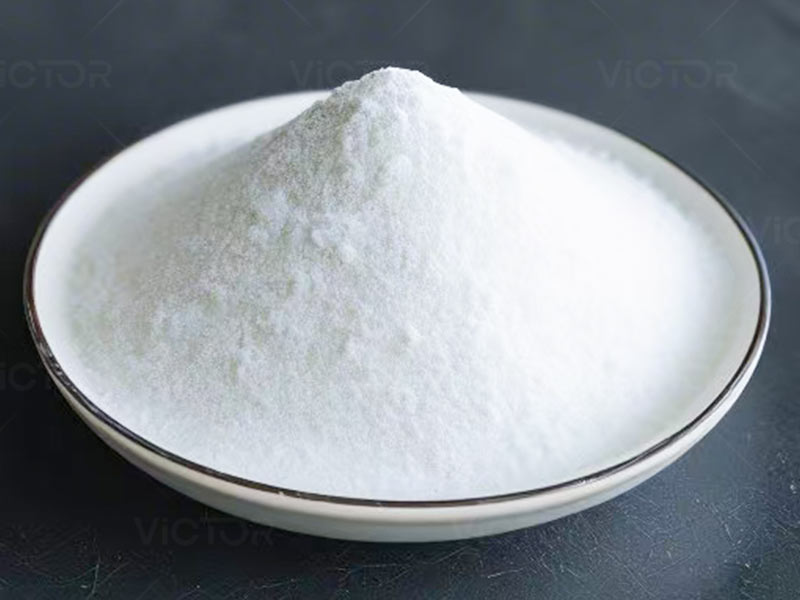
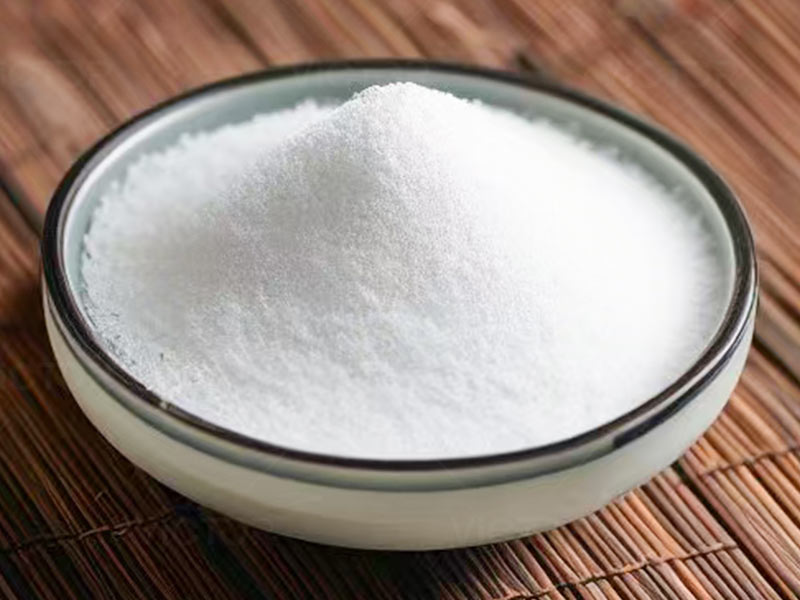
Polyacrylamide is a linear polymeric flocculant possessing excellent flocculation properties, widely employed in the water treatment industry. Its coagulation-enhancing capabilities also render it indispensable in papermaking and mineral processing sectors. Despite numerous advantages, however, it suffers from a significant drawback: prolonged dissolution times. Today, we shall examine this dissolution issue in detail.
The dissolution of polyacrylamide is determined by its molecular chains. Due to their considerable length, these chains first undergo swelling during dissolution before gradually dissolving. It is crucial to note that excessive quantities should not be added at once during dissolution. It must be introduced slowly and evenly dispersed. This is because the portion of the product that first contacts water swells, increasing its surface area and enveloping the undissolved sections. This leads to the formation of insoluble lumps. Therefore, when dissolving it, it is advisable to first agitate the water to create a vortex. The product should then be slowly poured into this vortex. This prevents clumping, which could compromise the product's effectiveness or render it ineffective.
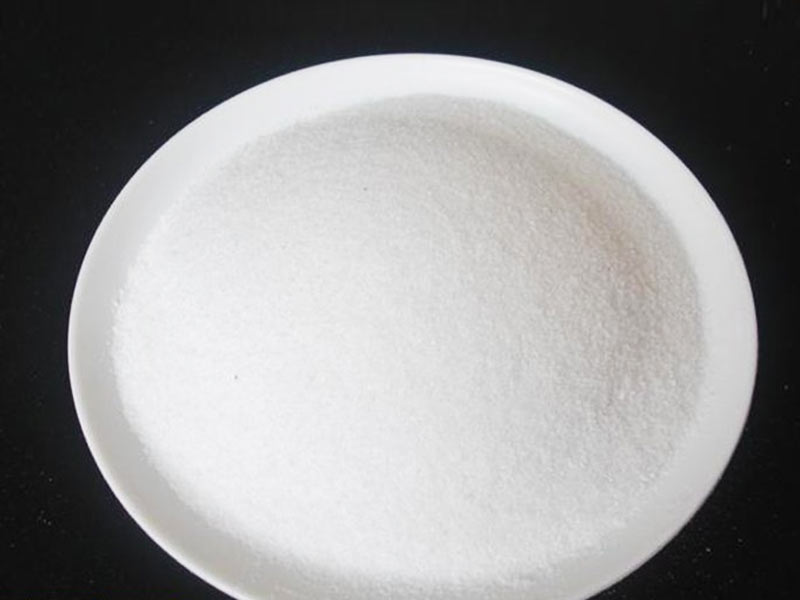
Polyacrylamide exhibits a prolonged dissolution time. The duration of dissolution is closely related to molecular weight, degree of hydrolysis, surrounding environment, operating methods, and stirring speed. Therefore, particular attention must be paid during product selection. The specific grade determines the dosage of the polyacrylamide product. Users recognise that while molecular weight isn't purely a matter of higher being better, high-molecular-weight products (e.g., 18 million molecular weight) offer superior cost-effectiveness compared to low-molecular-weight variants (e.g., 8 million molecular weight). This is because treating equivalent water quality requires double or more of the low-molecular-weight product.
When dissolving polyacrylamide, ensure the solution is prepared at an appropriate temperature. Room-temperature water suffices for dissolution. Temperatures exceeding 40°C may cause degradation, compromising final efficacy. Additionally, stirring speed must not be excessive. A stirring speed of 60-200 revolutions per minute is recommended. Furthermore, only clean water free from impurities should be used for dissolution. Iron utensils must not be employed for this purpose. It is preferable to use enamel, galvanised, aluminium, or plastic containers. Concentration levels should neither be excessively high nor low; it is advisable to adjust the concentration appropriately according to requirements.