As a commonly used water treatment flocculant,
polyaluminium chloride finds application in numerous scenarios. However, many manufacturers encounter frequent issues during production. Why is this the case?
Polyaluminium chloride is a high-molecular-weight inorganic flocculant. Possessing properties such as adsorption, coagulation, and precipitation, it boasts a wide range of applications and is suitable for diverse water bodies. It exhibits rapid hydrolysis, forming large flocs. Its superior dehydration properties ensure safe and reliable water treatment. While its sedimentation efficacy may be slightly inferior to polyacrylamide, its lower cost makes it a preferred choice for many in water treatment processes. Yet, numerous manufacturers encounter significant difficulties during its production. Why is this?
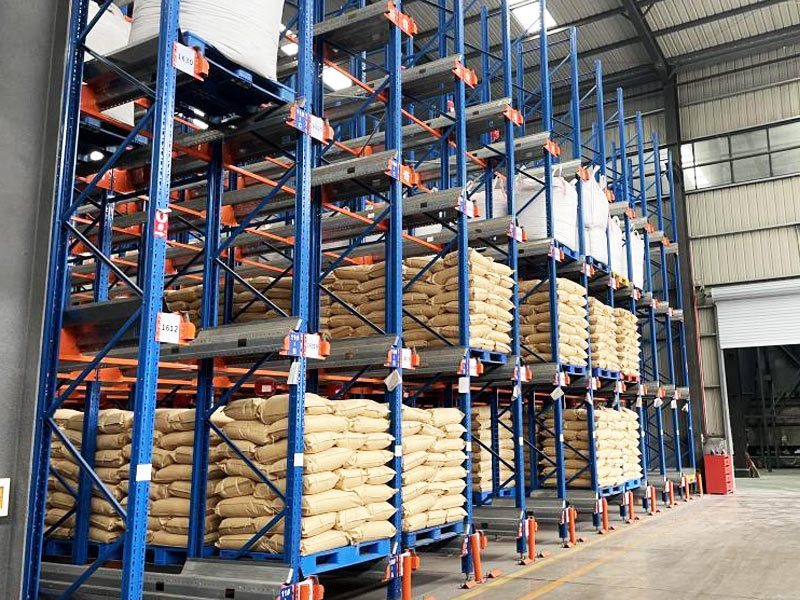
The production of polyaluminium chloride is challenging, with one key issue being product purity. Purity refers to the aluminium oxide content. Generally, higher content indicates greater purity and superior quality. In China, only a handful of enterprises can produce high-purity products. Most manufacturers can only produce relatively low-quality goods on a small scale, This struggles to meet market demand. Another challenge is insoluble matter content. Although national regulations clearly stipulate permissible levels for sold products, most enterprises opt to use minerals as raw materials. Mineral compositions are typically complex and require crushing, which generates significant insoluble matter. This creates considerable production difficulties.
Indeed, faced with the vast array of polyaluminium chloride products on the market, prices vary considerably due to differing aluminium oxide content. Users must exercise discernment to achieve optimal water treatment outcomes. Many assume that products with higher alumina content yield superior results in wastewater treatment compared to those with lower content. This is not necessarily true. While higher alumina content generally improves treatment efficacy, excessively high concentrations are often unnecessary in practical applications. For instance, a 28% alumina product delivers excellent results, whereas using a 30% product would constitute waste. Nevertheless, the benefits of higher-content products cannot be entirely dismissed.
During water treatment, polyaluminium chloride serves as a relatively ideal flocculant. When selecting products, it is advisable to conduct trials based on specific requirements and water quality. Comparing the performance of different product grades facilitates more informed selection.