Generally speaking, when employing anionic
polyacrylamide as a flocculant, it facilitates the bridging of particles to form larger flocs in wastewater treatment. This occurs particularly in water with neutral or alkaline pH, where suspended particles are coarse and concentrations are high. Consequently, it accelerates the settling of particles within the suspension and enhances filtration. Thus, it demonstrates notable efficacy in water treatment processes such as chemical industrial wastewater and effluent treatment, as well as municipal sewage treatment.
It should be noted that anionic polyacrylamide ranks among the most widely utilised amide products. In the papermaking industry, it enhances the retention rate of fillers and pigments, thereby reducing raw material loss and environmental pollution. Acceleration improves paper tear resistance and porosity, thereby enhancing visual and printing properties. It is also applicable in food packaging paper. Can anionic and cationic products be used concurrently during application?
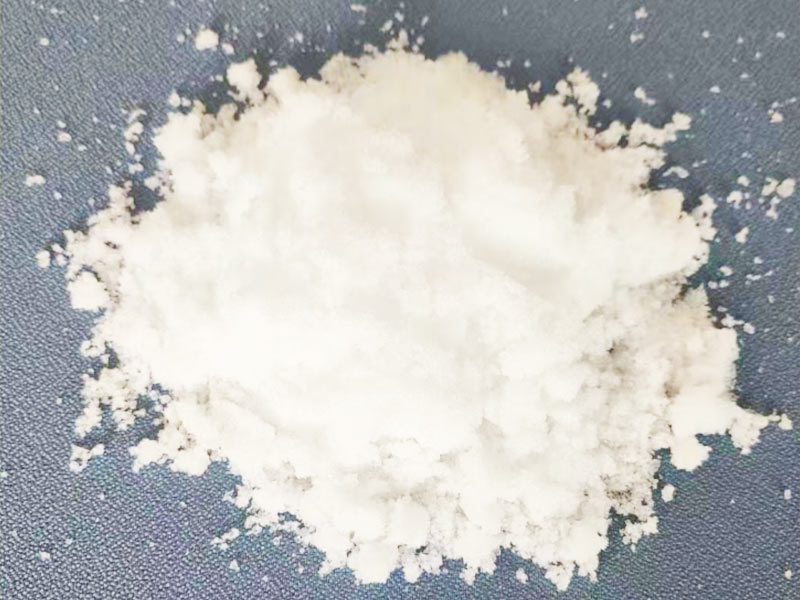
Under normal operational conditions, anionic and cationic products may indeed be employed simultaneously. However, it is crucial to note that they must not be mixed together. Due to the inherent properties of polyacrylamide, combining the two can readily induce mutual flocculation and precipitation. This directly impairs the solubility efficiency and flocculation efficacy of the amide. Furthermore, the amide solution exhibits high viscosity. Consequently, viscous colloidal residues may remain in the tank or dissolution vessel during polyacrylamide aqueous solution preparation, proving difficult to dissolve and clean. Thus, adding an anionic product to residual material before complete clearance of the cationic product can adversely affect performance. The preferable approach is to dissolve cationic and anionic products separately. Regardless of the product used, ensure complete reaction before adding the other to guarantee flocculation efficacy. It is imperative to avoid simultaneous mixing during dissolution and addition.
When selecting anionic polyacrylamide, pay attention to molecular weight and ionisation degree. Generally, higher molecular weight yields superior flocculation performance. Experimental testing based on actual water quality should determine the optimal molecular weight for application. Ionic charge typically ranges between 10% and 60%, primarily facilitating the flocculation and sedimentation of suspended solids. These two parameters constitute critical selection criteria for anionic polyacrylamide; correct selection significantly enhances performance.