When purchasing products, what factors do you prioritise? Many would likely focus on price first, followed by material quality. They assess whether quality correlates with cost. But does this price-driven approach also apply when selecting water treatment chemicals? For
polyacrylamide products, this is not necessarily the case. When buying, we should first consider which product best meets our requirements, with price being a secondary consideration. Why is this?
The current polyacrylamide market is characterised by considerable price volatility. This stems from the fact that while raw materials are relatively standardised and production processes largely uniform, resulting in similar manufacturing costs and modest profit margins, price fluctuations arise from variations in quality. Lower-priced products often achieve this through reduced manufacturing costs or the inclusion of impurities. Such products frequently fail to deliver satisfactory performance, leading to suboptimal water treatment outcomes. While opting for the cheapest option may seem economical, substandard water treatment outcomes ultimately result in losses. Therefore, certain considerations are essential during procurement.
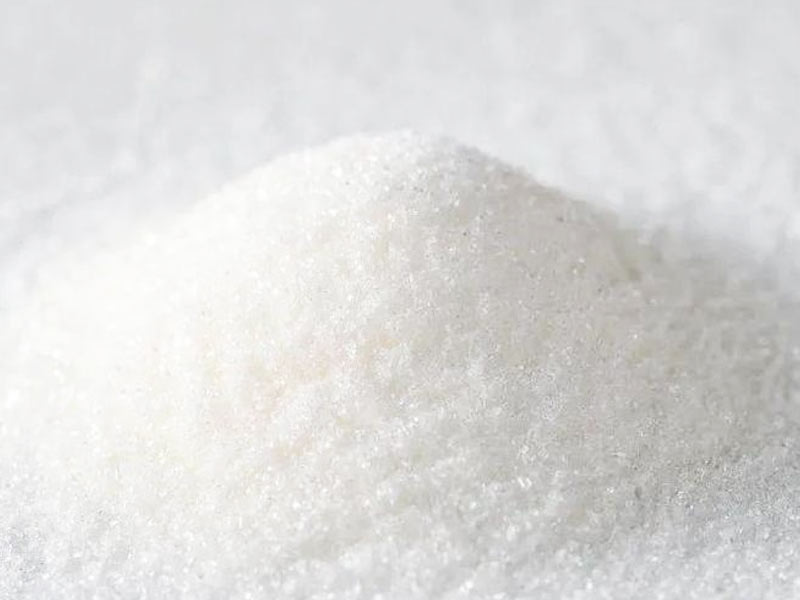
What selection criteria should be prioritised when purchasing polyacrylamide? Primarily, model selection must not be determined solely by price. After selecting a type, experimental testing is required to determine the most suitable variant. Regarding ionisation degree, if a 10% ionisation degree proves effective, there is no need to opt for a 20% variant. Even a slight difference in specification can result in price discrepancies of several thousand yuan. Moreover, as ionisation degree increases, manufacturing costs rise accordingly, affecting pricing. Additionally, the price of amide varies depending on molecular weight. Currently, cationic products command higher market prices, typically around ¥20,000. Application decisions should not be dictated by cost alone. While budgeting is advisable during procurement, actual usage requirements must remain the primary purchasing criterion. A key characteristic of amides is that higher prices do not necessarily equate to superior quality, nor do lower prices imply inferiority. Suitability remains the optimal selection principle.
When procuring polyacrylamide, note that molecular weights vary considerably, ranging from several million to tens of millions. Crucially, molecular weight does not decrease due to blending effects. Always consult specialised manufacturers for purchases to avoid being misled.