When selecting water treatment chemicals, we typically face the issue of model selection. Once the model is chosen, the next consideration is usage. Take
polyacrylamide products, for instance. We often opt for solid formulations during application, necessitating prior dissolution. This raises the question: can polyacrylamide be dissolved using hot water?
The debate over whether polyacrylamide can be dissolved in hot water is quite contentious. Some argue it is possible, while others maintain it is not. To be precise, polyacrylamide can indeed be dissolved in hot water, but careful attention must be paid to the water temperature during dissolution. Moderately increasing the temperature can accelerate dissolution, but the water temperature should be maintained below 45°C. Excessively high temperatures may cause the product to degrade and become ineffective, losing its intended function. However, using hot water for dissolution is more commonly seen in laboratory settings. On-site conditions rarely permit water heating, and the practical significance and utility are limited. Using clean, room-temperature tap water for dissolution is sufficient. During dissolution, maintain a concentration of approximately 0.1-0.3%. Stirring for 40-60 minutes will yield a viscous solution. While hot water is often employed for rapid dissolution, most commercially available products lack heat resistance. Therefore, regardless of circumstances, vigilant monitoring of water temperature is essential to prevent product degradation and ensure effective performance.
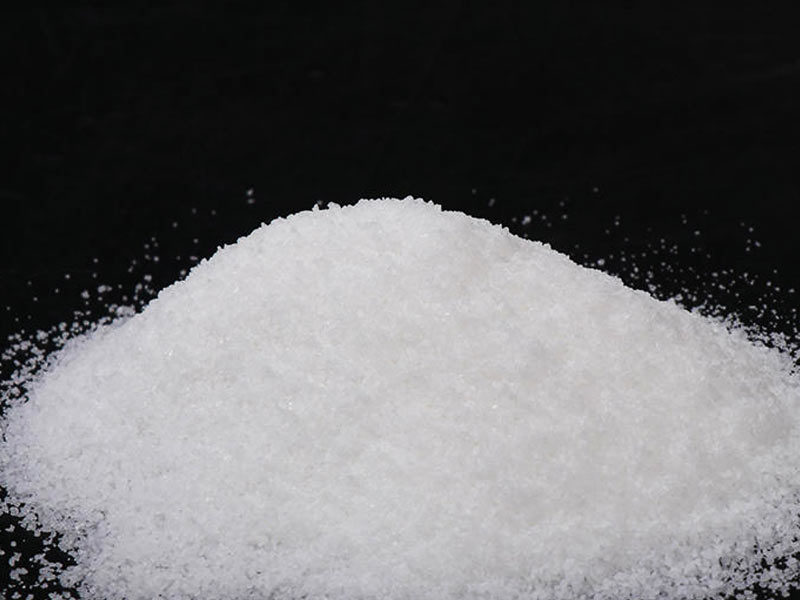
What precautions should be taken when using polyacrylamide products? During dosing, it is advisable to add the product in batches at a slow rate. First, introduce a portion to mix with water, then after a minute or two, add another portion of the chemical to mix with water. Generally, it is preferable to add 60% of the quantity first, followed by the remaining 40%. When preparing the solution, it is advisable to reduce the concentration. Under normal circumstances, anionic products should be prepared at a concentration of 0.1%, while cationic products are best prepared at 0.2%. If the preparation tank is relatively small, a higher concentration may be used, provided it is diluted during application. Finally, attention must be paid to the pH level of the water to be treated. When the pH is significantly high or low, it should be adjusted first. When combining with inorganic products, it is preferable to add the inorganic flocculant first, followed by the amide product. Note that higher molecular weight does not necessarily equate to better performance for amide products, nor does increased dosage guarantee superior results. Experimental testing tailored to the specific characteristics of the water quality is essential to determine the optimal dosage ratio and quantity. This approach ensures effective wastewater treatment while minimising chemical wastage and reducing operational costs.