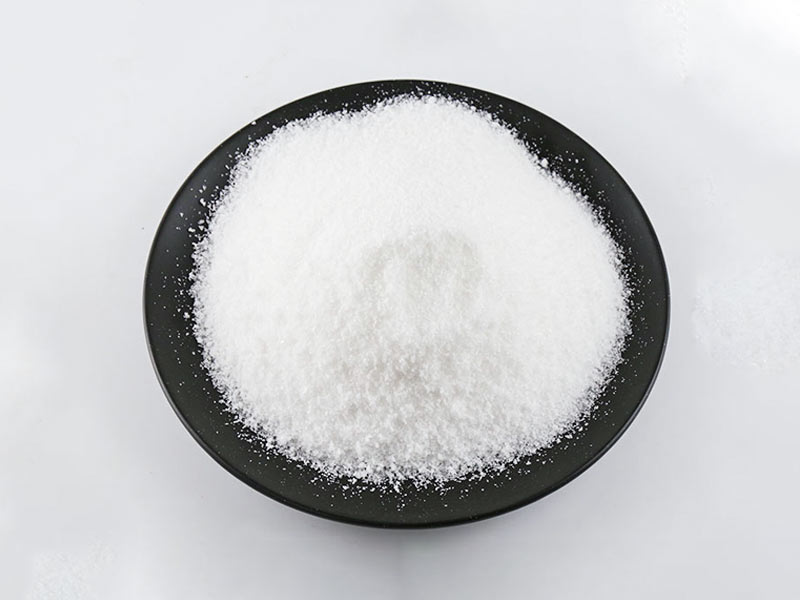
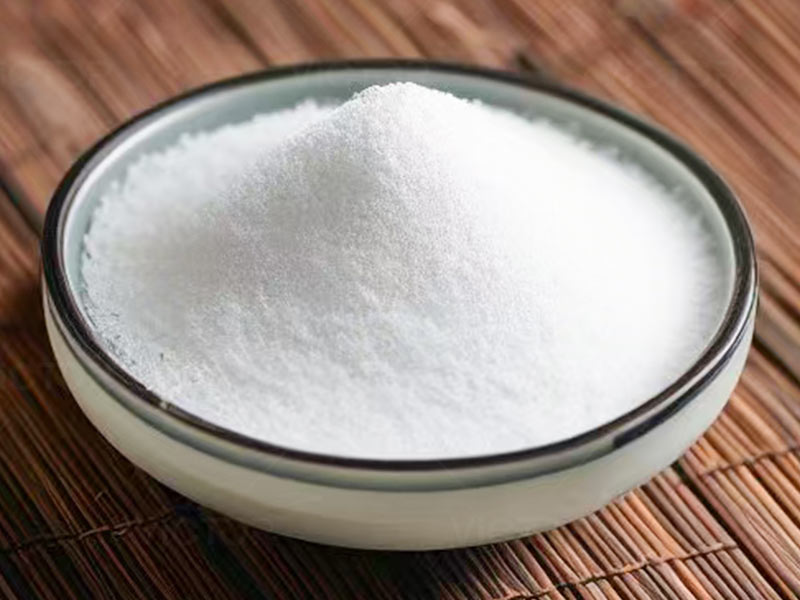
Polyacrylamide, as a widely used and highly effective water treatment chemical, is categorised into anionic, cationic, non-ionic, and amphoteric types. Different grades require varying dosages and application methods. Moreover, usage and dosage also differ across industries. Today, we shall delve into the specific application methods and dosage requirements for anionic polyacrylamide products.
First, regarding dosage. This varies significantly depending on the type of wastewater being treated. For instance, in coal washing applications, the dosage of anionic polyacrylamide can be set between 30-110 kilograms. For chemical industry wastewater, the dosage can be determined within the range of 50-120 kilograms. However, when used in the dyeing or papermaking industries, wastewater presents significant treatment challenges. Higher dosages are required, typically ranging from 100 to 300 kilograms, with the exact amount selected based on specific conditions. For ordinary industrial water or electroplating wastewater treatment, the dosage should not exceed 50 kilograms.
When employing anionic polyacrylamide as a sludge dewatering agent, ensure thorough dissolution prior to application. Dissolve the product into a gel-like liquid before introducing it into the sludge for treatment. The standard dosage ratio ranges between 0.1% and 0.2%, though this concentration must be determined based on the sludge's specific density. The dosage and suitable product grade can be determined experimentally. Treatment efficacy varies depending on the specific sludge type, chemical formulation, equipment configuration, and operational management standards.
It should be noted that while anionic polyacrylamide offers excellent performance and convenience, it must be dissolved prior to use. It is recommended to employ recycled water for dissolution. Furthermore, it is preferable to prepare the solution immediately before use. If the solution remains unused for extended periods after preparation, degradation may occur, ultimately affecting efficacy. Even at high concentrations, storage should not exceed seven days. Furthermore, during preparation, transfer, or storage, avoid contamination with iron ions. Equipment used in contact with the solution should preferably not be made of iron. Containers manufactured from stainless steel, plastic, or carbon steel with a resin-coated surface are relatively suitable, as they will not cause degradation.