With the rapid advancement of industry, the petrochemical sector and video production industry have experienced vigorous growth. This has consequently led to a significant increase in oily wastewater discharged from industrial processes. It is reported that the sources of oily wastewater are extensive. For instance, such wastewater is generated during steel smelting, industrial production, and petroleum extraction. The complex composition of oily wastewater has rendered it one of the most challenging types of effluent to treat within the water treatment industry.
Oily wastewater poses significant hazards to human health. Should our daily drinking water become contaminated by such effluent, it not only risks transmitting diseases but may also cause food poisoning, presenting grave dangers. Furthermore, oily water contains carcinogenic substances. Consumption of contaminated water may elevate cancer incidence rates. Additionally, discharging oily wastewater into rivers causes oil to accumulate on the water surface. This depletes oxygen levels, preventing aquatic plants from thriving. Beyond damaging water bodies, this also diminishes the value of water resources.
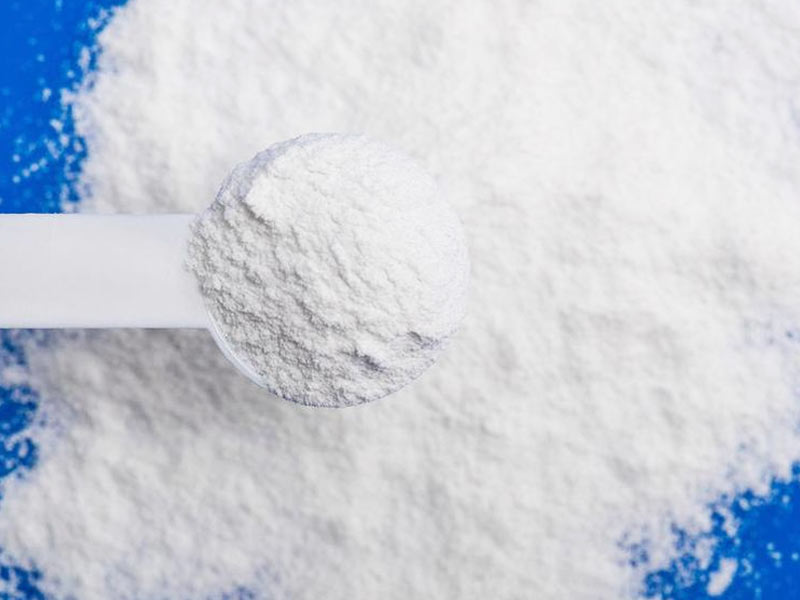
How should we approach the treatment of oily wastewater? To achieve effective results in oily wastewater treatment, it is essential to analyse the source of the contamination. Identifying the composition and origin of the oils enables the development of a tailored treatment plan suited to the enterprise's specific circumstances. Polyacrylamide serves as an effective water treatment chemical for oil-contaminated wastewater. Its advanced process primarily involves oil-water separation. During the flocculation and sedimentation stage, precise dosing of the chemical ensures effective flocculation. This prevents clogging issues that may occur during oil-containing wastewater treatment. By the time the wastewater enters the secondary treatment stage, a significant amount of suspended solids (SS) and oil have been removed. At this point, water quality testing can be conducted. If the treated water still fails to meet standards, further filtration using activated carbon or quartz sand can be employed to ensure the discharged wastewater meets regulatory requirements.
Currently, treating wastewater remains a complex and challenging task. Therefore, when processing oily wastewater, it is essential to conduct a detailed analysis of the wastewater source and composition. Continuously optimise the water treatment process and techniques for oily wastewater. Employ suitable water treatment equipment and effective water treatment chemicals, such as
polyacrylamide, to safeguard the treatment of oily wastewater.