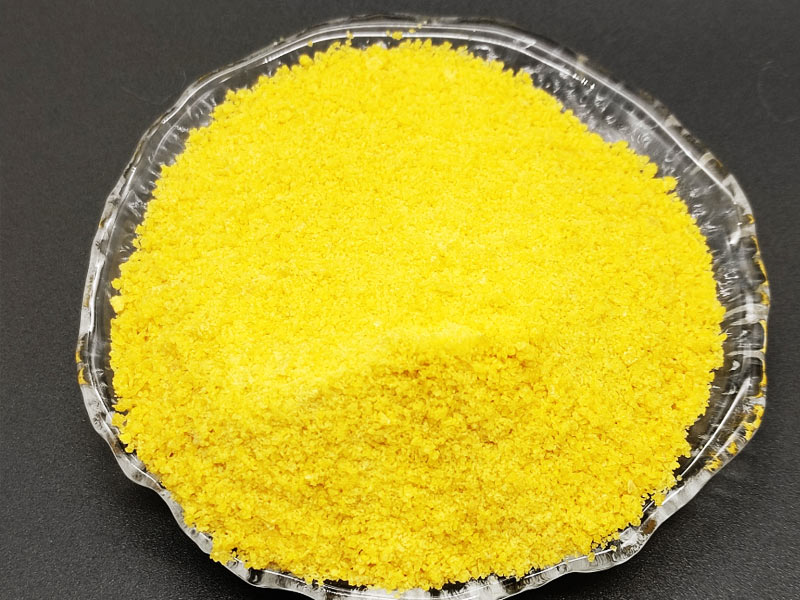
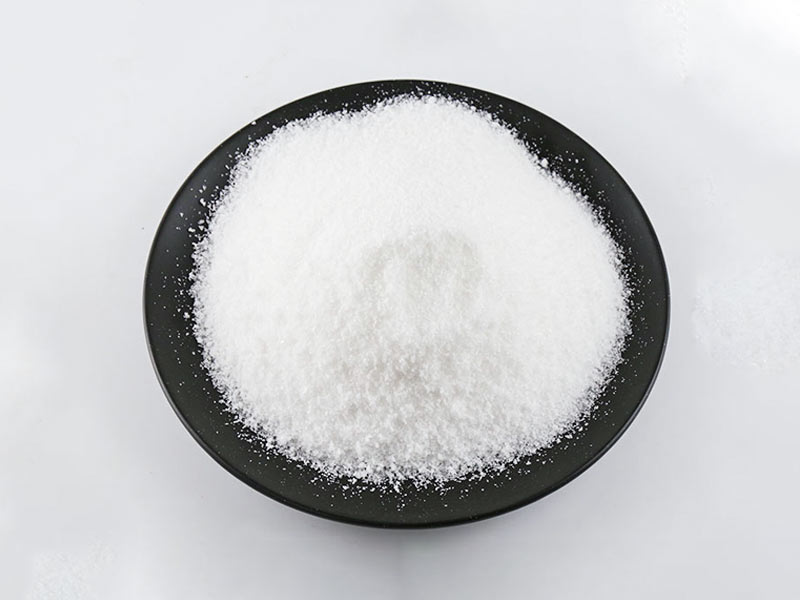
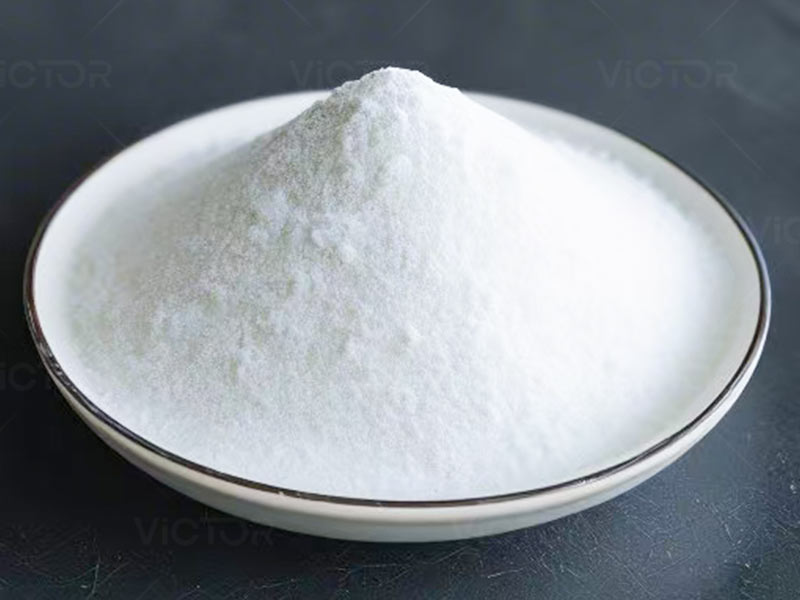
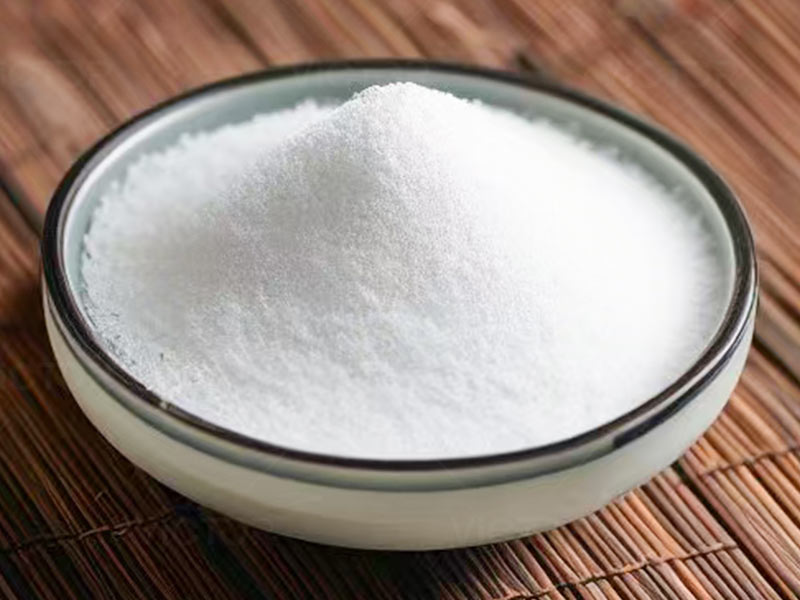
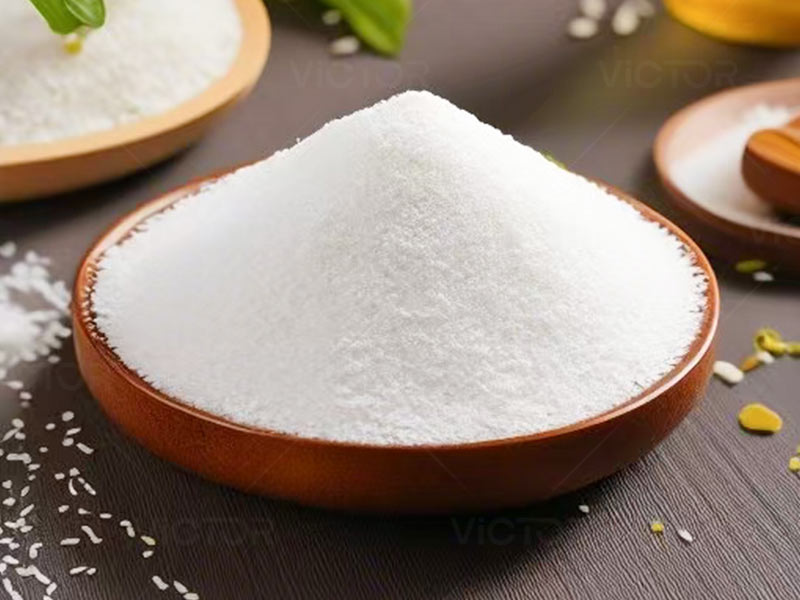
The use of chemical agents to treat wastewater during water treatment has become a widely adopted method. Due to their broad applicability, straightforward processing, and low disposal costs, water purification chemicals remain prevalent in the treatment of drinking water, domestic sewage, and industrial effluents. Numerous such agents exist for water treatment, including
polyaluminium chloride, polyacrylamide, and polymeric ferric sulphate. Today we shall focus on polyaluminium chloride.
Polyaluminium chloride is a high-molecular-weight inorganic flocculant. Its initial application dates back to the 1960s. Following decades of development, the product technology has now reached a high level of maturity. It has become one of the best-selling flocculants on the market due to its rapid floc formation and excellent sedimentation properties during use. It demonstrates particularly strong adaptability to factors such as water temperature, pH value, turbidity, and organic matter content. It enjoys widespread popularity among users. With the advancement and deepening of science and technology, production techniques have undergone leaps and bounds.
Indeed, the earliest polyaluminium chloride was produced using aluminium chips, aluminium ash, and aluminium slag as raw materials. Gradually, aluminium hydroxide became the primary feedstock. Aluminium hydroxide reacts with hydrochloric acid and water in specific proportions under suitable temperature and pressure conditions. After maturation, the polyaluminium chloride product is obtained. Alternatively, aluminium chloride is used as raw material. Crystalline aluminium chloride undergoes pyrolysis at specific temperatures to decompose into hydrogen chloride and water. This mixture is then polymerised into powdered clinker, which is stirred with a measured quantity of water. After drying, a solid product is obtained. Furthermore, aluminium-bearing minerals and fly ash are also employed as raw materials. However, each raw material presents distinct challenges during production.
Product purity serves as a crucial indicator of polyaluminium chloride quality. Generally, higher content signifies greater purity and superior quality. Within the polyaluminium chloride industry, while a minority of enterprises produce high-grade products, the majority manufacture standard-grade materials using bauxite, calcium aluminate, and by-product hydrochloric acid as raw materials. These often exhibit low alumina content and high impurity levels, making high-purity products difficult to source for trial production requirements. Another concern is insoluble matter. As mineral ores serve as raw materials, aluminium oxide exhibits high leaching rates, making insoluble components difficult to precipitate. Reducing insoluble matter is crucial in water treatment processes. Additionally, addressing issues such as basicity and the removal of heavy metal contaminants are vital considerations throughout water treatment operations.