Nowadays, water in most cities undergoes treatment with chemical agents. When using this treated water, one might wonder whether it carries an odour. In truth, if one is sensitive to smells, many waters possess a distinct scent. Given this, when purchasing treatment chemicals, it is essential to analyse what causes the odour after purification. Only then can the issue be addressed at its root.
In water treatment, we are familiar with
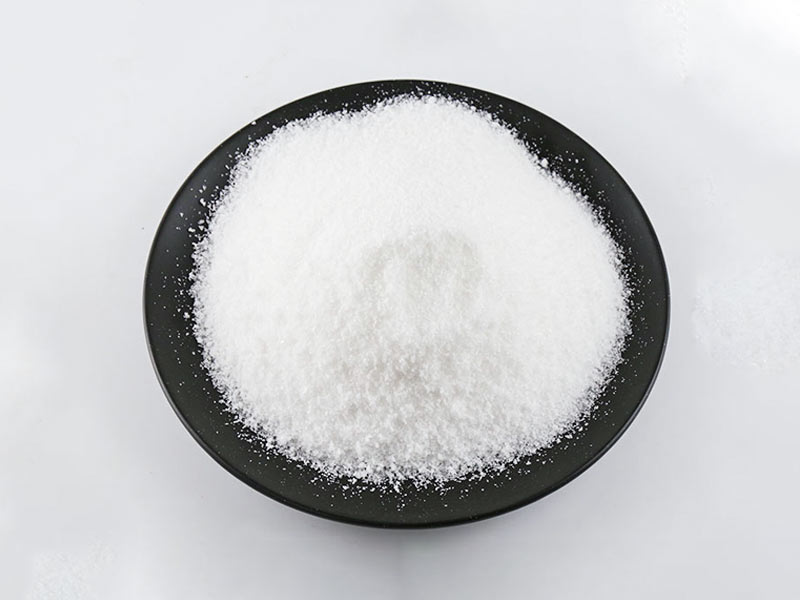
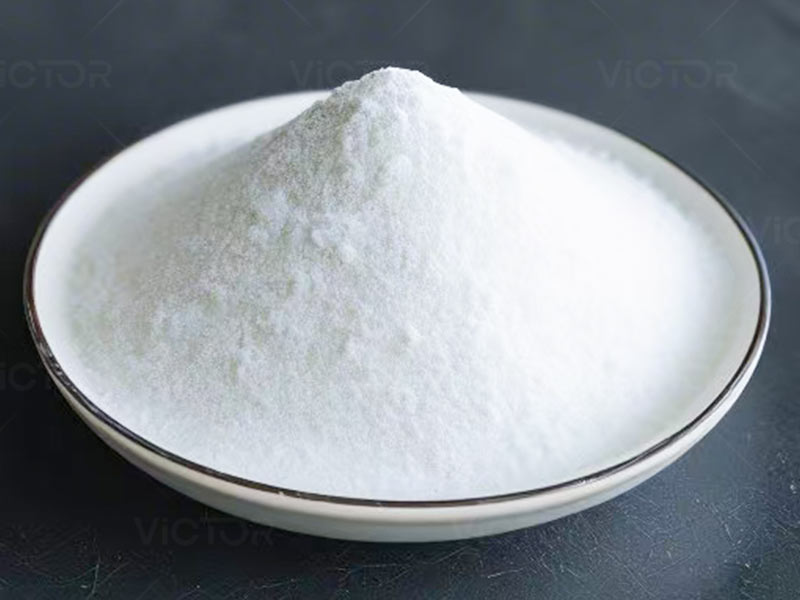
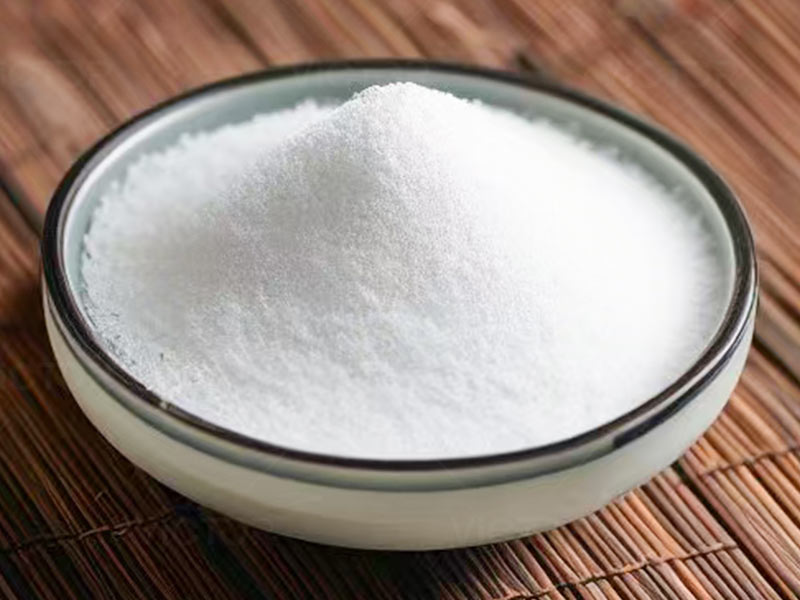
polyaluminium chloride as a purification product. This odourless treatment agent effectively removes harmful metals from water while also eliminating odours and bacteria. It does not introduce odours during the treatment process. However, if a small amount of hydrogen is added for disinfection, chloric acid may form. This acidic, irritant substance can cause unpleasant odours in the water. In such cases, adding activated carbon can help mitigate this issue. This enhances the quality of drinking water.
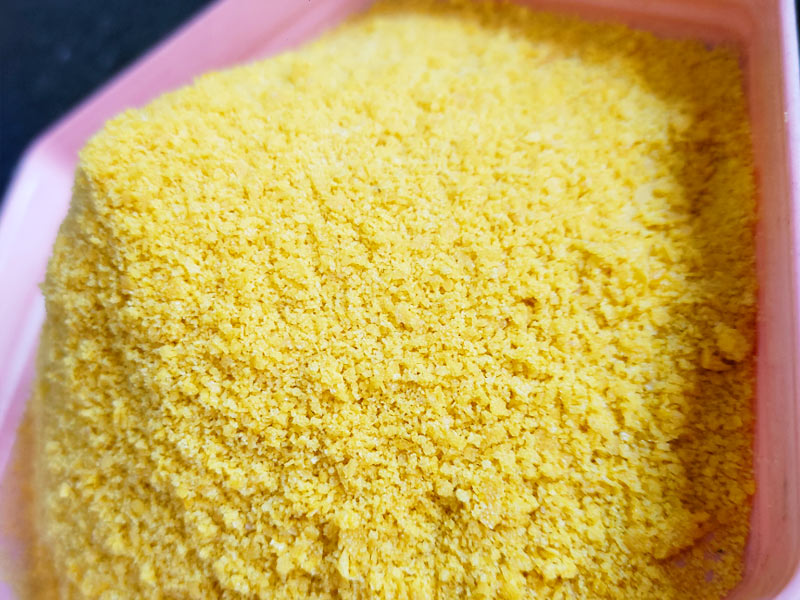
When using polyaluminium chloride, solid formulations are typically employed. These are convenient for storage and transportation. However, care must be taken not to add the product directly to water; it requires dissolution first. During dissolution, attention must be paid to the product's concentration. Products with 25% and 30% concentrations require different quantities to treat the same volume of water. How should polyaluminium chloride be dissolved? Often, the dissolution ratio is 5 grams of product per kilogram of water. It is preferable to use tap water or purified water for dissolution. When dissolved under stirring conditions, the dissolution time is 5-10 minutes. If left to settle, dissolution takes approximately 40-60 minutes. Dosage is applied as a specific percentage. Dilution enhances solubility in wastewater, thereby improving efficacy.
Beyond dissolution, dosage is crucial. Poly Aluminium Chloride generally performs optimally within a pH range of 5–9. It may be added as a concentrated solution or diluted 10-fold prior to application. Dilution facilitates uniform mixing and enhances efficacy. Note that prepared solutions should ideally be utilised within 4–8 hours.