During our water purification processes, we observe that water treatment products come in considerable variety, differing in composition and formulation. Take
polyaluminium chloride products, for instance: employing different grades yields distinct outcomes in wastewater treatment efficacy. How, then, can optimal performance be achieved?
Generally, it is advisable to follow a four-step procedure during application. Firstly, conduct preliminary testing based on the characteristics of the raw water. For ease of use, prepare a solution at a concentration of 2% to 5%. Subsequently, dilute the solution with water prior to dosing. Solutions with concentrations below 1% are prone to hydrolysis, which diminishes efficacy. Note that higher concentrations do not result in wastage. The operational phase follows. During operation, continuously monitor and adjust the dosage. If the sedimentation tank exhibits sparse flocculation and high turbidity, the dosage is likely insufficient and should be increased appropriately. Conversely, if significant settling occurs alongside high residual turbidity, the dosage is excessive and should be reduced.
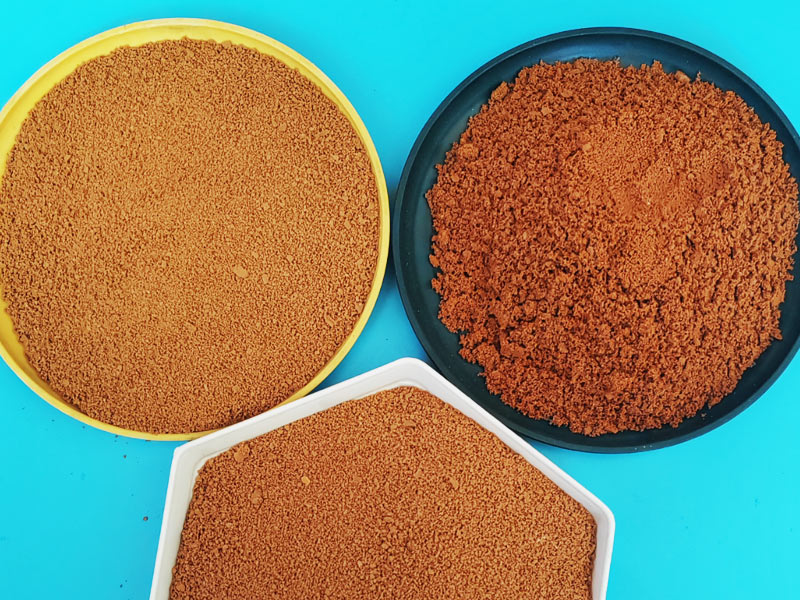
Beyond operational procedures, product quality significantly impacts performance. Visually, polyaluminium chloride presents as a pale yellow or brown powder or granules. It undergoes hydrolysis under raw water pH conditions, with the process involving coagulation, adsorption, and sedimentation to achieve water purification. No additional water treatment aids are required during use. Flocculation occurs rapidly, forming large flocs. It exhibits high reactivity, demonstrating particularly pronounced purification effects on highly turbid water. It also possesses a broader pH tolerance range and can reduce the pH of raw water without causing corrosion to equipment. However, the most direct method to assess product quality is observing the intensity of its reaction in water. During purification, water treatment agents typically undergo vigorous reactions with the raw water. These chemical interactions are integral to achieving effective water purification.
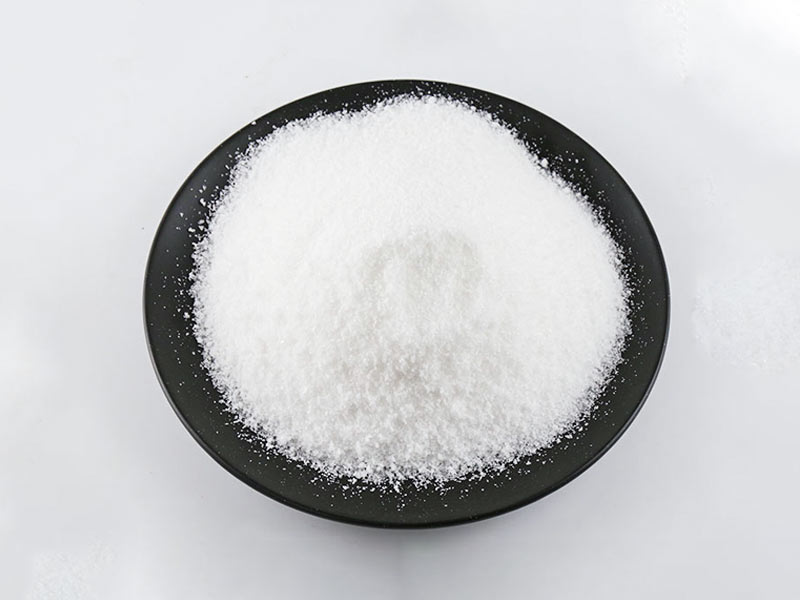
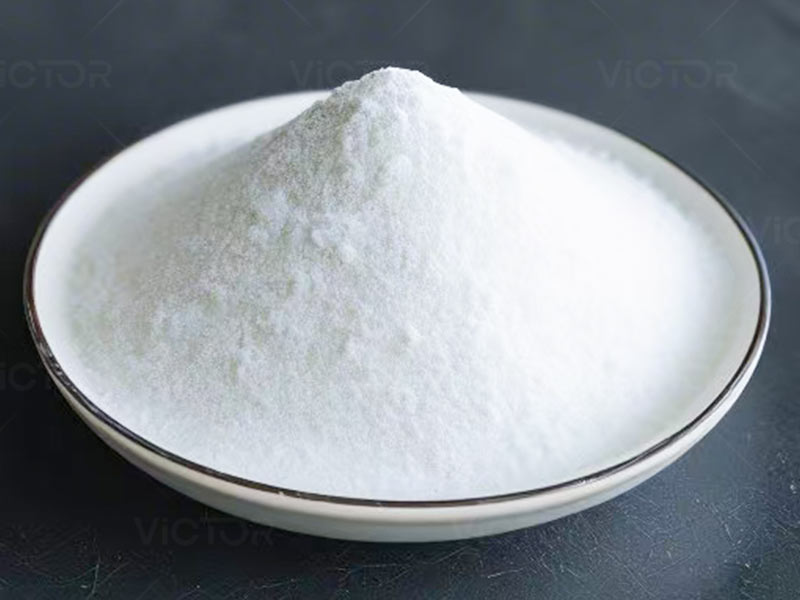
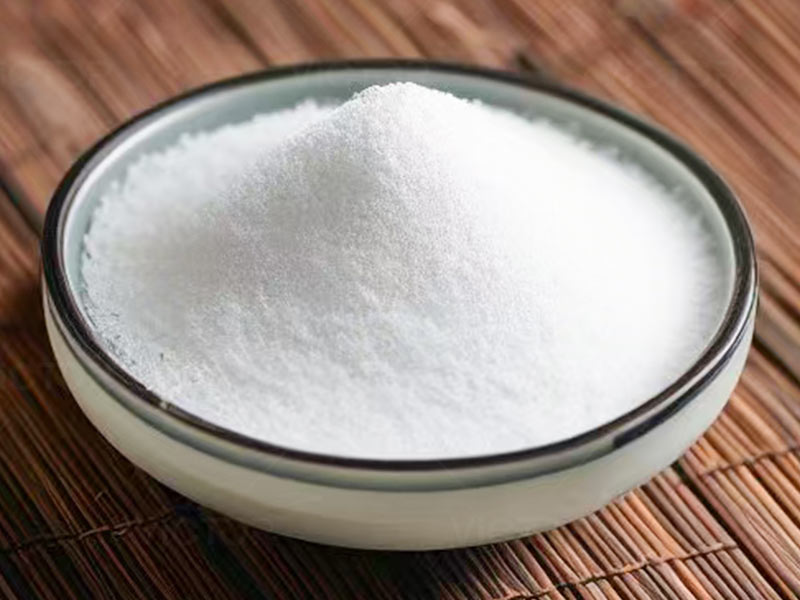
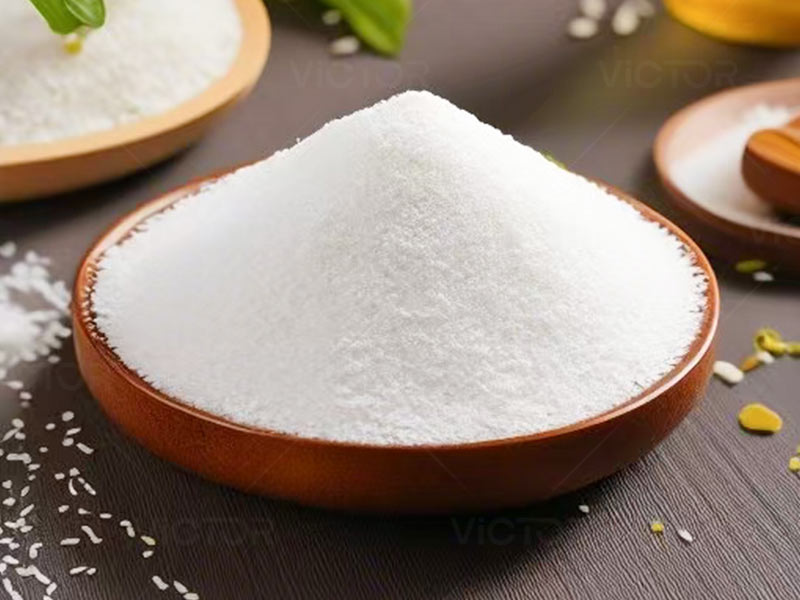
Additionally, the quality of polyaluminium chloride can be discerned by its colour. Colour directly reflects aluminium oxide content: white products contain over 30% aluminium oxide and are professionally designated for drinking water treatment. Yellow products contain approximately 28% aluminium oxide and represent the most widely used and frequently applied agent on the market. They offer favourable pricing and excellent flocculation effects, making them a sound choice for industrial water supply, circulating cooling water, and wastewater treatment alike.