Although
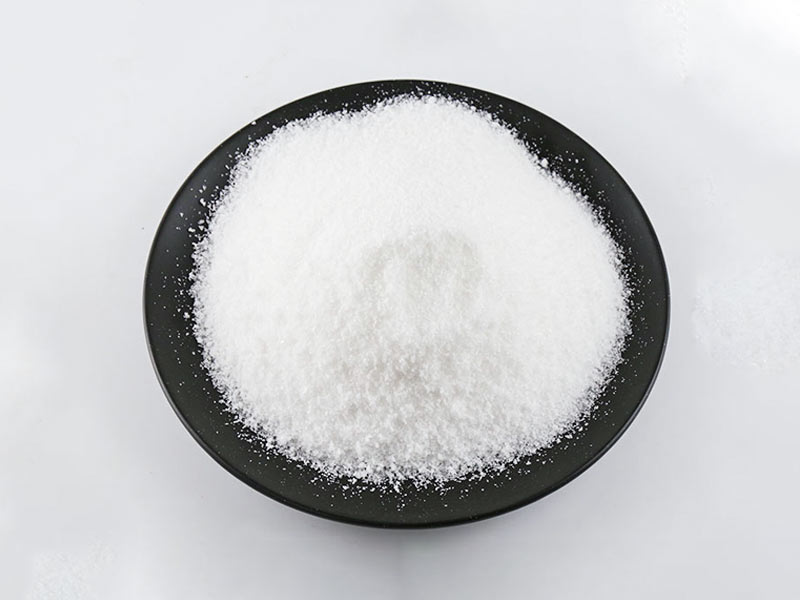
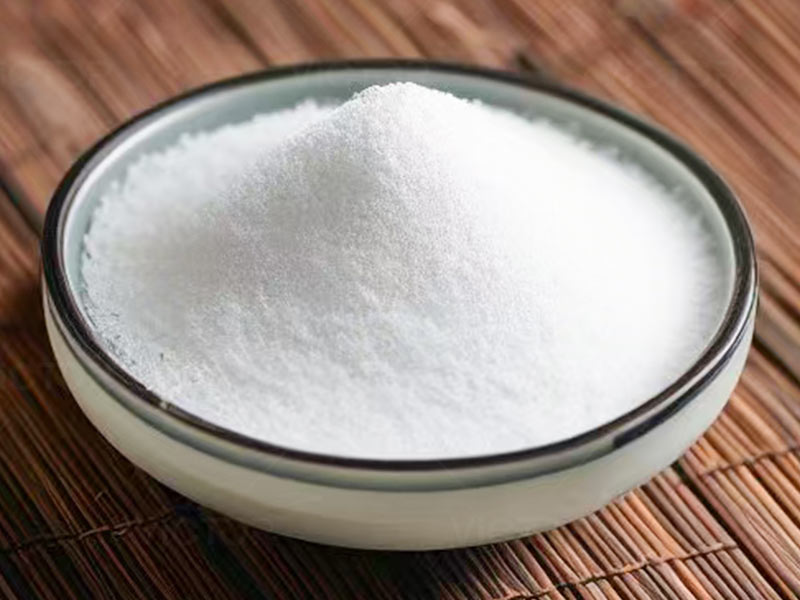
polyaluminium chloride serves as an effective water treatment flocculant, its relatively high alumina content and comparatively dry particles render it prone to moisture absorption. Consequently, many express concern regarding its susceptibility to hydration.
Generally, when polyaluminium chloride products are affected by moisture, their efficacy diminishes, leading to considerable inconvenience. Once clumping occurs, breaking it down proves challenging. Nevertheless, excessive concern is unnecessary. The material can be pulverised during use. For storage, maintain ventilation and dryness to prevent moisture absorption. Store in a cool, dry warehouse, shielded from sunlight and rain. Crucially, never store alongside flammable, corrosive, or toxic substances. Typically, solid polyaluminium chloride has a shelf life of 2-3 years, while liquid formulations last approximately one year. What should be done if moisture is present?
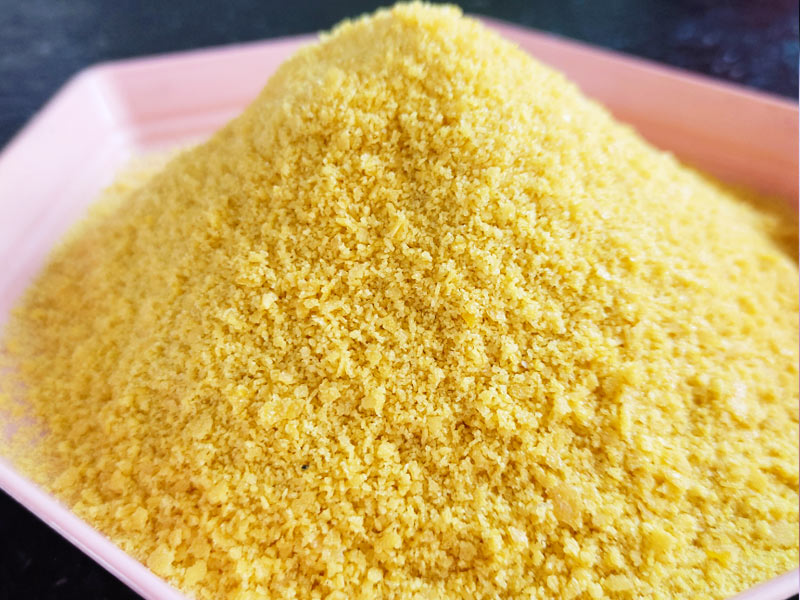
Should polyaluminium chloride become damp, do not discard it as unusable. Whilst moisture may affect performance, alternative solutions exist. For dampened material, conduct trials with reduced quantities to determine dosage. When treating water with dampened product, increase dosage accordingly. Thoroughly agitate the solution to observe flocculation behaviour. Should flocs form rapidly with effective coagulation, appropriate dosage increases may be applied. Dilution is recommended at 10%-15% concentration, concurrently extending the half-reduction time. This approach minimises economic loss while maintaining consistent treatment efficacy.
When employing polyaluminium chloride products, note that dosage varies across different wastewater streams. Polyaluminium demonstrates marked efficacy in treating diverse industrial effluents—including dyeing wastewater, leather processing effluent, fluoride-containing waste, heavy metal-laden waste, and petroleum-based waste—though dosage requirements differ per stream. For domestic sewage and industrial effluent, a dosage of approximately 30 grams per tonne of water is recommended. When treating paper mill effluent, processing should be based on low-turbidity water quality. Should treatment efficacy prove inadequate, dosage may be moderately increased. Regardless of water quality, preliminary testing is advised prior to treatment to determine the optimal dosage.