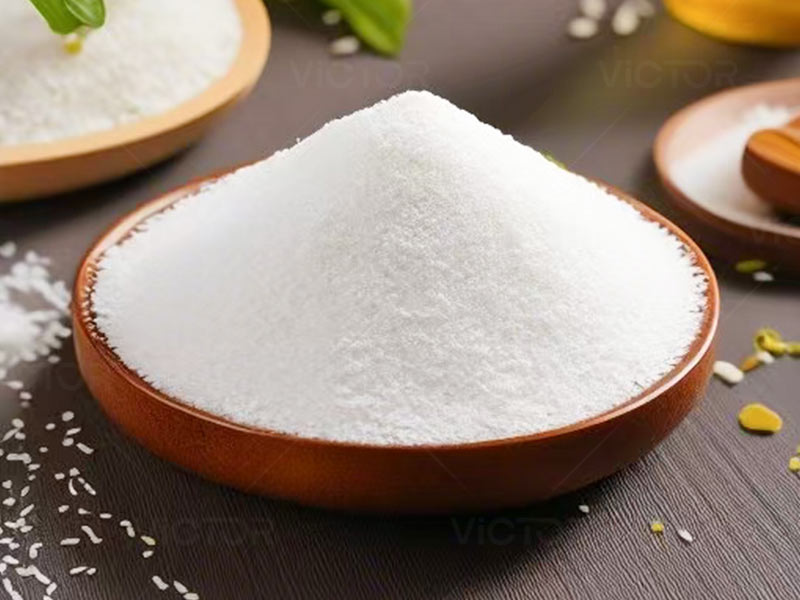
Polyacrylamide treatment of leather wastewater: Leather production generates substantial volumes of effluent characterised by high concentration, strong alkalinity, elevated oxygen demand, and significant suspended solids. The processing also involves the addition of numerous chemical agents. Consequently, the wastewater exhibits considerable complexity. It contains a diverse mixture of organic and inorganic compounds, including acids, alkalis, dyes, sulphides, sugars, fats, proteins, hair fibres, skin flakes, and suspended solids. The most significant pollutants are Cr³⁺, S²⁻, and suspended particulate matter. This renders leather mill wastewater treatment particularly challenging, ranking among the most complex wastewater streams in the water purification industry.
Among the water treatment chemicals commonly employed for leather factory wastewater, anionic polyacrylamide stands out for its excellent purification efficacy, rapid action, and favourable cost-effectiveness. This compound can remove 80-95% of suspended solids and approximately 90% of colloidal matter from wastewater. It also possesses bactericidal properties, delivering markedly effective purification results.
During leather production, the raw hides used vary, necessitating different processing techniques that yield distinct finished products. Consequently, the wastewater generated is often highly complex, with varying levels of chemical oxygen demand (COD). Surfactants are added during leather manufacturing. When treated through aerobic activated carbon processes, the wastewater produces abundant bubbles and foam, leading to the escape of activated sludge along with the foam. Consequently, adjustments must be made according to the specific wastewater conditions.
Polyacrylamide manufacturers recommend conducting small-scale trials with wastewater samples prior to using polyacrylamide for water purification. This determines the appropriate water solubility concentration and PAM dosage. Henan VICTOR Water Purification specialises in manufacturing water treatment chemicals. Our core products include polyacrylamide, anionic and cationic polyacrylamide, non-ionic polyacrylamide, polyaluminium chloride, ferric polymer sulphate, activated carbon, and more. We welcome enquiries from both new and existing clients!