Polyacrylamide finds application across a broad spectrum of industries. Today we shall explore one such application: the role of polyacrylamide flocculants in enhancing concrete properties.
Practical experience demonstrates that incorporating trace amounts of organic polymeric compounds—commonly polyacrylamide—into cementitious concrete yields superior performance characteristics. Consequently, this distinctive property of PAM has emerged as a new benchmark within its application sectors.
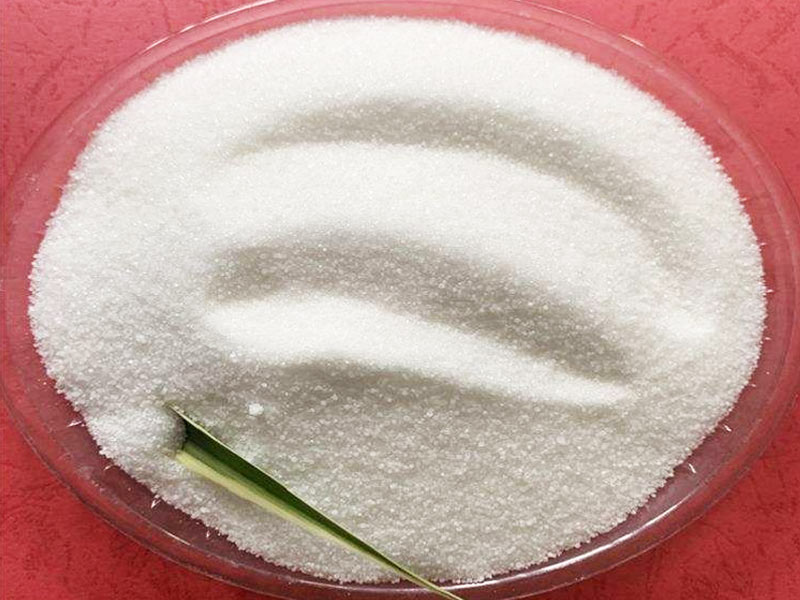
The effects of polyacrylamide on concrete include: - Enhanced high flexural strength - Improved bonding capacity - Increased adhesive toughness - Superior abrasion resistance When employed as a flocculant in cement concrete, particularly for bridge deck overlays, it significantly reduces fracture rates. It also exhibits excellent water retention, It also improves density and permeability. This is because anionic polyacrylamide possesses high viscosity and excellent water retention properties. Consequently, it is also employed as a thickening agent. It is widely used in concrete and mortar to enhance bonding strength. When PAM is utilised, whether anionic or cationic, it increases viscosity and smoothness – a unique advantage of polyacrylamide.