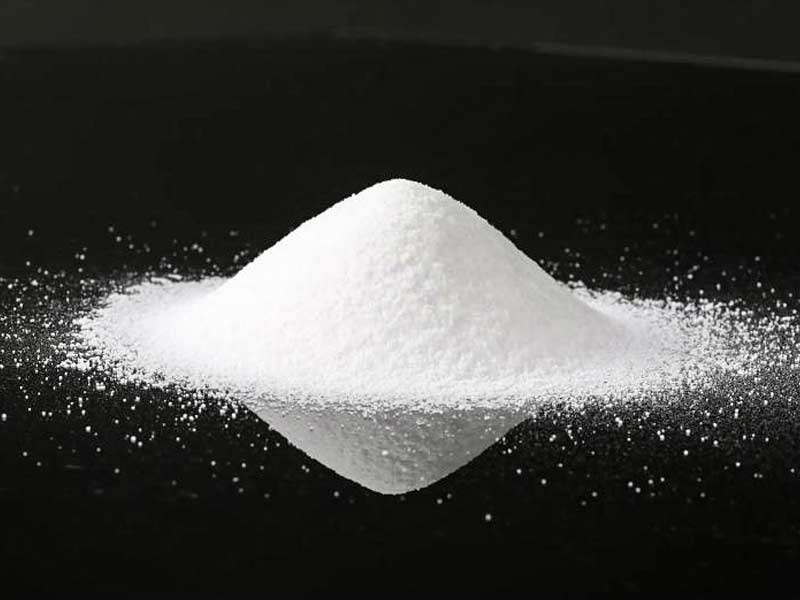
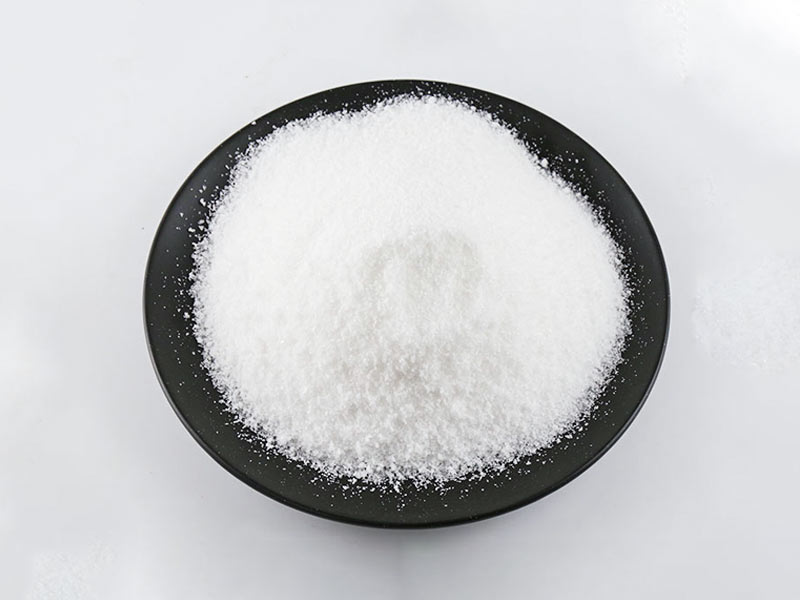
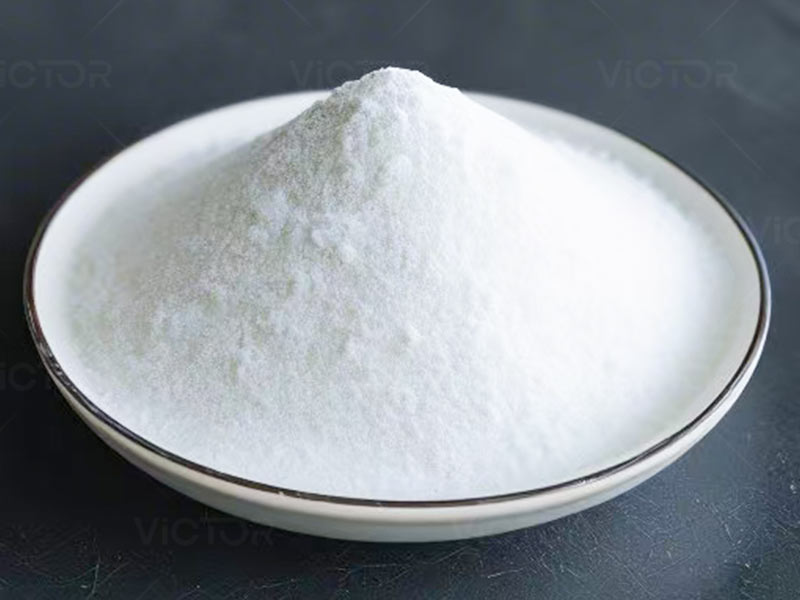
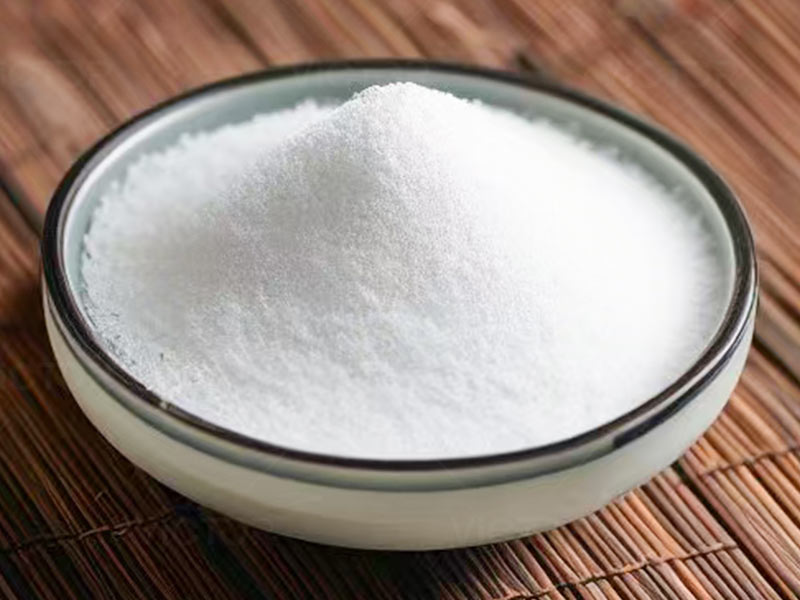
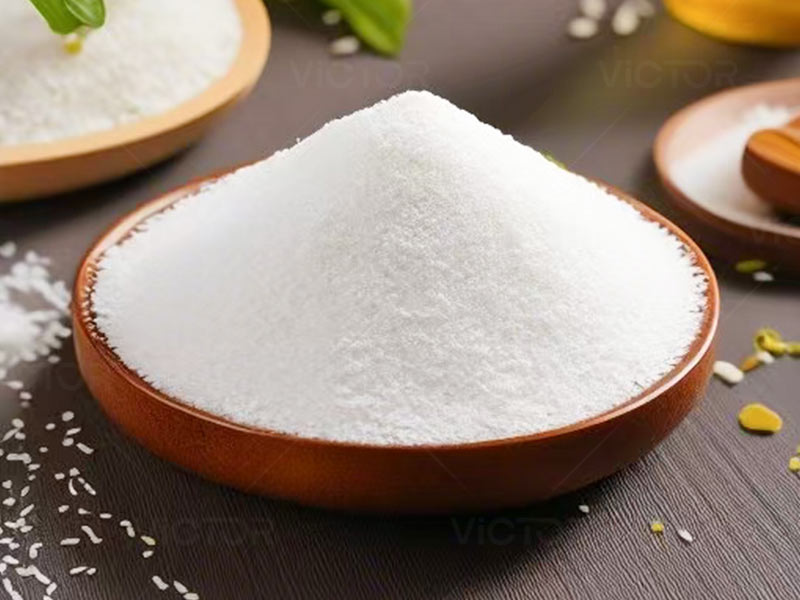
Polyacrylamide is a widely used polymeric flocculant in the domestic water purification market, frequently employed as a coagulant aid. The raw material for polyacrylamide is derived from polyacrylonitrile. Under specific conditions, polyacrylonitrile undergoes hydrolysis to form acrylamide, which is subsequently polymerised via suspension polymerisation to yield polyacrylamide. Consequently, polyacrylamide is termed a water-soluble resin, existing in two forms: solid and liquid. In its liquid state, it exhibits a viscous consistency.
Anionic polyacrylamide possesses amide groups. It adheres to the surfaces of silt particles via hydrogen bonding. Anionic polyacrylamide features extended molecular chains. Its numerous long chains create a vast surface area, thereby achieving excellent flocculation effects. Direct molecular chain bridging forms robust flocs, achieving water purification.
Molecular weight of anionic polyacrylamide: For industrial wastewater treatment applications, molecular weights range from 6 million to 18 million. Common misconception: Higher molecular weight does not necessarily equate to superior wastewater treatment efficacy. For water treatment applications, molecular weights between 4 million and 18 million are optimal. When used as a thickening agent, molecular weights ranging from 18 million to 25 million are preferred. The specific polyacrylamide type must be selected based on the various parameters of the wastewater in question.
Another crucial parameter for anionic polyacrylamide is its degree of hydrolysis. Currently, the market categorises products into four specifications based on this: Medium-hydrolysed anionic polyacrylamide (degree of hydrolysis: 23%-27%); Medium-low hydrolysed anionic polyacrylamide (degree of hydrolysis: 17%-19%); Low-hydrolysed anionic polyacrylamide, hydrolysed degree: 12%-15%;
High-hydrolysed anionic polyacrylamide, hydrolysed degree: approximately 37%.
This concludes today's introduction by VICTOR's editorial team on the molecular weight and hydrolysed degree of cationic polyacrylamide. Please credit the source when reposting. Thank you.