Polyacrylamide is a commonly employed chemical agent in wastewater treatment. It demonstrates excellent purification efficacy across diverse sewage streams. Acidic wastewater frequently arises in industries such as beverage production, food processing, canning, and desulphurisation. For such acidic effluents, polyacrylamide flocculants must be utilised. When addressing acidic wastewater treatment, how should we proceed with agent selection? Food processing, canning, and desulphurisation industries generate acidic effluents. For such acidic wastewater, polyacrylamide flocculants are required. When addressing acidic wastewater treatment, how should one select the appropriate product? The answer is: non-ionic polyacrylamide.
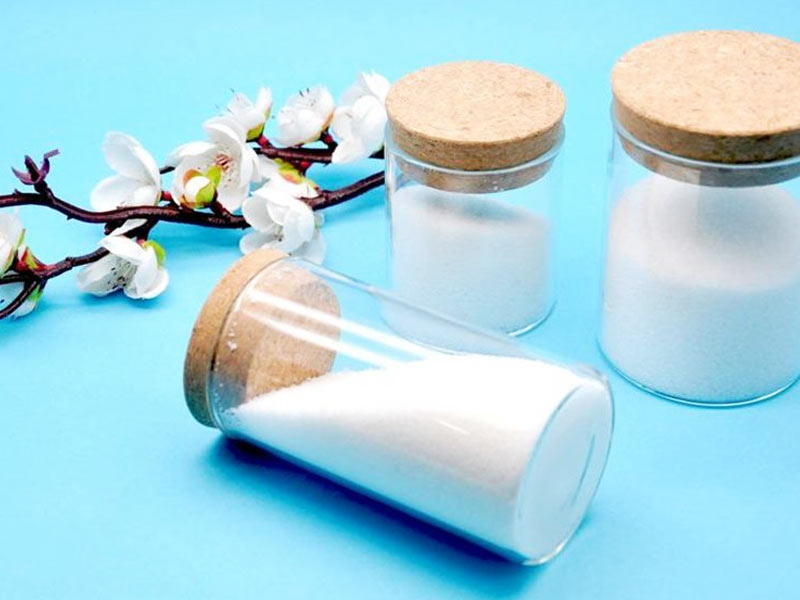
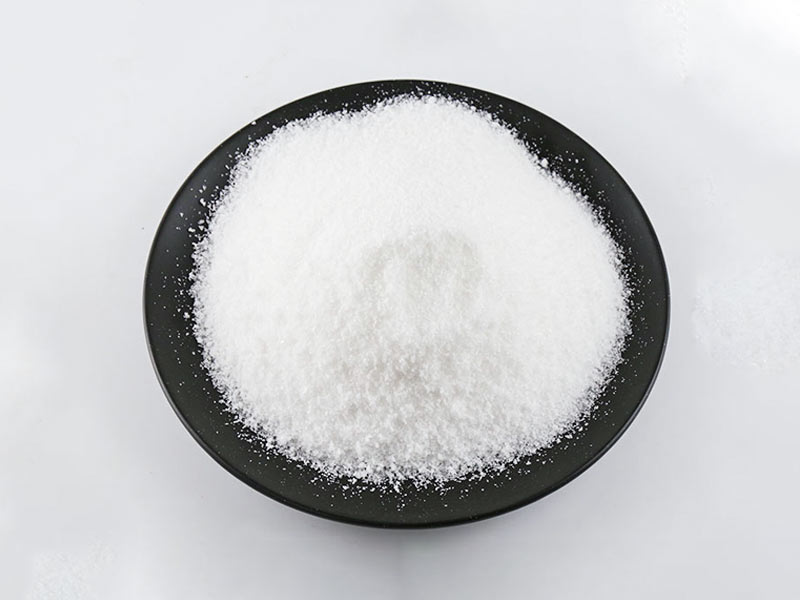
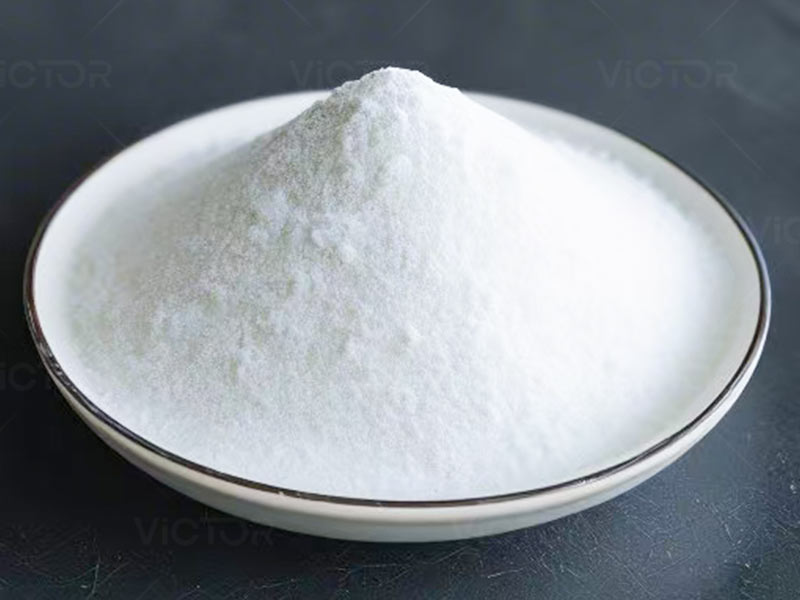
Non-ionic polyacrylamide possesses a solid content of 89%, a degree of hydrolysis of 5%, and a molecular weight ranging between 8 million and 12 million. Within the water purification sector, non-ionic polyacrylamide is a highly active polymeric flocculant. It rapidly introduces the active amide group molecular weight, enabling enhanced purification performance through polymerisation. Compared to anionic polyacrylamide, non-ionic polyacrylamide exhibits several distinctive characteristics: This flocculant remains largely unaffected by the pH range of wastewater. Under neutral or alkaline conditions in wastewater, its flocculation performance is generally moderate. However, in acidic wastewater, it facilitates rapid sedimentation and flocculation, demonstrating significantly superior efficacy compared to other flocculants.
Methods for treating acidic wastewater with polyacrylamide:
- First adjust the wastewater's pH range to neutral. Then select and add the most suitable polyacrylamide to achieve purification. When adjusting the pH range, alkaline substances such as sodium hydroxide or lime should be added first to convert acidic wastewater into neutral wastewater. Subsequently, select an appropriate polyacrylamide for addition, with cationic polyacrylamide being the most commonly used.
- Directly add non-ionic polyacrylamide without requiring any alkaline additives. This flocculant proves highly practical for acidic wastewater, delivering excellent flocculation and sedimentation effects.
The above outlines common methods for treating acidic wastewater with polyacrylamide. Most practitioners favour the latter approach, selecting non-ionic polyacrylamide. This achieves effective water purification without incurring additional treatment costs. For further insights into polyacrylamide, please follow our website! Please credit the source when sharing. Thank you for viewing!