Activated carbon is also a frequently employed adsorbent material in wastewater treatment processes. However, when adsorbing impurities from wastewater, activated carbon is susceptible to various influencing factors. What aspects impact the adsorption efficacy of activated carbon?
During the adsorption of harmful substances from wastewater by activated carbon, the process itself is an exothermic reaction, meaning temperature has a relatively minor impact on the carbon's performance. However, diffusion rates during adsorption significantly influence the outcome in water treatment. Consequently, factors such as contact time and the form of contact do affect adsorption efficiency. Furthermore, the adsorption capacity of the same type of activated carbon varies considerably for different water pollutants. Consequently, when utilising activated carbon for adsorption, different types of activated carbon must be selected for different water qualities. This is primarily because pollutants in water bodies differ in molecular structure, solubility, and concentration. Consequently, activated carbon exhibits varying adsorption capacities due to its distinct properties. For water treatment applications, activated carbon must possess high mechanical strength and rapid adsorption rates. Furthermore, its service life correlates with abrasion resistance, necessitating careful consideration of these factors during utilisation.
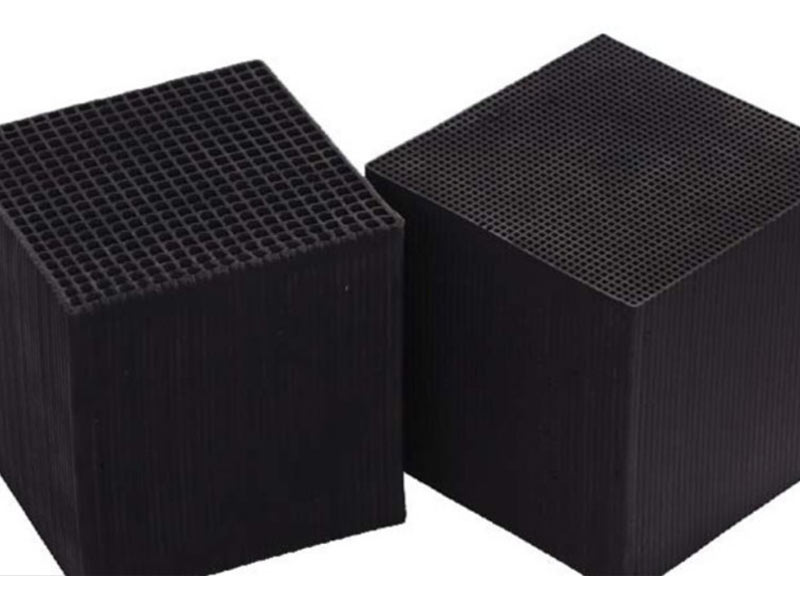
How then should activated carbon be selected for wastewater treatment? Should granular, powdered, or fibrous activated carbon be employed? Although powdered activated carbon is inexpensive, straightforward to handle during operation, and suitable for various wastewater purification applications, its use presents challenges.
Powdered activated carbon generates significant carbon dust, creating poor operating conditions. It is difficult to regenerate post-use and is often discharged alongside sludge, thereby increasing sludge treatment complexity. Granular activated carbon, while more costly than powdered varieties, offers easier regeneration and can be reused multiple times. It also possesses greater mechanical strength and excellent hydraulic performance. Granular activated carbon typically exhibits cylindrical, spherical, or irregular shapes. Fibrous activated carbon represents the third generation following powdered and granular types. Formed from carbon fibres and carbonisable fibres, it possesses a richly developed pore structure. Its large specific surface area renders it superior to conventional activated carbons. Ultimately, however, the selection of activated carbon should be guided by specific operational requirements.