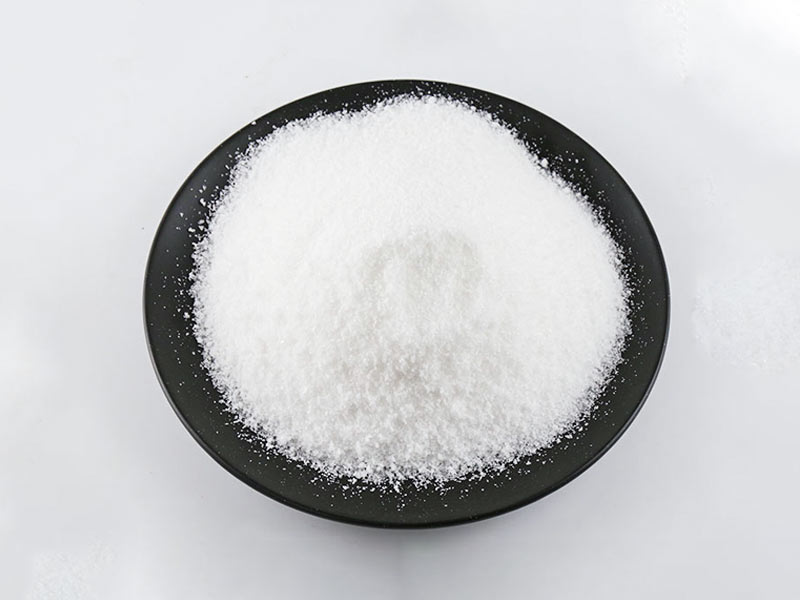
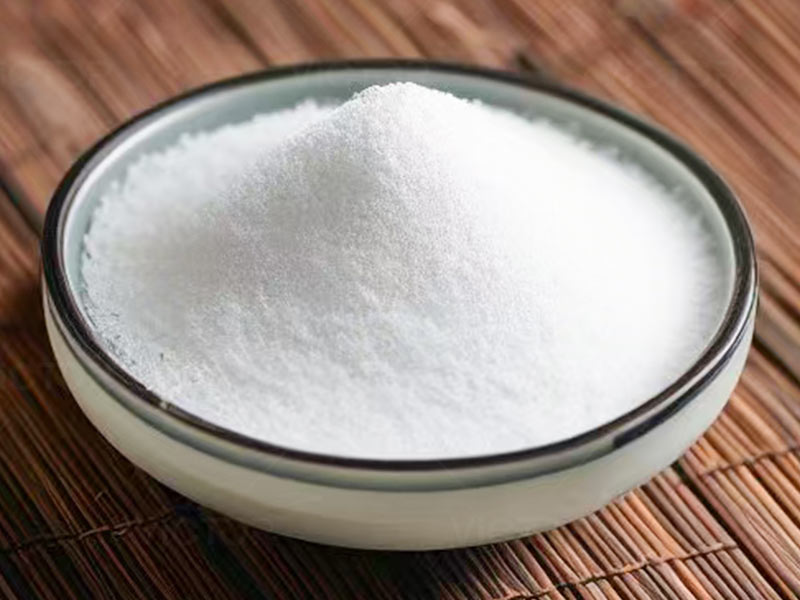
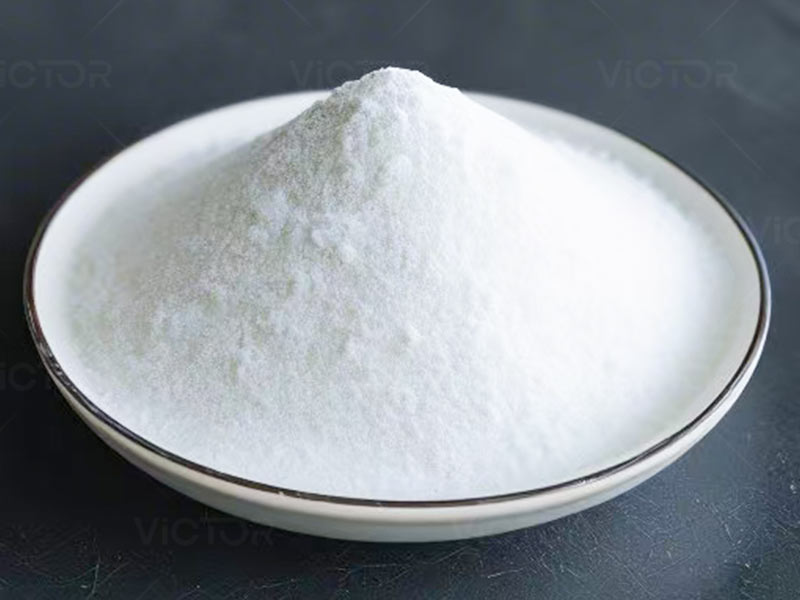
In the process of wastewater treatment, two types of water purification agents are commonly employed: polyaluminium chloride and
polyacrylamide. Although both serve as water purification agents, their applications differ. Today, we shall briefly examine the distinctions between polyaluminium chloride and polyacrylamide.
In simple terms, polyaluminium chloride is an inorganic coagulant, whereas polyacrylamide is an organic flocculant. Functionally, polyaluminium chloride acts to coagulate and destabilise particles, while polyacrylamide is primarily employed for flocculation and sedimentation. In water treatment processes, polyacrylamide is chiefly employed in raw water treatment, sewage treatment, and industrial water treatment. For raw water treatment, it is typically used in conjunction with activated carbon to clarify and coagulate potable water. In sewage treatment, polyacrylamide is utilised for sludge dewatering. Within industrial water treatment, it primarily functions as a formulation agent. It should be noted that substituting polyacrylamide for polyaluminium chloride in raw water treatment significantly enhances purification efficacy. Consequently, in urban areas experiencing water scarcity or poor water quality, polyacrylamide is frequently employed as a supplementary treatment agent. In wastewater treatment, its application increases the recyclability of treated effluent.
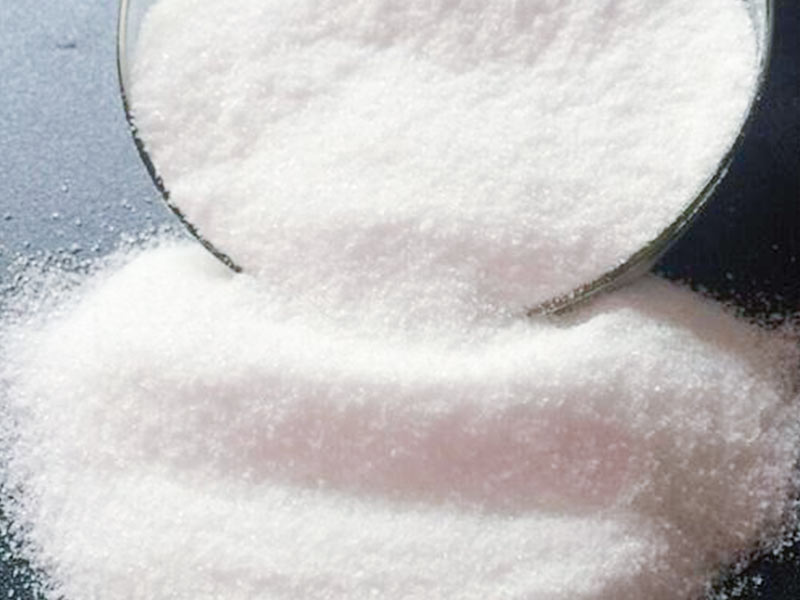
Polyaluminium chloride boasts broad applicability across diverse water types. It readily forms large alum flocs and exhibits excellent sedimentation properties. When applied to wastewater with a pH range of 5-9, it reduces the post-treatment pH and alkalinity. Even at lower water temperatures, polyaluminium chloride maintains effective sedimentation during treatment. Furthermore, it exhibits minimal corrosive effects on equipment during use. As a high-molecular-weight water-soluble polymer, polyacrylamide serves as an excellent flocculant. Consequently, it reduces friction and resistance between liquids during water treatment.
It is important to note the concentration ratio between the two agents. Typically, polyacrylamide is used at a relatively low concentration of approximately 0.1–0.2%, facilitating mixing and reducing chemical consumption. Poly aluminium chloride, conversely, is generally used at a concentration of 10%, simplifying the calculation of dosage requirements. However, excessive use of either poly aluminium chloride or polyacrylamide must be avoided. Excessive polyacrylamide use degrades coagulation efficacy. Particularly, over-dosage causes secondary water pollution and, given polyacrylamide's higher cost, increases treatment expenses. Overusing polyaluminium chloride results in loose, poorly compacted alum flocs that settle poorly, compromising treated water quality.