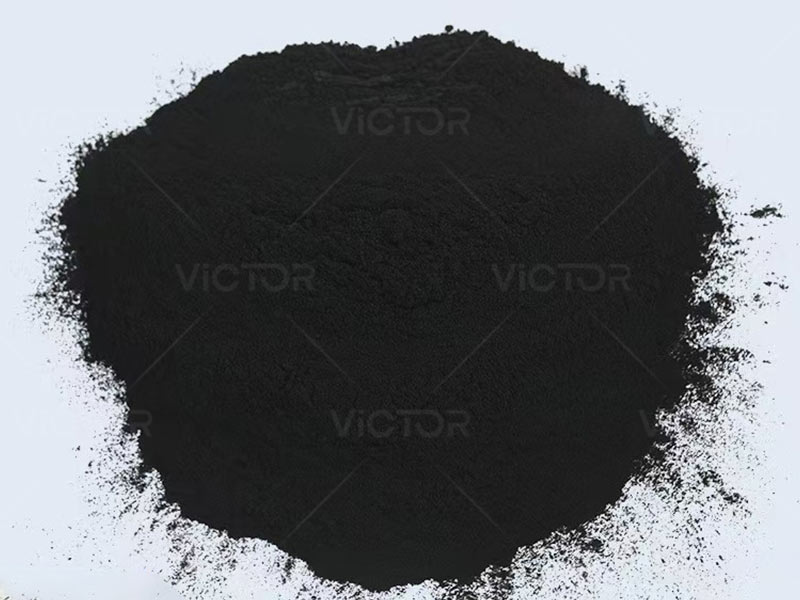
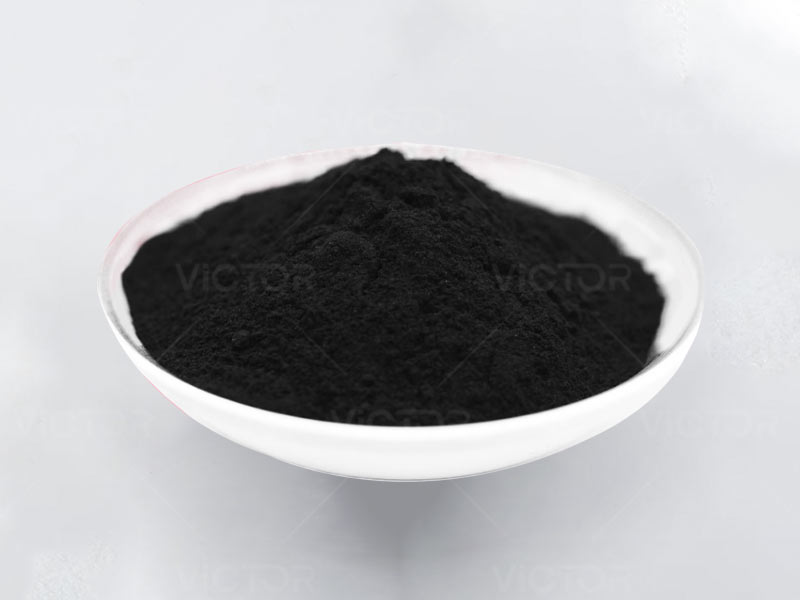
Product Detail:Powdered activated carbon is primarily manufactured from high-quality wood shavings and fruit shells. The most widely employed production method currently in use on the market is the zinc chloride process.
Application:Glucose, chemical adjuvants, food additives, pharmaceutical preparations, sugar decolourisation, dye
Powdered activated carbon produced by this method possesses a highly developed pore structure, offering substantial adsorption capacity and enabling rapid filtration. It is currently predominantly employed for decolourisation and removal of various pharmaceutical agents, as well as for reducing pyrogens. Powdered activated carbon produced via this process is suitable for decolourisation, deodorisation, impurity removal, and purification in high-colour-intensity industrial solutions such as glucose, chemical additives, food additives, pharmaceutical preparations, sugar decolourisation, dyeing decolourisation, and amino acids.
The phosphoric acid method represents another production process for powdered activated carbon. Characteristics of this production method include: highly developed mesoporous structure and extensive surface area. It exhibits extremely rapid filtration rates and substantial adsorption capacity, with no trace of zinc salts. It is currently primarily employed for decolourisation, deodorisation, impurity removal in products such as wine, pharmaceutical intermediates, condiments, food processing, citric acid, animal and plant proteins, vitamins, antibodies, seasonings, glutamic acid and salts, lactic acid and salts.
Injection-grade carbon: Characterised by minimal impurities, high purity, and rapid filtration. It excels in decolourisation, water purification, and purification processes. It is presently chiefly employed in the decolourisation and removal of pyrogens from various injectable pharmaceuticals during preparation. It may also be used for decolourising vitamin C and other medicinal substances, exhibiting strong filtration properties. Consequently, it finds extensive application in the decolourisation and preparation of pharmaceuticals including traditional Chinese medicine, Western medicine, and pesticides, whilst simultaneously serving to detoxify and eliminate intestinal pathogens.
First, one must possess a certain understanding of the density characteristics of powdered activated carbon. Prior to use, samples of the wastewater should be taken and water quality tested to determine the appropriate grade of activated carbon and the dosage required. This approach enables the achievement of purification results. It is crucial to note that the transportation and storage of powdered activated carbon demand particular attention. Select a dry, well-ventilated location, shielding it from wind and direct sunlight. Exposure to moisture will cause it to lose its original adsorption capacity. During transportation, avoid excessive heat and open flames, as powdered activated carbon may explode if exposed to fire. Please bear this in mind.