Activated carbon, widely recognised as a product with excellent adsorption properties, boasts an extensive range of applications. It is categorised into numerous types, including coal-based activated carbon,
powdered activated carbon, coconut shell activated carbon, and fruit shell activated carbon. Today, we shall delve into powdered activated carbon in detail.
As public awareness of activated carbon gradually increases, the activated carbon market has experienced rapid expansion. However, this growth has also seen the emergence of substandard products, severely disrupting market integrity and causing adverse effects for consumers. Powdered activated carbon, typically derived from wood shavings and processed through specialised methods, is commonly sold in retail outlets and supermarkets. Its potent adsorption properties—such as neutralising odours in refrigerators—are widely recognised. Nevertheless, in daily use, we often observe a significant decline in its adsorption performance. What factors influence the adsorption capacity of activated carbon?
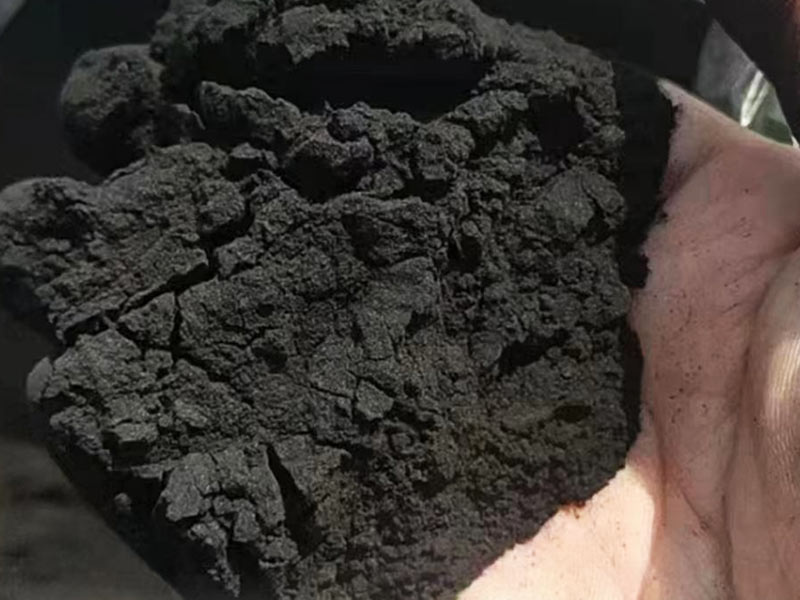
Temperature and humidity play a key role. Activated carbon produced using moist air at temperatures below 300-500°C predominantly contains acidic oxides. Conversely, activated carbon manufactured at temperatures below 800-900°C using air, steam, or carbon dioxide as the activating oxidant predominantly contains basic oxides. At lower temperatures, adsorption capacity is greater and adsorption occurs readily; at higher temperatures, desorption becomes easier. Therefore, placing activated carbon in direct sunlight for several hours allows adsorbed harmful gases to desorb. This constitutes the regeneration process for activated carbon. After regeneration, it can be returned to the vehicle to continue removing harmful gases from the interior air. Moreover, the adsorption capacity of activated carbon is finite. Consequently, placing a greater quantity of activated carbon in the vehicle yields better results. Once activated carbon reaches adsorption saturation and its capacity is exhausted, it ceases to adsorb further. Consequently, regular regeneration is essential. pH levels also influence adsorption properties, with acidic solutions generally exhibiting higher adsorption capacity than alkaline solutions.
Though activated carbon varies in form and application, it shares a common characteristic: adsorption. This adsorption capability stems from its highly developed pore structure. Much like a sponge, under equal weight conditions, it can absorb more water than other materials precisely because of its intricate pore network. Consequently, in the application of powdered activated carbon, its adsorption capacity directly influences the efficacy of the treatment.