For many people,
activated carbon is the go-to choice when treating water quality or purifying air. However, activated carbon varies in quality. So how should we select it during use?
Although activated carbon is frequently utilised, our understanding of it remains somewhat limited. One might mistakenly identify unactivated bamboo charcoal, wood charcoal, or coconut shell charcoal as genuine activated carbon. Alternatively, ordinary activated carbon with poor adsorption capabilities could be mistaken for high-quality material. Therefore, as consumers, we must learn to differentiate between these products to avoid being misled.
Activated carbon is an excellent adsorbent. It is produced using various raw materials such as charcoal, bamboo charcoal, and high-quality coal. Through physical and chemical processes including crushing, washing, and drying, it acquires specific physical and chemical adsorption properties.
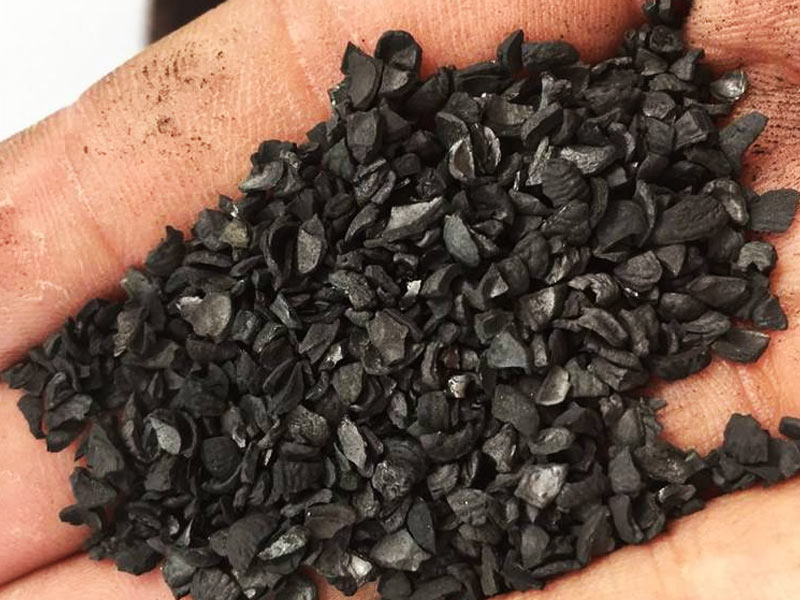
To select high-quality activated carbon, one must first observe its bubble formation. Add a small handful to water. Water's permeating action will gradually infiltrate the carbon's pore structure, causing air to be expelled. This generates a continuous stream of fine bubbles, drawing a delicate trail across the water's surface while producing a characteristic bubbling sound. The longer this phenomenon persists and the greater the number of bubbles, the superior the activated carbon's adsorption capacity. Secondly, assess its decolourisation capability. Activated carbon possesses the remarkable ability to transform coloured liquids into pale or colourless states. Achieving this function indicates high-quality activated carbon. It is precisely this decolourisation characteristic that enables its widespread application in the sugar manufacturing industry. To test this, add a drop of ink to water before introducing a handful of activated carbon to observe its decolourising effect. The superior the decolourisation effect, the stronger the adsorption capacity and the better the quality. Another factor is the iodine value. This indicates the performance level of the activated carbon. Different iodine values correspond to varying adsorption capacities, naturally leading to price differences. However, among activated carbons with the same iodine value, coconut shell-based activated carbon generally delivers better performance. Finally, consider the weight. Activated carbon with more pores tends to be more friable. Consequently, its density is lower. Therefore, high-quality activated carbon feels lighter to the touch. Generally, for the same weight, superior activated carbon will occupy a larger volume than inferior activated carbon.