Activated carbon is a black powder, block or granular form of carbon. It is now widely utilised across numerous industries, particularly demonstrating remarkable efficacy in air purification and wastewater treatment. It has become the primary choice for many professionals undertaking environmental remediation. However, it must be noted that activated carbon exists in various types, and these distinctions yield differing effects during water treatment processes.
Activated carbon is a crystalline carbon with a regular arrangement. Beyond carbon, it contains other chemical elements. One is oxygen and hydrogen, which chemically bond with non-carbon elements on the activated carbon surface during the activation process. Another is ash content. As the inorganic component of activated carbon, ash readily causes secondary contamination. Nevertheless, owing to its strong adsorption capacity, activated carbon finds extensive application in both industrial production and daily life.
Activated carbon is categorised into
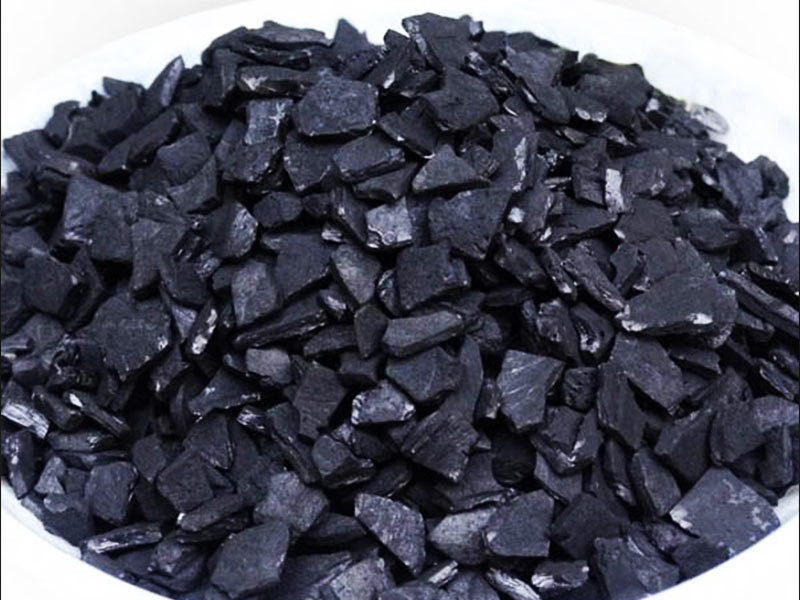
coconut shell activated carbon, powdered activated carbon, and granular activated carbon. Coconut shell activated carbon is refined through multiple processes using premium coconut shells as raw material. Typically appearing as black granular particles, coconut shell activated carbon features a highly developed pore structure, excellent adsorption capacity, high strength, and extended service life. It is primarily employed for purifying drinking water, purified water, and industrial wastewater, as well as for decolourisation and deodorisation. Derived from refined coconut shells, it possesses a large specific surface area, rapid adsorption rate, and high adsorption capacity, rendering it highly effective for purified water treatment. Powdered activated carbon is produced from premium wood shavings and fruit shells using the common zinc chloride method. It possesses a highly developed mesoporous structure, offering substantial adsorption capacity for efficient rapid filtration. It is primarily employed for decolourisation and pyrogen removal in injectable pharmaceuticals, making it suitable for decolourisation and purification in pharmaceuticals and pesticides. Furthermore, powdered activated carbon demonstrates excellent applicability in treating sudden odours and industrial pollutants in water. It delivers pronounced efficacy in rapid water decolourisation and deodorisation. Columnar activated carbon, manufactured from premium coal, wood shavings, and coconut shells, presents as black cylindrical granules. Widely deployed across gas treatment, wastewater management, desulphurisation, and denitrification sectors, it effectively adsorbs airborne harmful gases and facilitates advanced wastewater purification. It stands as a favoured choice for many in water purification applications.
These represent some of the key functions of activated carbon. Selecting the appropriate type for specific applications is crucial. We trust this overview has provided valuable insights.