Activated carbon is a substance we frequently encounter in daily life. While it is relatively commonplace, our understanding of it largely remains confined to water purification. In truth, however, activated carbon possesses considerable utility and serves numerous purposes. For instance, it excels at adsorbing odours. Beyond this, it fulfils many other functions. What specific benefits does activated carbon offer?
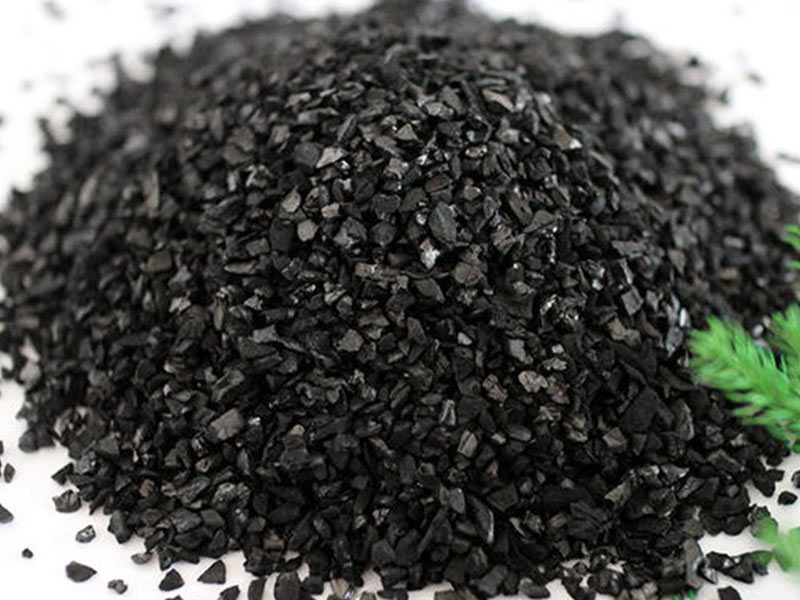
Activated carbon, also known as activated charcoal, appears as a black powder or granular substance. Possessing potent adsorption properties, it effectively removes certain organic compounds through absorption. Today, activated carbon finds extensive application in automotive and indoor air purification systems. As a porous carbonaceous material with a highly developed pore structure, it readily interacts with and adsorbs harmful substances from the air, thereby achieving purification.
What are the specific applications of activated carbon? It can adsorb harmful gases such as formaldehyde, benzene compounds, and ammonia from the air in newly renovated homes, rapidly eliminating renovation odours. It also adsorbs various odours released by new furniture, including formaldehyde. It plays a significant role in deodorising, sterilising, and freshening bathroom air. Furthermore, it can adsorb and reduce the harm of radiation to the human body, as well as adsorb various harmful substances and odours from new vehicles. It also helps prevent floor warping.
Activated carbon comes in numerous varieties. Classified by material, these include coconut shell carbon, fruit shell carbon, wood carbon, coal carbon, and granular carbon. Coconut shell activated carbon typically appears as black granules. It features a highly developed pore structure, strong adsorption capacity, high strength, stable chemical properties, and durability. Fruit shell carbon is primarily made from fruit shells and wood shavings. It undergoes carbonisation and refinement, exhibiting high specific surface area, uniform particle size, and potent adsorption properties. It effectively removes free chlorine, phenols, pesticide residues, and other organic contaminants from water. It is extensively employed in the advanced purification of drinking water, industrial water, and wastewater. Wood-based carbon utilises premium timber as raw material. presenting a powdered form. It effectively adsorbs various substances and impurities from liquids. Columnar carbon is manufactured from high-quality wood shavings and charcoal, processed through crushing, mixing, and compression. This significantly extends the product's service life, exceeding that of ordinary coal-based carbon by more than double. Coal-based carbon utilises anthracite as its raw material, offering high strength, rapid adsorption, and substantial adsorption capacity. It is primarily employed in high-end air purification, exhaust gas purification, and wastewater treatment applications.