Winters in the north can be quite severe. The efficacy of the water purification agent
polyaluminium chloride is also affected by temperature. So what precautions should be taken when using polyaluminium chloride during cold winters? And how should it be stored? Today, the polyaluminium chloride manufacturer will provide an introduction.
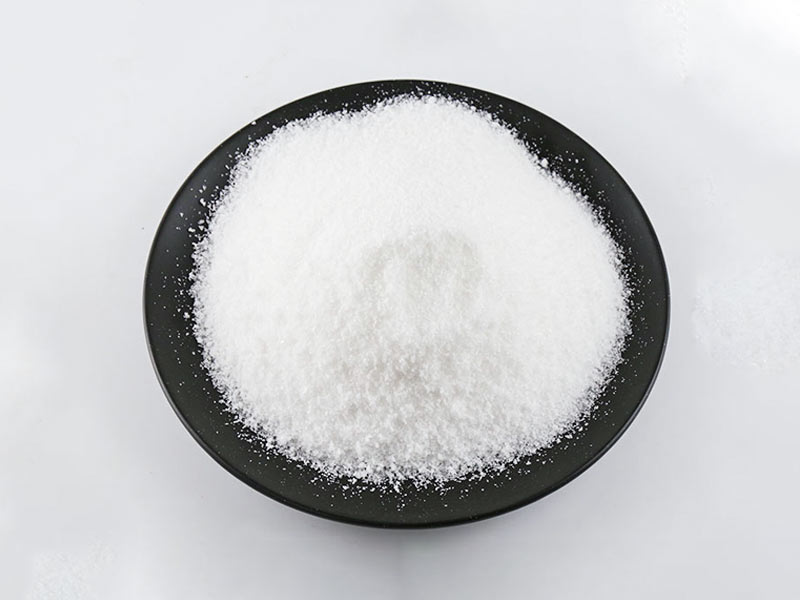
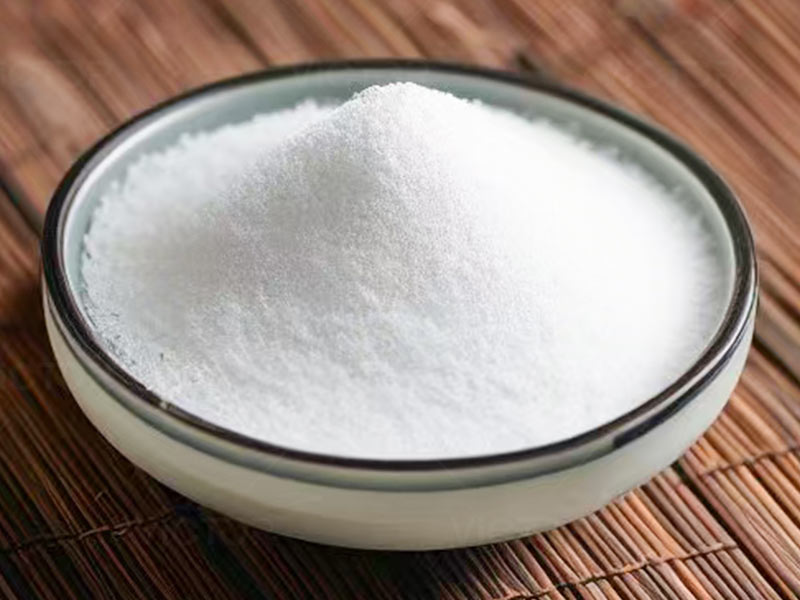
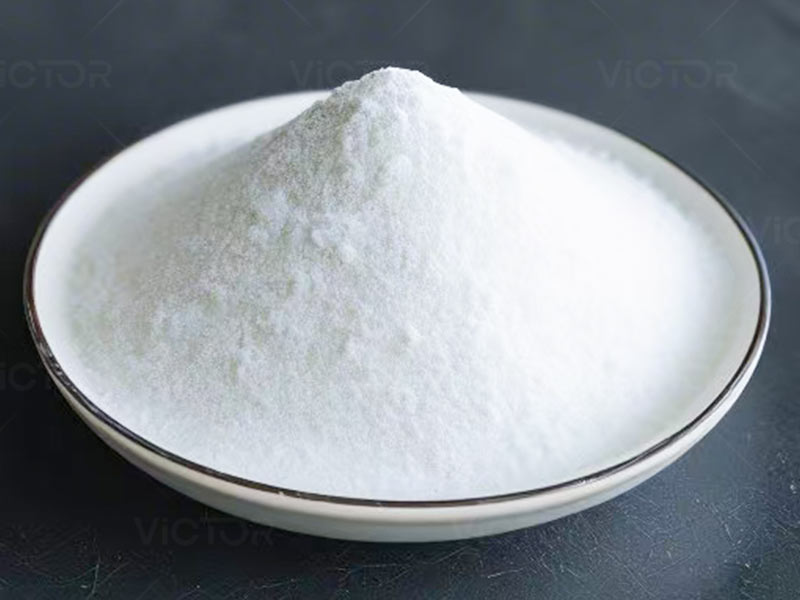
Polyaluminium chloride is a high-molecular-weight inorganic flocculant. It dissolves readily in water and possesses a degree of corrosiveness. Typically, it is packaged in plastic sacks for storage: an outer woven plastic bag containing an inner plastic film liner. Under normal circumstances, each bag of polyaluminium chloride weighs 25kg. During storage, it should be kept indoors in a dry, well-ventilated, and cool location. It is crucial to prevent the product from becoming damp. However, if accidental moisture exposure occurs, the product can still be used. The shelf life of solid polyaluminium chloride products is approximately two years. Liquid polyaluminium chloride products have a shelf life of approximately six months. Furthermore, different manufacturers utilise varying raw materials in the production of polyaluminium chloride. Consequently, products from different manufacturers should not be mixed. They should also not be stored alongside other chemical products. This is because both the undiluted solution and diluted forms of polyaluminium chloride possess a degree of corrosiveness. Handling during loading and unloading requires careful and gentle treatment.
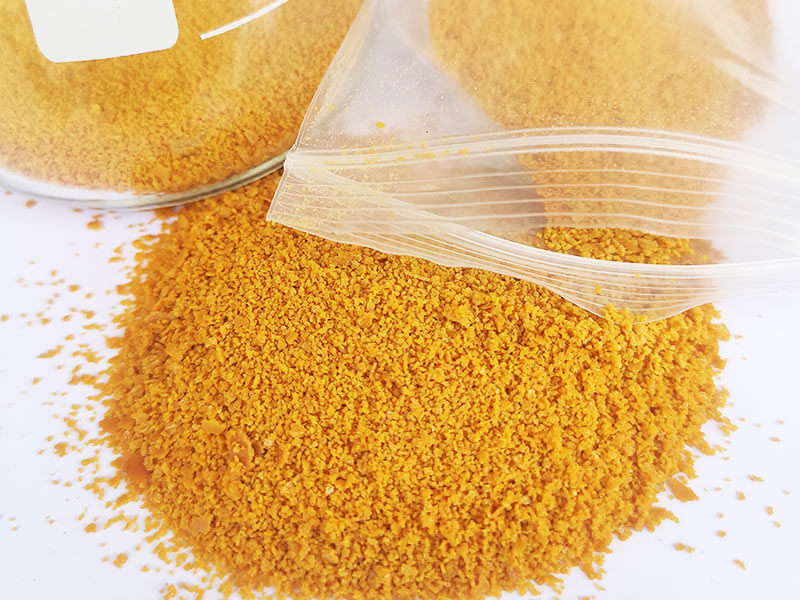
When using polyaluminium chloride in winter, particular attention must be paid to dissolution. Due to cold weather, the stirring speed should be increased during dissolution. Ensure the water used for dissolving polyaluminium chloride is free from impurities and ice. These contaminants and ice can adversely affect the final dissolution efficiency and usage effectiveness. It is advisable to dissolve only the quantity of chemical required for immediate on-site use. Excessive quantities may lead to wastage and freezing. Additionally, ensure adequate temperature during dosing, as temperature significantly impacts hydrolysis rates. For every ten-degree increase in water temperature, the reaction rate of polyaluminium chloride doubles. Conversely, when water temperatures fall below zero degrees, its flocculation efficiency is severely impaired. Consequently, during winter months, the solution concentration should be appropriately increased during preparation. Furthermore, dosage levels must be promptly adjusted according to the specific characteristics and fluctuations of the wastewater being treated.