For many,
activated carbon serves as an excellent air purifier, effectively removing formaldehyde. This advantage has led to its increasing popularity. However, activated carbon's benefits extend far beyond formaldehyde removal. Today, let us explore some of its other advantages.
Indeed, activated carbon boasts numerous strengths, foremost among them being adsorption. Like a sponge, it can adsorb harmful particles, preventing these substances from entering the human body via the air. Moreover, activated carbon is commonly employed in water filtration systems and air purification processes. It effectively adsorbs pollutants from the air, such as radon, fuels, solvents, and numerous industrial chemicals. This protects us from inhaling or ingesting such contaminants in daily life. Typically, activated carbon is utilised in industries including petrol vapour recovery, organic compound removal, and the separation and purification of exhaust gases and mixed gases.
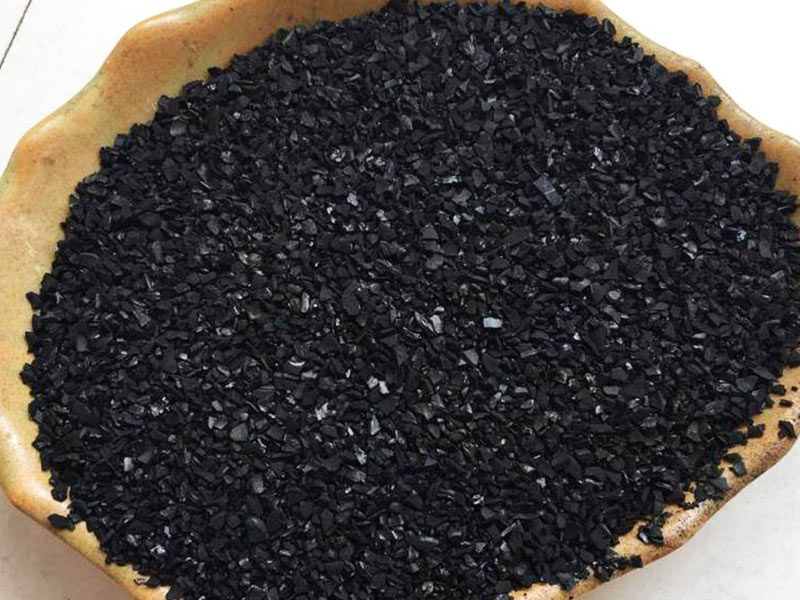
What advantages does activated carbon offer in air purification? Possessing a highly developed pore structure, it effectively adsorbs harmful substances from the air. Its large pores facilitate easy entry of adsorbed materials. Conversely, insufficient pore size reduces specific surface area, diminishing adsorption capacity. The specific surface area of activated carbon refers to the combined external surface area of its irregular particles and the internal surface area of its pores. Generally, a larger specific surface area correlates with stronger adsorption capacity. Factors such as temperature and humidity also influence adsorption efficiency. Within a specific temperature range, higher temperatures enhance adsorption effectiveness. This occurs because activated carbon molecules move more rapidly at elevated temperatures, accelerating the absorption rate.
What precautions should be taken when using activated carbon? Ensure adequate ventilation during operation. As activated carbon adsorbs in a static state, air convection allows airborne pollutants to pass through the carbon, enhancing its adsorption capacity. Crucially, dust must be removed from activated carbon prior to use. However, direct rinsing under tap water is inadvisable, as tap water contains chlorine and bleaching powder. These substances may cause premature adsorption, diminishing the carbon's effectiveness.