In our daily wastewater treatment processes, the usage volume and frequency of
polyaluminium chloride are quite substantial. This has led many to feel uncertain when employing polyaluminium chloride products. What exactly is the usage cost of polyaluminium chloride? How should it be calculated?
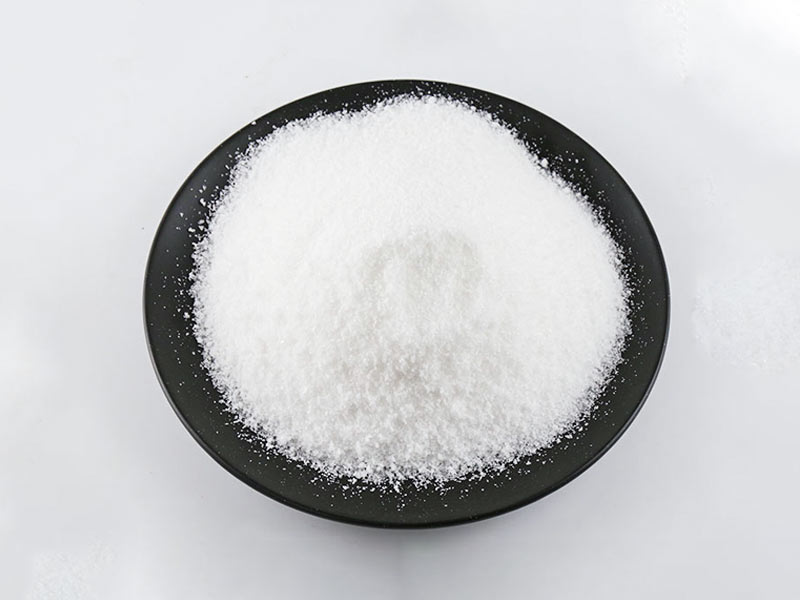
For routine wastewater treatment, the polyaluminium chloride products typically employed are yellow or yellowish-brown in colour. Their aluminium oxide content generally exceeds 26%. These are primarily suited for wastewater purification in facilities such as sewage treatment plants, textile dyeing plants, paper mills, and coal washing plants. For such applications, lower-concentration, lower-grade polyaluminium chloride can be utilised, reducing both usage volume and treatment costs.
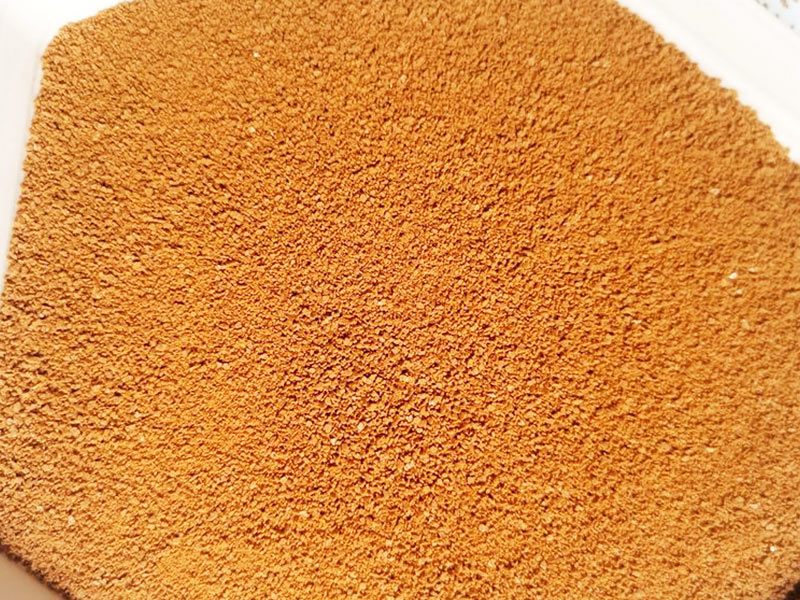
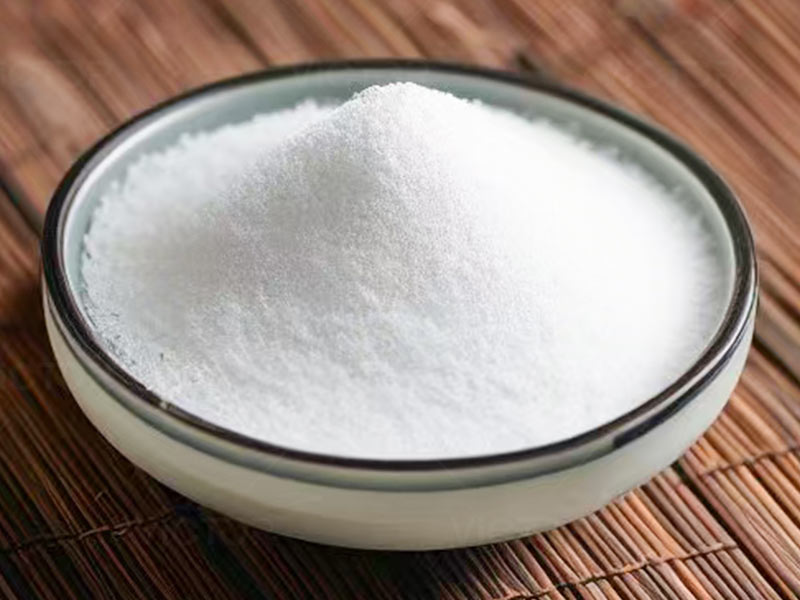
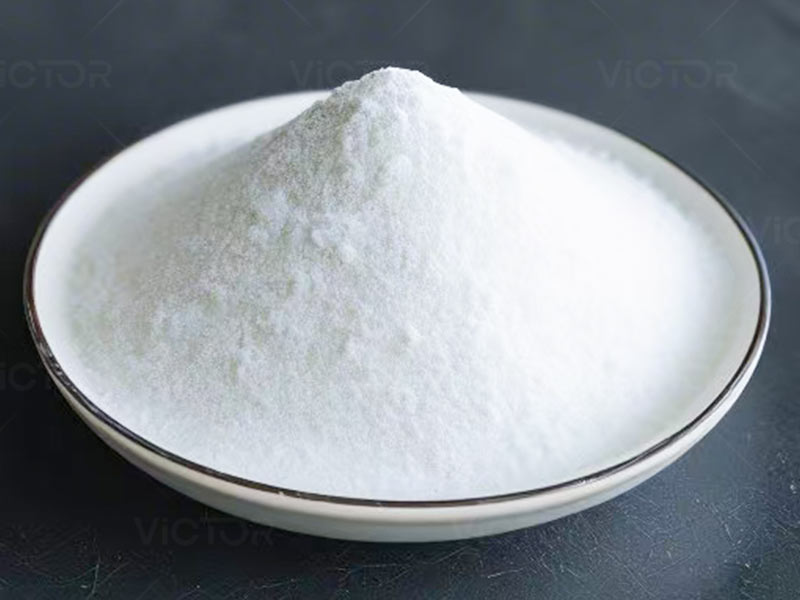
Regarding the aluminium content of polyaluminium chloride, it is generally above 28%. Liquid polyaluminium chloride has a concentration of 10%. When using it, the solid polyaluminium chloride must first be diluted to form a 10% liquid solution. The dosage is then determined based on the turbidity of the raw water. As a rule, for raw water with turbidity ranging from 100 to 500 mg/L, the dosage per thousand tonnes of water is 10-20 kg. This quantity generally meets wastewater treatment requirements. However, as turbidity varies across different wastewater streams, dosage may require adjustment. Conducting trials remains the optimal method for determining precise dosage. Dilute solid polyaluminium chloride at a 1:3 ratio. After stirring for approximately 15 minutes, dilute with 10–20 times the volume of clean water. Stir again before dosing and observe the results to determine the final dilution ratio and dosage.
However, treating wastewater with a single type of water treatment chemical often proves insufficient. This necessitates the use of composite water treatment agents. When employing composite water treatment agents, strict adherence to dosing sequence and timing intervals is imperative. Chemically, polyaluminium chloride exhibits a very short reaction time, necessitating vigorous mixing immediately after addition. Conversely, polyacrylamide requires a longer reaction period. Therefore, mixing must follow a sequence of strong agitation followed by gentle mixing to prevent disruption of flocs. For optimal results, experimental testing should determine the definitive dosing sequence. The timing of chemical addition, dosage rates, and mixing intensity all require experimental validation. Crucially, never combine polyaluminium chloride and polyacrylamide, as this directly compromises treatment efficacy and increases operational costs.