

Newstime:2026-03-30 Source:Polyacrylamide
The application of polyacrylamide products involves specific dosage requirements. However, different industries exhibit variations in both the quantity and types of polyacrylamide utilised. What precisely are the usage patterns across these sectors? Let us explore.
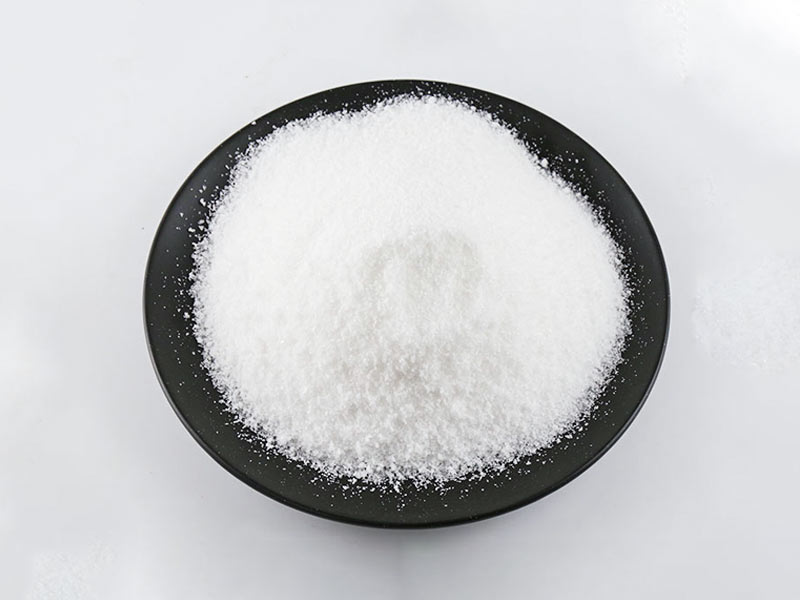
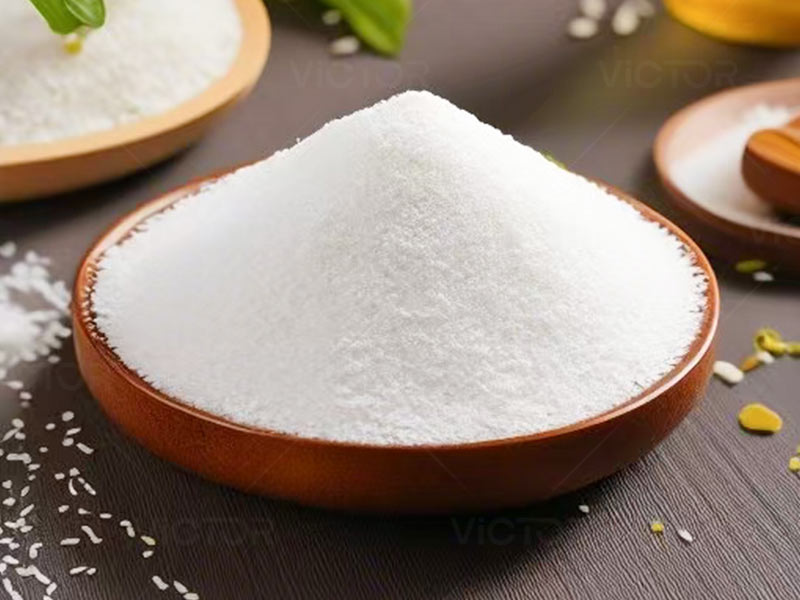
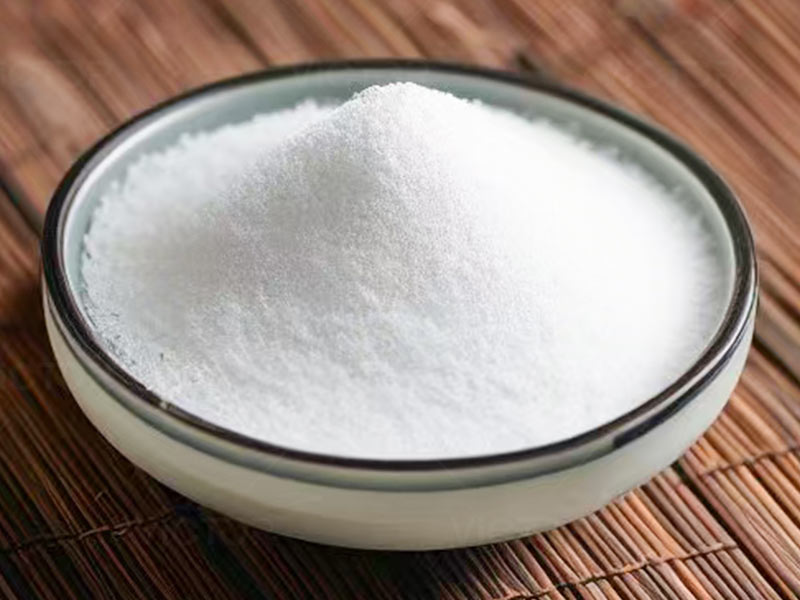
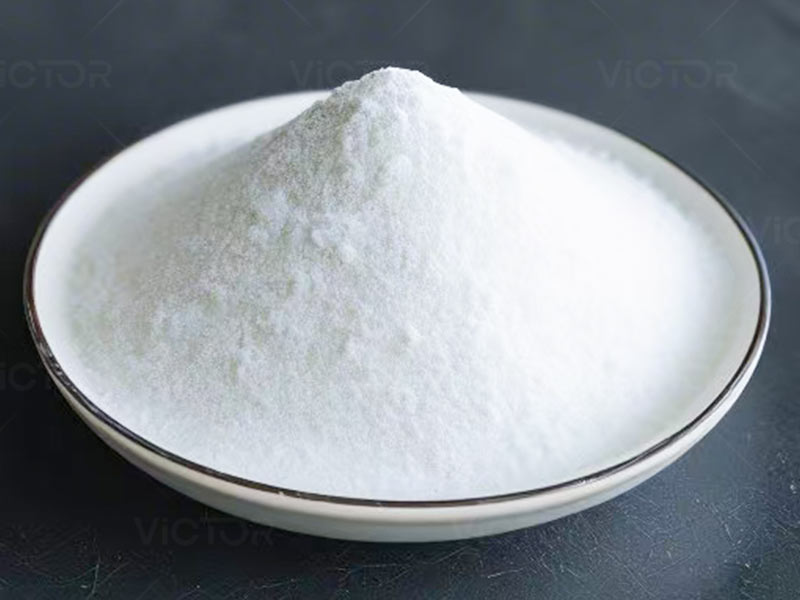
Polyacrylamide products represent a crucial water-soluble polymer, exhibiting properties such as flocculation, thickening, shear behaviour, and drag reduction. Consequently, they find extensive application across industries including oil extraction, mineral processing, coal washing, metallurgy, chemical manufacturing, and papermaking. Precisely because of these varied industrial contexts and operational scenarios, When employing polyacrylamide products, it is advisable to conduct preliminary trials to determine the most suitable type and dosage. Below, VICTOR Polyacrylamide Manufacturer provides an analysis of approximate usage levels across various sectors.
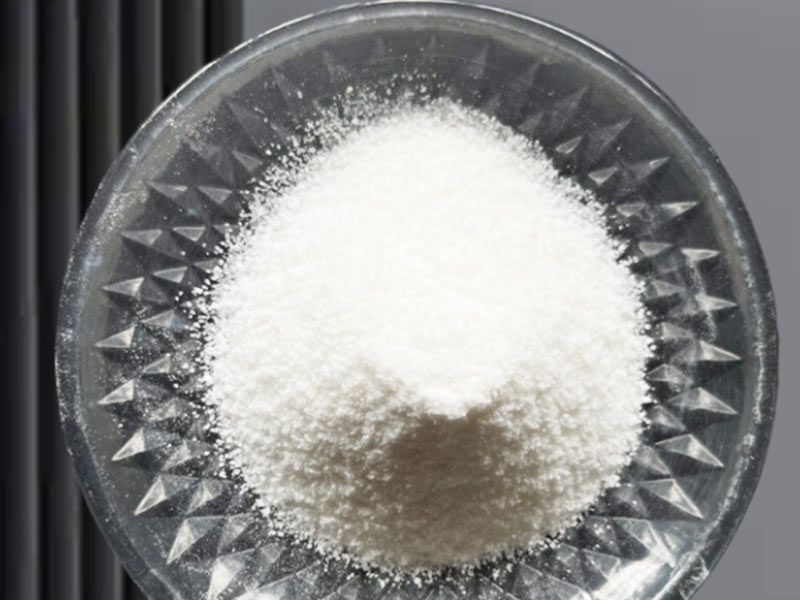
Starting with domestic sewage treatment: the type of polyacrylamide required for sludge dewatering varies depending on the treatment method employed. For biological treatment, cationic polyacrylamide alone suffices for sludge dewatering. Physical-chemical treatment, however, requires preliminary addition of polyaluminium chloride to adjust pH levels, followed by the sequential addition of anionic and cationic polyacrylamide for subsequent dewatering. The precise dosage must be determined based on the wastewater's specific composition. Naturally, some manufacturers directly add polyaluminium chloride or other inorganic flocculants during sludge dewatering. This approach necessitates the use of plate-and-frame filter presses and is particularly prevalent in electronics factories or smaller-scale wastewater treatment facilities. Additionally, polyacrylamide is employed in coal washing applications. Usage typically ranges from 30 to 110 kilograms of polyacrylamide product per thousand tonnes of water. Within the chemical industry, consumption lies between 50 and 120 kilograms per thousand tonnes of water. The dyeing and bleaching sector presents further variations. Due to the challenging nature of the wastewater, usage increases significantly, generally ranging from 100 to 300 kilograms per thousand tonnes of water. For electroplating wastewater treatment, polyacrylamide consumption stands at approximately fifty kilograms per thousand tonnes of wastewater. Thus, usage varies considerably across different industrial sectors.
Having outlined these points, the above represents a summary of polyacrylamide product usage compiled by VICTOR Polyacrylamide Manufacturer. We trust this information proves beneficial.
The link to this article is: https://www.polyacrylamidepam.com/know/dosage-instructions-for-polyacrylamide.html
Copyright: Please credit the source when reproducing this content.2026-05-01
2026-03-31
2026-03-30
2026-03-29
2026-03-28