In the water treatment process,
polyaluminium chloride is a commonly used water purification chemical. Its application techniques have gradually matured over time. However, with industrial development, the quality of wastewater has undergone certain changes. The difficulty of wastewater treatment has increased, giving rise to new challenges. The issue of foam formation after adding polyaluminium chloride is one such vexing problem. So why does foam occur after adding polyaluminium chloride?
Foaming after adding polyaluminium chloride to wastewater typically occurs most frequently during the transition between winter and spring. This is primarily because temperatures remain relatively low during this seasonal shift, creating conditions conducive to bacterial proliferation. Consequently, adding polyaluminium chloride products at this time often leads to foam formation. During summer, foaming typically ceases. However, foaming may also occur independently of temperature variations, stemming from inadequate pre-treatment or subsequent biochemical processing. In such instances, most practitioners employ water treatment additives with defoaming properties for remediation.
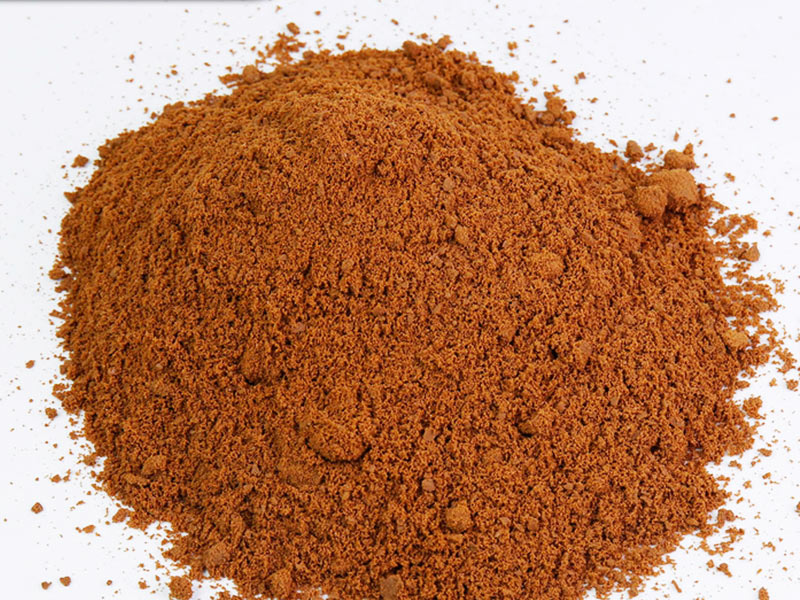
Foaming associated with polyaluminium chloride is frequently attributable to variations in water quality. Consequently, the reaction dynamics when adding polyaluminium chloride products may vary during treatment. Therefore, prior to adding water treatment agents, it is essential to understand the characteristics of the water requiring treatment. During the treatment process, determine the most appropriate dosage. The dosage depends on the water quality. It is advisable to conduct preliminary experiments. Identify the type of polyaluminium chloride required for different water qualities. Generally, the dosage ranges from 4-20 mg/l. Regarding excessive foaming after dosing, this may stem from gas accumulation in subsequent biological treatment tanks. It could also result from over-dosing of polyaluminium chloride during production. Alternatively, it might arise from excessive sludge loading during pre-treatment. Typically, any foaming subsides within approximately one week post-dosing. Should foaming persist, one must consider whether the quality of the polyaluminium chloride product used is substandard. This includes verifying whether the effective component content, elemental content, and other specifications of the polyaluminium chloride product meet nationally prescribed standards.