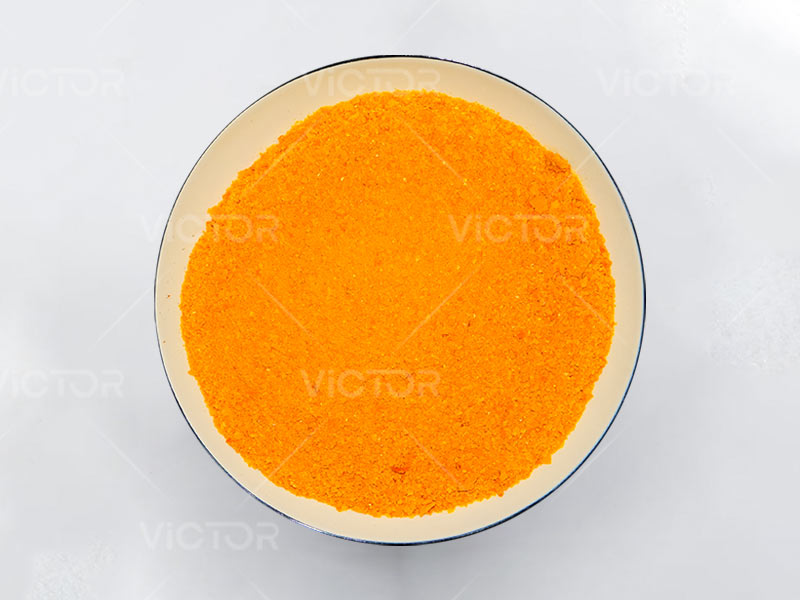
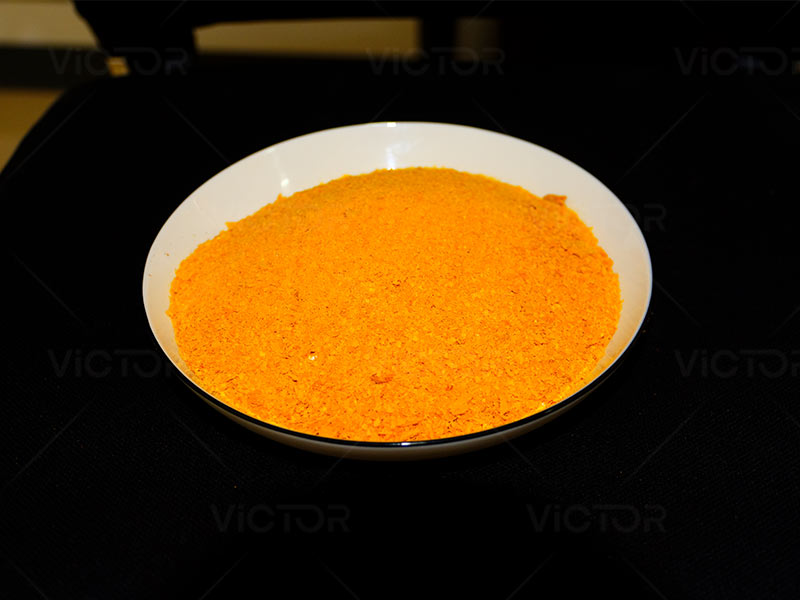
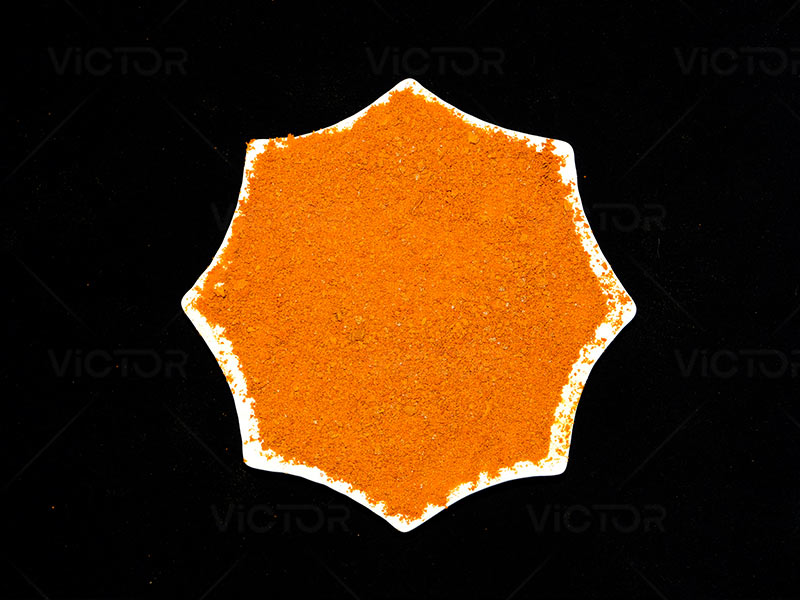
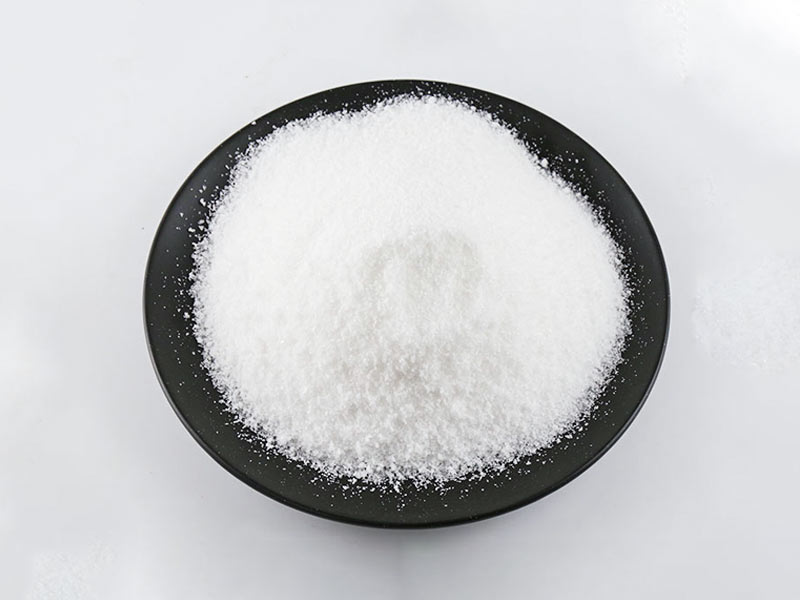
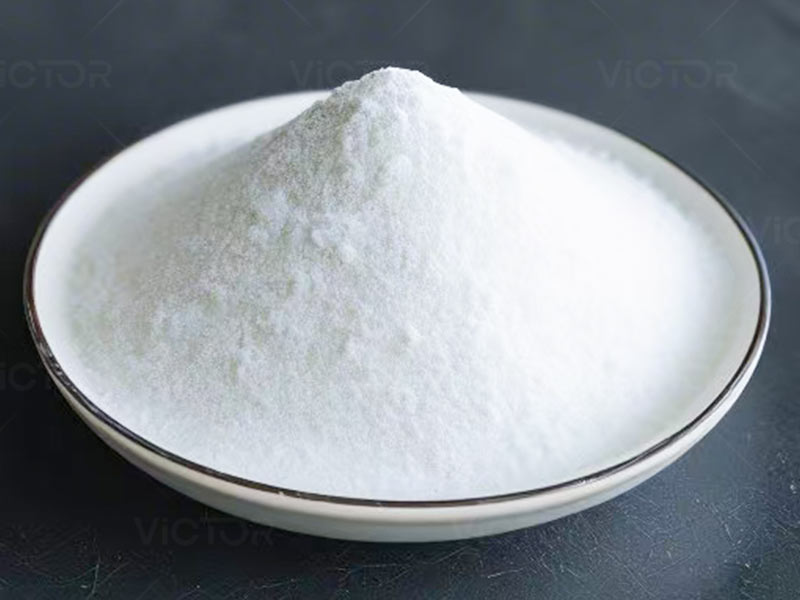
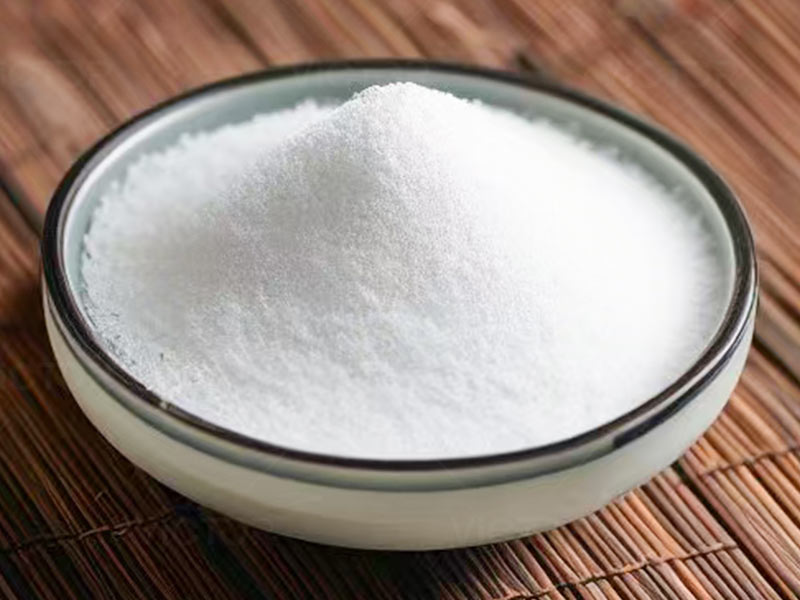
Product Detail:Polyaluminum chloride, often referred to as polychlorinated chloride or polyaluminum chloride by many industry professionals, is known in English as PAC. It is used as a flocculant and coagulant in the water purification industry.
Application:Industries such as metallurgy, mineral processing, coal washing, food processing, and cosmetics.
The chemical formula for polyaluminum chloride (PAC) is [AL2(OH)NCL6-NLm]. 'm' represents the degree of polymerization, and 'n' represents the degree of polymerization. It is typically yellow, beige, light yellow, brown, reddish-brown, black, or white. PAC has a strong adsorption-bridging effect. During wastewater treatment and hydrolysis, it can flocculate, aggregate, adsorb, and precipitate impurities in the wastewater, ultimately purifying the water. PAC differs significantly from other traditional flocculants. PAC is a low-molecular-weight crystalline salt. Under a microscope, its structure is highly variable, composed of multiple carboxyl complexes. PAC settles quickly, has a wide applicable pH range, and is not corrosive to water purification pipes. Its water purification efficacy is significant, effectively removing color, COD, BOD, SS, aluminum, mercury, radioactive particulate pollutants, and other heavy metal ions from wastewater.
Polyaluminum chloride has low corrosiveness. Operation is convenient and quick, and operators can easily learn it.
It has a wide applicable pH range. It can coagulate well in raw water with a pH between 3 and 9.
It rapidly forms large and dense flocs. The flocculation effect is fast. It also has good settling properties. Its treatment capacity is stronger than other traditional agents.
The settling effect is not affected by the ambient temperature. The settling effect is stable even at low water temperatures.
Its solubility is better than aluminum sulfate.
It performs worse than other flocculants in treating alkaline wastewater. Therefore, no alkaline additives need to be added.
Wastewater varies depending on the industry. Before using polyaluminum chloride (PAC), a small-scale test should be conducted to ensure the optimal dosage. Generally, for convenience, many industry professionals have summarized the dosage of PAC for most industries. Solution preparation should follow a ratio of 2%-5%. For example, to prepare a 5% solution, first take 5g of solid PAC and place it in a 200ml graduated cylinder (ensuring no water droplets). Add approximately 20ml of tap water. Finally, dilute with more water while continuously stirring until completely dissolved and homogeneous.
It is important to note that the production ratio of water to solid PAC should be between 9:1 and 14:1. For liquid PAC, the ratio should be between 1:2 and 1:5. Shake well to dissolve. If the aluminum oxide content is below 1%, it will easily dissolve, significantly reducing the water purification effect. If the concentration exceeds the standard, further addition should not be made lightly.
Finally, using the optimal dosage of polyaluminum chloride determined in previous experiments, adjustments should be made continuously during the water purification process. The reaction tank should be constantly observed. If very few flocs appear in the reaction tank and the turbidity remains good, it indicates that the dosage is too low. If large flocs appear in the reaction tank and continuously rise and churn, and the turbidity is very low, it indicates that the dosage is too high, and immediate adjustments are necessary.