As a high-quality water purification chemical, many believe that higher dosages of
polyaluminium chloride yield better results during use. This is not necessarily the case. The efficacy of polyaluminium chloride does not correlate directly with dosage. Achieving optimal purification requires selecting the appropriate water treatment agent. This approach ensures superior water purification outcomes.
It is important to understand that it is advisable to conduct trials before using polyaluminium chloride products. This allows for the selection of the appropriate method and dosage based on the type and pollution level of the wastewater being treated. Therefore, excessive addition of polyaluminium chloride is unnecessary during use. Not only does this increase operational costs, but it can also lead to certain adverse effects. During subsequent wastewater purification stages, the presence of incompletely reacted polyaluminium chloride may compromise purification efficacy when other chemicals are introduced. Overall, indiscriminate over-application of polyaluminium chloride—regardless of suitability—generates unnecessary by-products. Moreover, excessive use of polyaluminium chloride increases operational costs and may alter the pH of treated water. Concurrently, aged polyaluminium chloride, due to excessive concentration, can directly cause equipment blockages.
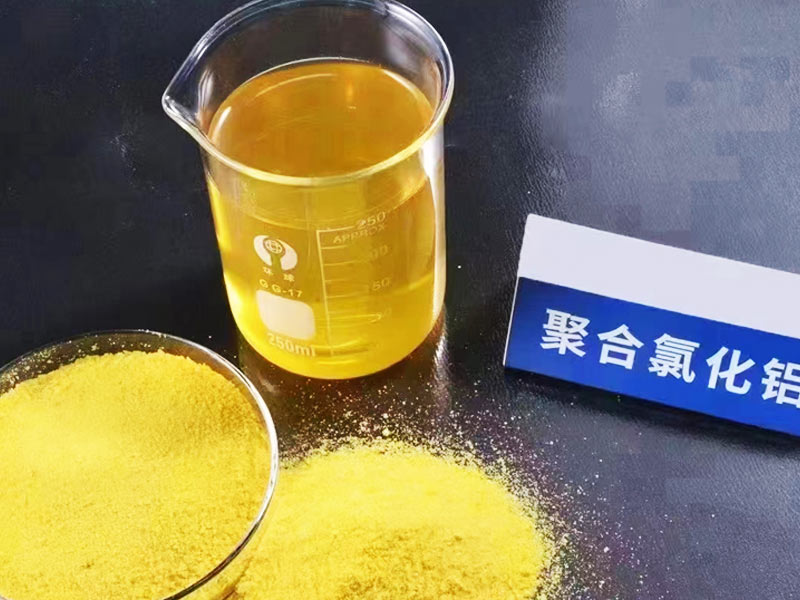
Beyond excessive dosage, the poor efficacy and equipment clogging of polyaluminium chloride stem from insoluble impurities. These water-insoluble components arise from variations in raw materials, production processes, and drying techniques, with raw materials being the primary source. Therefore, controlling water-insoluble substances in polyaluminium chloride can be achieved through raw material selection. Production typically employs bauxite and industrial waste hydrochloric acid, both inherently containing numerous impurities. Combined with specific production process factors, this leads to substantial generation of water-insoluble substances within the final product.
To remove water-insoluble matter, natural sedimentation can be employed. By leveraging the settling properties of these substances, allowing the polyaluminium chloride solution to stand for a period enables the water-insoluble matter to precipitate. Naturally, more effective methods exist. The spray-drying process for polyaluminium chloride also effectively removes water-insoluble matter. Products manufactured via spray drying typically exhibit very low levels of water-insoluble matter. This is crucial because such impurities can cause multiple issues, including pipeline blockages and diminished water treatment efficacy. Therefore, careful attention must be paid. For further information, please consult VICTOR Polyaluminium Chloride Manufacturer.