

Newstime:2026-03-31 Source:Polyacrylamide
There are indeed numerous types of polyacrylamide water treatment agents. Cationic polyacrylamide is one such variety, distinguished by its molecular weight. A significant advantage of cationic polyacrylamide during use is its excellent water solubility, enabling effective performance across diverse environments.
The efficacy of cationic polyacrylamide products is remarkably pronounced during application. It effectively promotes flocculation during purification processes, requiring only minimal quantities to achieve flocculation. Furthermore, cationic polyacrylamide can be combined with numerous inorganic flocculants to enhance performance significantly. Its application scope is exceptionally broad.
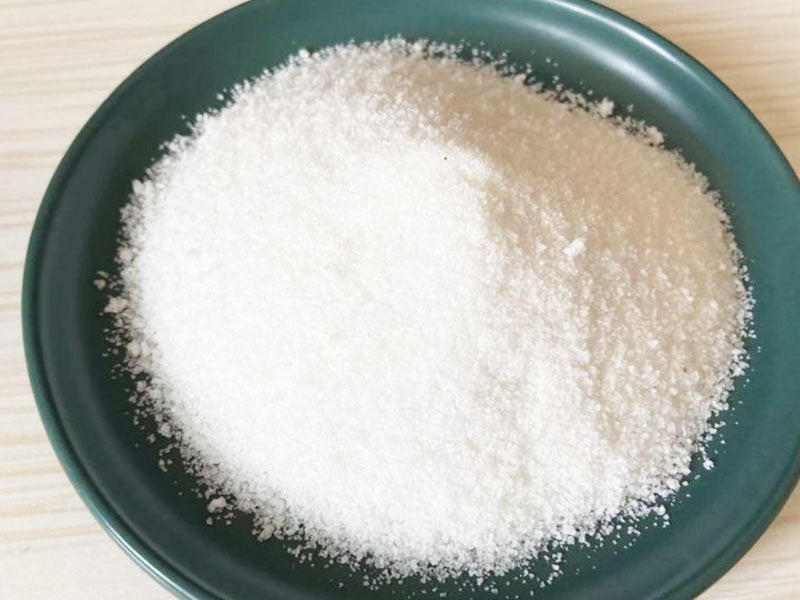
As an industrial water treatment agent, cationic polyacrylamide possesses numerous characteristics. Molecular weight, ion charge, polymerisation degree, and other factors all define its properties. However, failing to understand these characteristics makes it difficult to harness its unique qualities effectively. In essence, cationic polyacrylamide constitutes a linear polymeric compound susceptible to diverse functional group influences. Primarily, it acts upon negatively charged colloids during flocculation, exhibiting functions such as turbidity removal, decolourisation, and adsorption. Given the considerable variety of wastewater types, and the content of various impurities within wastewater also varies. Consequently, the dosage of cationic polyacrylamide required differs during application. This directly leads to variations in the dilution ratios of cationic polyacrylamide solutions, though significant distinctions still exist between concentration and purity.
What key considerations should be observed when employing cationic polyacrylamide products? The size of the flocs formed is crucial. Excessively small flocs may impede drainage efficiency, while overly large flocs can constrain filtration processes. Therefore, selecting an appropriate cationic polyacrylamide can effectively regulate floc size, ensuring stability under shear forces without disintegration. Additionally, sludge characteristics must be considered during application. Sludge is typically categorised as organic or inorganic based on composition. Cationic polyacrylamide is employed for treating organic sludge, while anionic polyacrylamide is used for inorganic sludge. Cationic polyacrylamide is suitable for highly alkaline conditions, whereas anionic polyacrylamide should not be used in strongly acidic environments. Clarifying these distinctions is essential.
The link to this article is: https://www.polyacrylamidepam.com/know/precautions-for-the-use-of-cationic-polyacrylamide.html
Copyright: Please credit the source when reproducing this content.2026-03-30
2026-03-25
2025-05-24
2025-05-17
2025-05-05