Although both
polyaluminium chloride and polyaluminium ferric chloride are types of water purification agents, they are distinct substances when considered purely from their nomenclature. They differ in their raw materials and production processes. Consequently, their physical appearances also differ.
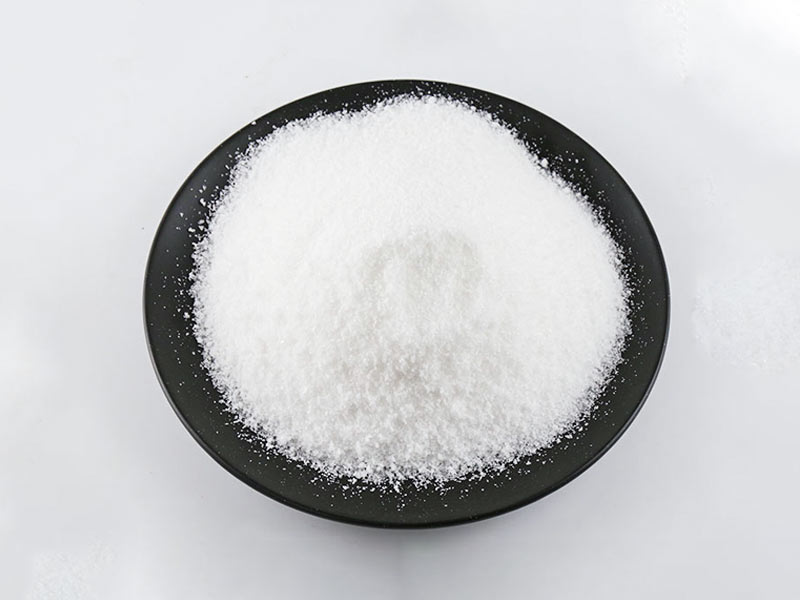
Polyaluminium chloride represents a novel water treatment chemical developed by combining the advantages of both polyaluminium chloride and ferric sulphate. It exhibits rapid hydrolysis, low turbidity in treated water, and accelerated sedimentation rates. Visually, polyaluminium chloride typically appears pale yellow, whereas polyferric aluminium chloride often presents as reddish or brown in colour. During water treatment, water treated with polyaluminium chloride tends to be softer and less prone to fabric scaling. Polyferric aluminium chloride, meanwhile, is employed in industrial wastewater treatment sectors such as steel mills, paper mills, and sewage treatment plants. It delivers rapid treatment effects, yielding water that is exceptionally transparent and clear. The choice of raw materials also differs between polyaluminium chloride and polyaluminium chloride. Polyaluminium chloride products, particularly those for drinking water applications, are manufactured from aluminium hydroxide powder. Polymerised aluminium ferric chloride, however, primarily utilises aluminium calcium powder as its raw material. Consequently, polyaluminium ferric chloride is restricted to industrial wastewater treatment, whereas polyaluminium chloride can purify both drinking water and industrial water supplies.
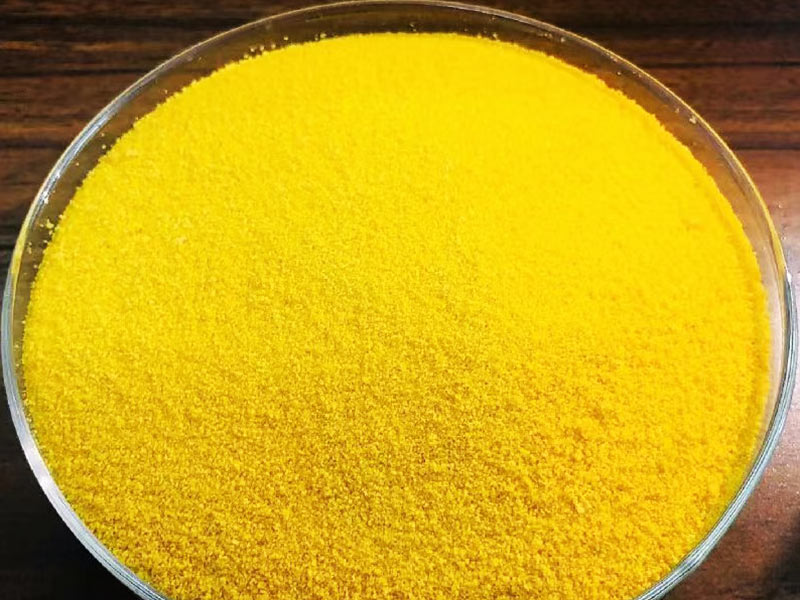
Polyaluminium iron chloride is a composite flocculant. It enhances the molecular structure of polyaluminium chloride, improving adsorption bridging effects and sedimentation. It is suitable for treating heavily polluted wastewater and low-temperature, low-turbidity water. During water purification, polymerised aluminium iron chloride demonstrates significant improvement in removing lead and iron ions. It exhibits greater polymerisation. Moreover, at low temperatures, polyaluminium ferric chloride rapidly forms large flocs. Its hydrolysis is less susceptible to temperature fluctuations. This stems from the lower iron content in standard polyaluminium chloride, whereas polyaluminium chloride iron exhibits the opposite characteristic. As the primary constituent of polyaluminium chloride iron, aluminium salts deliver superior performance, substantially reducing effluent colouration. This addresses the challenge of water treatment posed by polyaluminium chloride under low-temperature, low-turbidity conditions. Consequently, it stands as a versatile water purification agent with broad applicability.