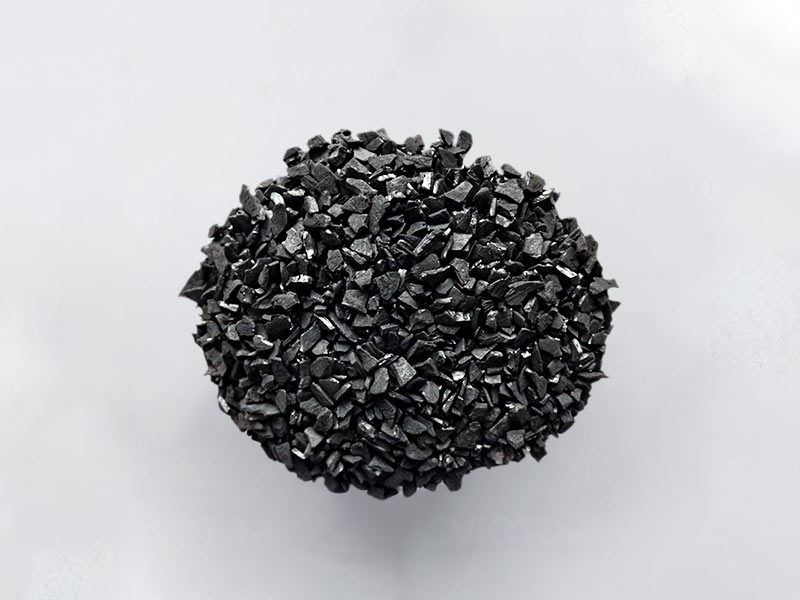
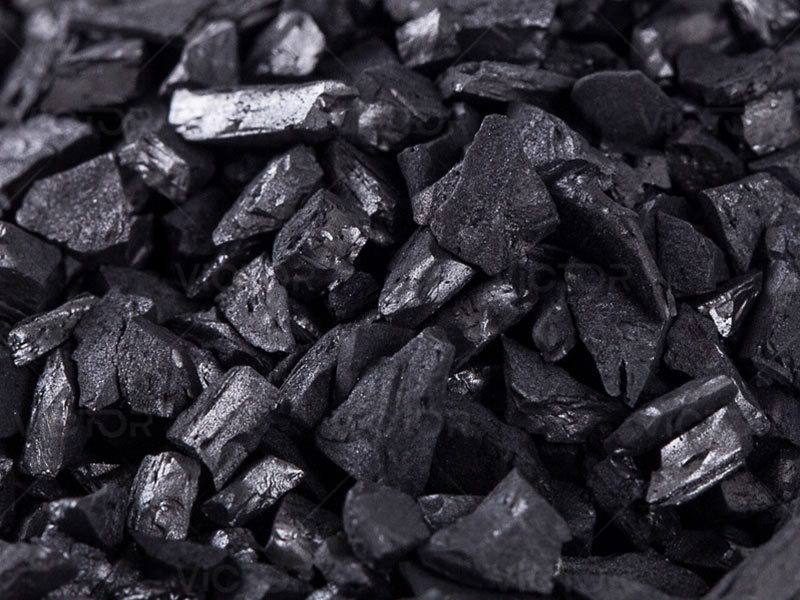
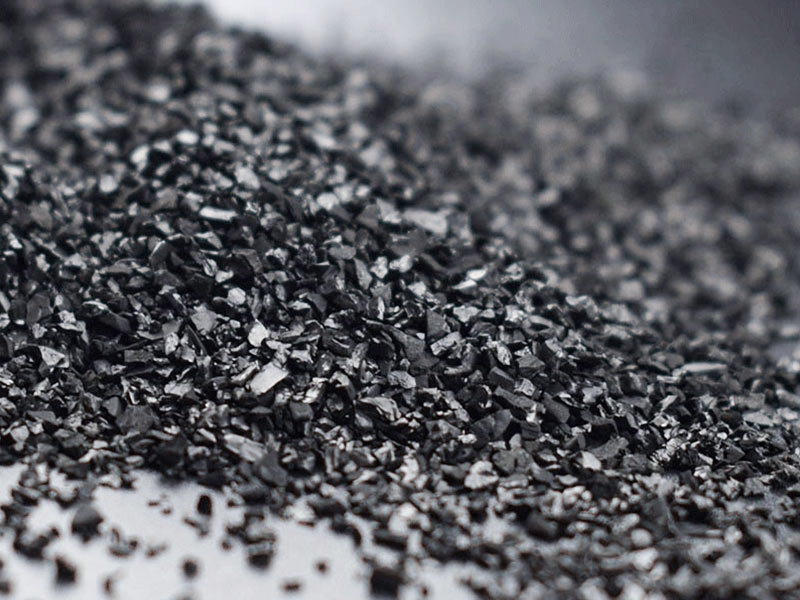
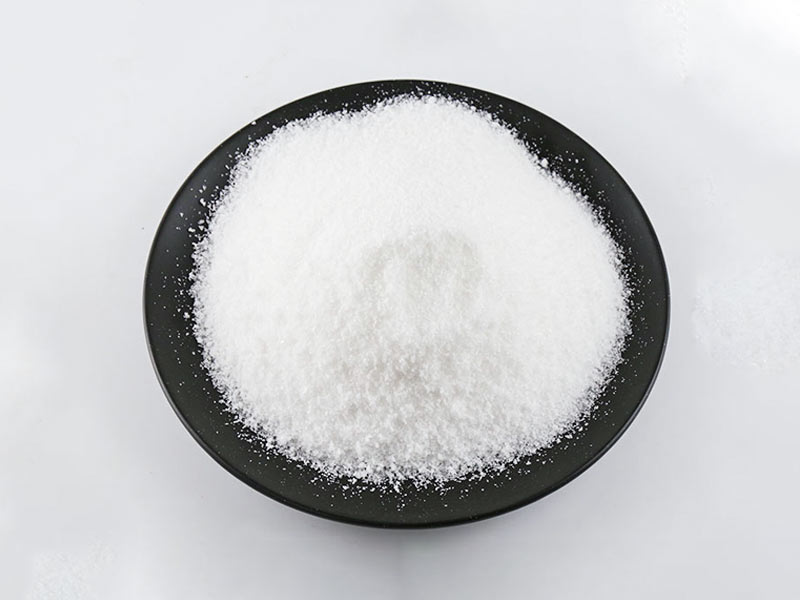
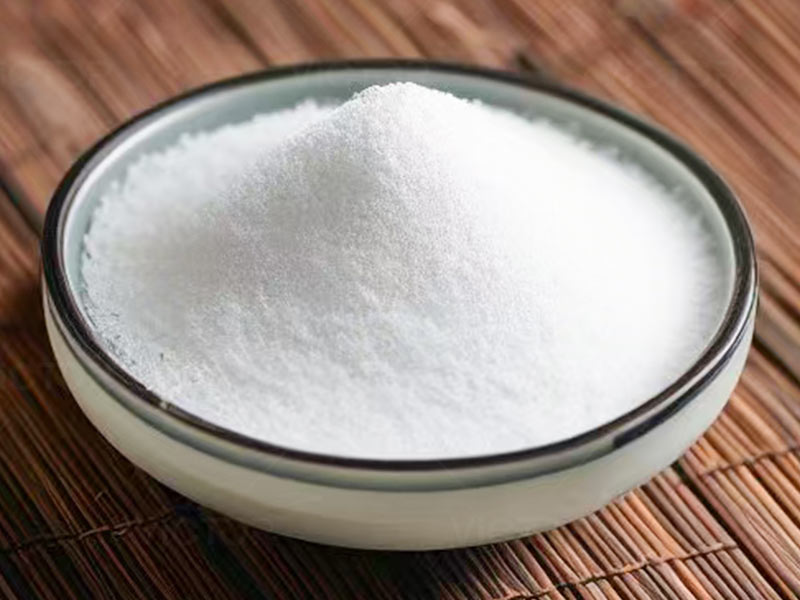
Product Detail:Shell-based activated carbon is produced through specialised processing of high-quality activated carbon. This product is specifically designed for purifying wastewater and exhaust gases. Hence, it is commonly referred to as ‘air purification shell-based
Application:Sugar manufacturing, pharmaceuticals, brewing, beverages, condiments and other industries
Coconut shell activated carbon exhibits high hardness and strength. The interstitial spaces between pores must be microporous to qualify as air purification activated carbon. Among activated carbon types, shell and coal-based variants demonstrate excellent efficacy for air purification. Coconut shell activated carbon delivers superior air purification performance, featuring a highly developed pore structure. Its extensive surface area provides broad air contact, resulting in strong adsorption capacity. It offers low resistance, stable performance, and extended service life.
Applications: Primarily employed in the advanced purification of drinking water and industrial wastewater. It effectively separates, purifies, and refines various exhaust gases and tail gases. It serves in decolourisation, deodorisation, and preparation processes across industries including sugar production, pharmaceuticals, brewing, beverages, and condiments. Within the chemical industry, it is frequently utilised as a catalyst.
Coconut shell activated carbon pores are categorised into three types: Macroporous: Radius 100–2000 nm. Mesoporous: Radius 2–100 nm. Microporous: Radius below 2 nm. Activated carbon produced from diverse raw materials exhibits varying pore sizes. Nut shell activated carbon possesses smaller pores, rendering it particularly suitable for purifying gases containing small molecules. Its substantial surface area facilitates air purification, provided the pore size slightly exceeds the molecular weight of the adsorbed gas molecules.
Usage Instructions: Select the optimal placement location, such as wardrobes, shoe cabinets, computer desks, writing desks, coffee tables, sofas, or kitchen cabinets where people pass by and leave behind starch residues. It is best positioned near the source of contamination. Activated carbon operates more passively and achieves optimal air purification within small areas or confined spaces. In newly renovated homes, the most toxic and harmful odour is undoubtedly formaldehyde, which is heavier than air. Therefore, select the most heavily polluted area, ideally within 1.8 metres. This height corresponds best to human height, making it the optimal placement location.