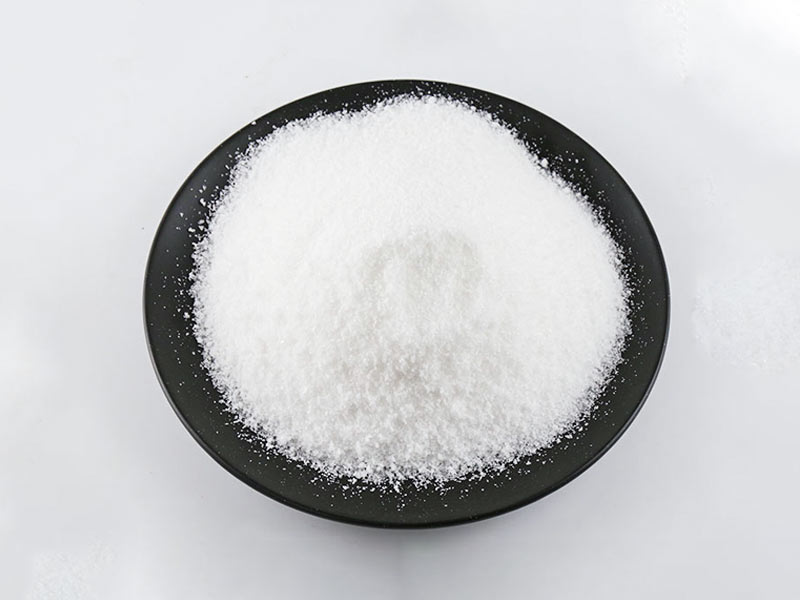
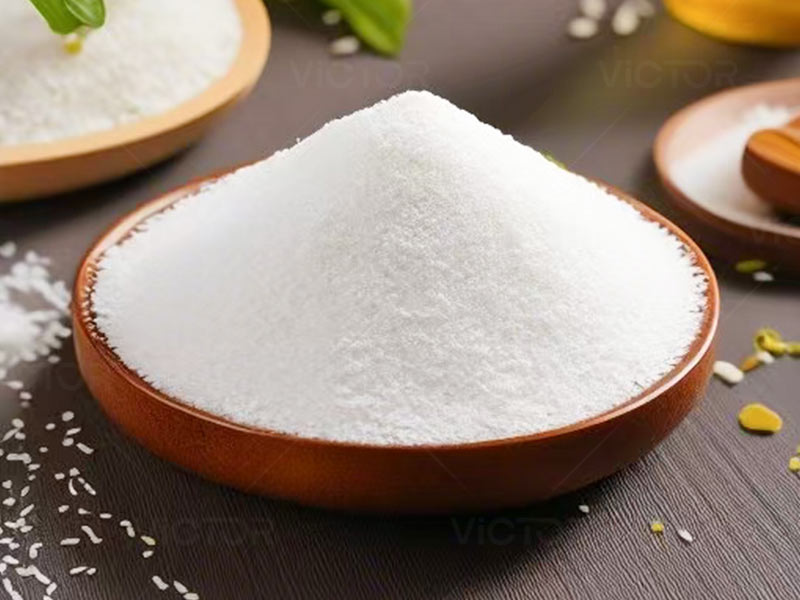
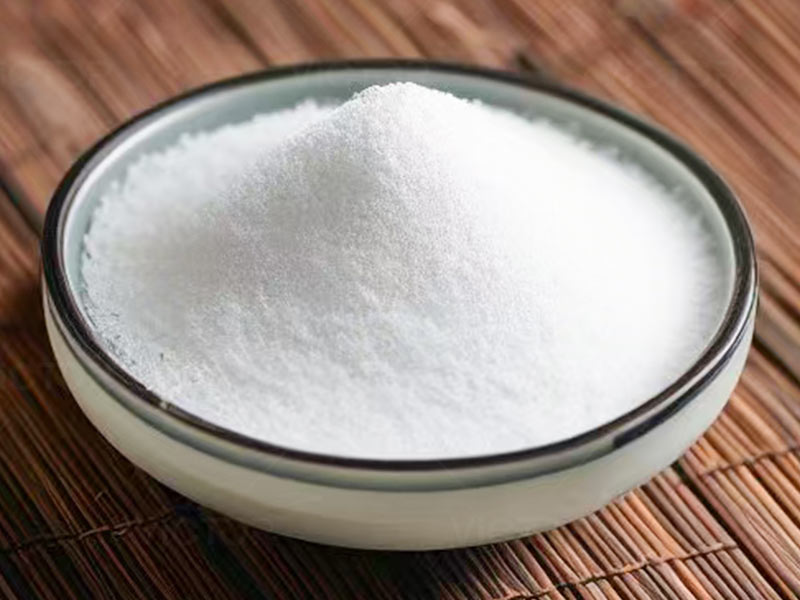
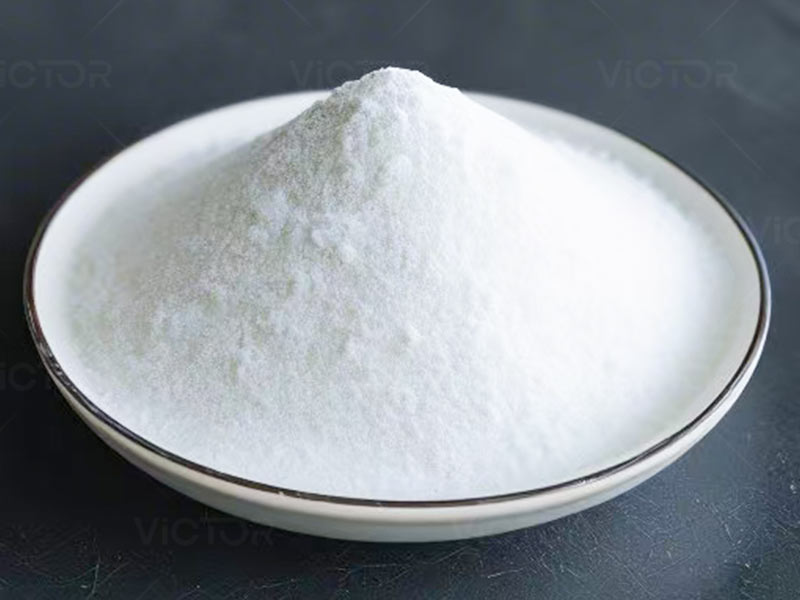
As a widely utilised
polyaluminium chloride product, this chemical agent plays a significant role in water treatment. Functioning as a water purification agent, polyaluminium chloride can be employed for both industrial wastewater treatment and drinking water purification. However, can polyaluminium chloride used for treating industrial effluent be applied to drinking water treatment? Many remain uncertain on this point. Today we shall discuss the distinctions between polyaluminium chloride for drinking water and that for sewage treatment.
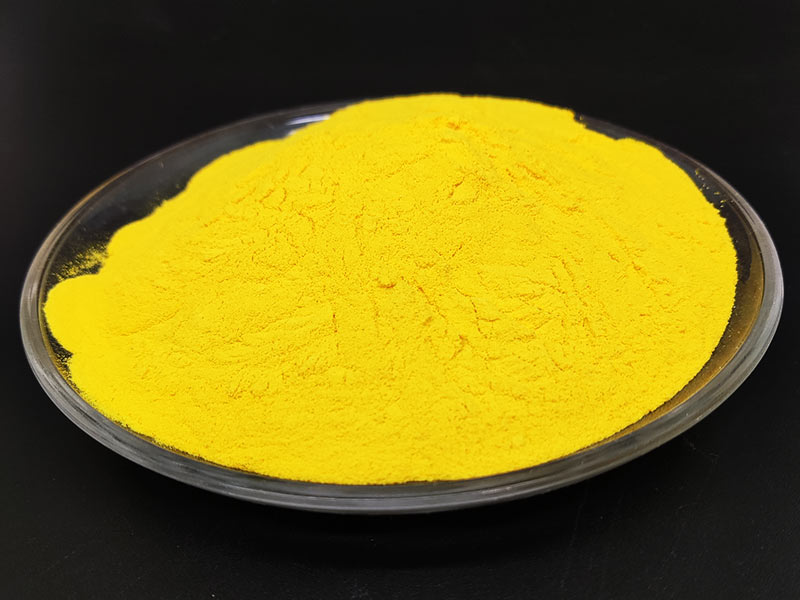
Generally speaking, polyaluminium chloride for drinking water and that for sewage treatment are distinct. Polymerised aluminium chloride for industrial wastewater typically appears brown or deep yellow in colour. Its aluminium oxide content ranges between 25% and 28%, and it is predominantly produced using a drum-type manufacturing process. The resulting polymerised aluminium chloride is a high-molecular-weight flocculant, representing a relatively new water treatment chemical developed from aluminium and iron salts. Offering low production costs alongside excellent purification efficacy, it finds extensive application in diverse industrial wastewater treatment and municipal sewage treatment processes. Conversely, polyaluminium chloride for potable water typically exhibits a yellow or golden hue, with a higher required aluminium oxide content, generally around 30%. The preference for high-aluminium-content products in drinking water treatment stems from their absence of iron and other heavy metals. It poses no harm to human health. Production of drinking water-grade polyaluminium chloride primarily employs plate-and-frame filtration or spray drying processes, resulting in slightly higher manufacturing costs. As a relatively new, highly efficient, and stable chemical agent, it finds extensive application in various tap water treatment and potable water purification systems.
Given that different applications of polyaluminium chloride require distinct formulations, what other uses exist beyond these? Beyond its application in domestic water and sewage treatment, Poly Aluminium Chloride is also employed in petroleum refining, where it demonstrates remarkable efficacy in oil-water separation. Furthermore, it facilitates the recycling of wastewater in industries such as mining, oilfield injection water treatment, papermaking, and coal washing. Simultaneously, it finds application as a cement accelerator, precision casting hardener, and refractory material binder, among other sectors. It is truly a versatile product of considerable value, delivering reliably effective results.