In today's era of continuous economic development, green and environmental protection have become imperative considerations for progress. In wastewater treatment,
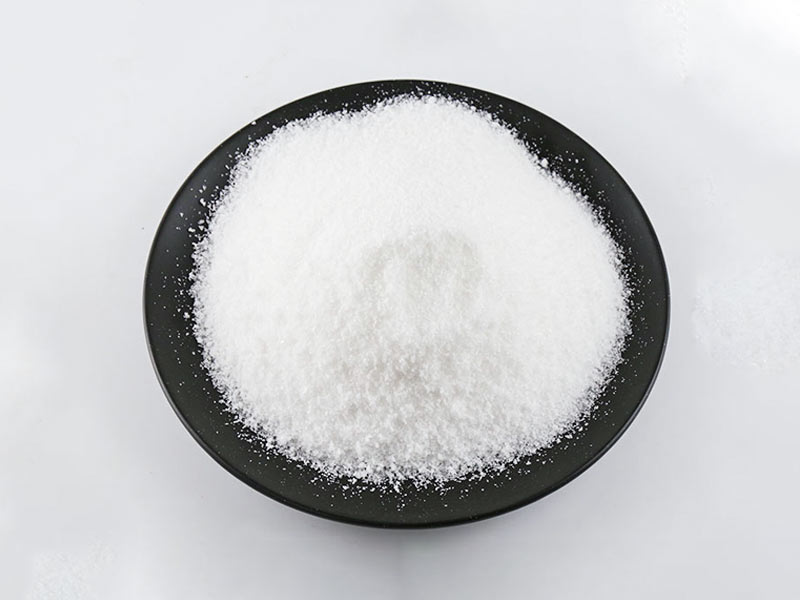
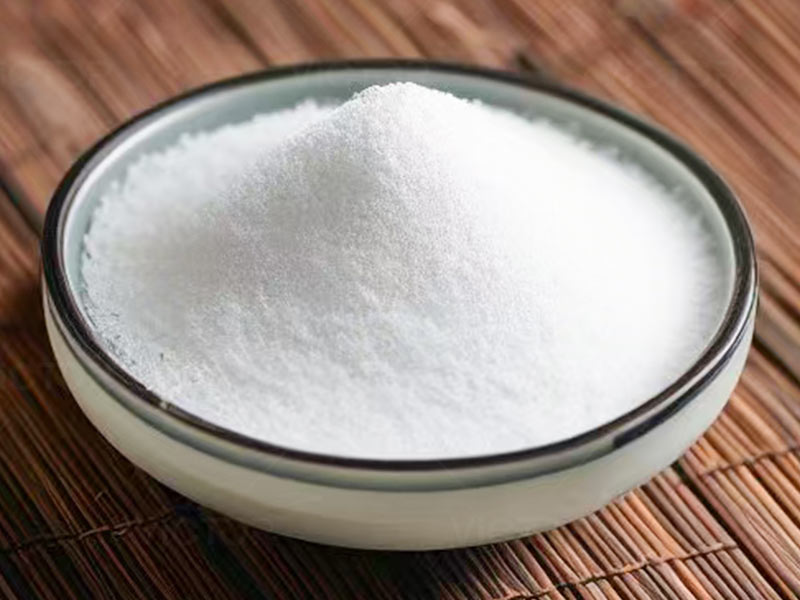
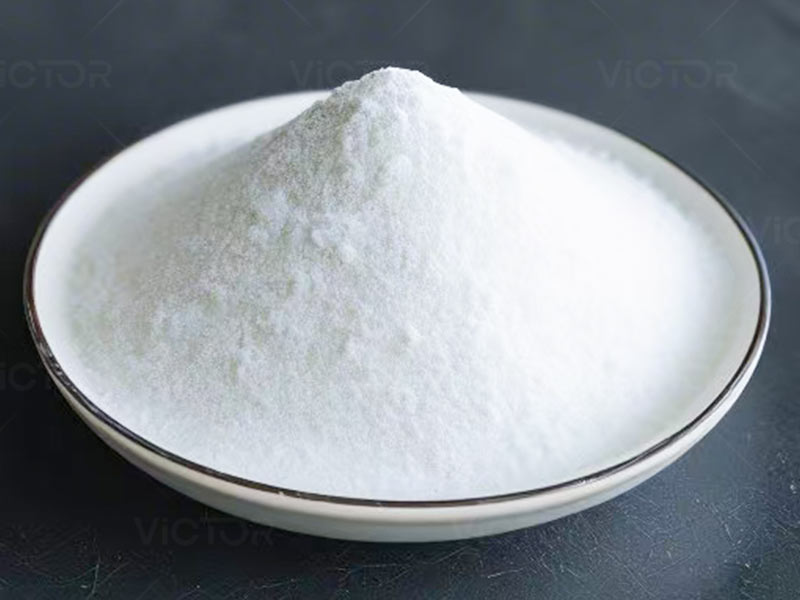
polyaluminium chloride plays a vital role, making significant contributions to green, healthy, and eco-friendly practices. It has proven effective in water purification, wastewater treatment, and pollution prevention. Presently, green and environmental principles have become integral components and prevailing trends in development.
Water is the source of life. Access to clean water is vital for all humanity. Yet over half of China's water sources suffer from pollution. This is where the efficacy of polyaluminium chloride products becomes evident. As an inorganic polymer flocculant, it exhibits adsorption and bridging properties. It effectively flocculates, coagulates, and precipitates suspended and colloidal ions within water. Moreover, the performance and efficacy of polyaluminium chloride products markedly surpass those of traditional aluminium sulphate and ferrous sulphate. Coupled with its pronounced effectiveness and low dosage requirements, polyaluminium chloride finds extensive application in treating various wastewater streams, including domestic sewage, industrial effluent, and industrial wastewater.
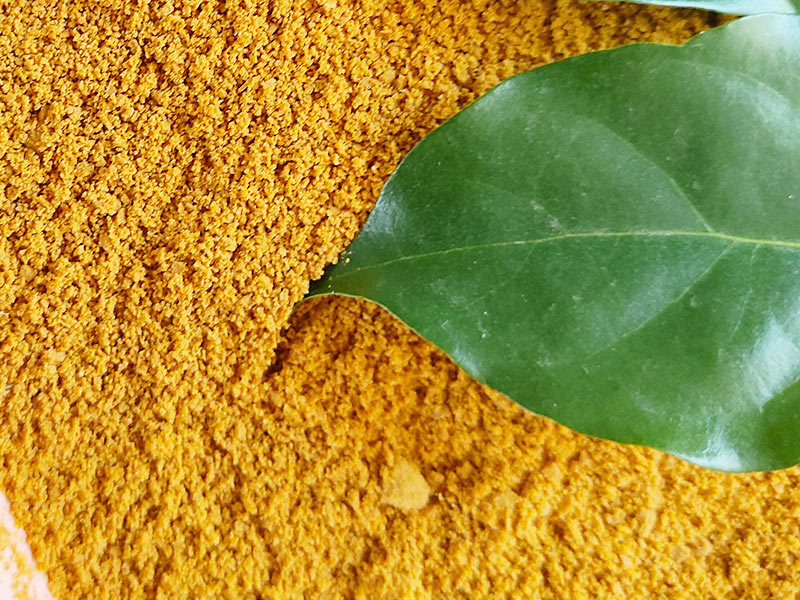
Due to industrial and quality requirements, most polyaluminium chloride products utilise aluminium-rich minerals such as aluminium chips or aluminium ash. For higher-grade products, premium raw materials like elemental aluminium or high-purity alumina are employed. Production processes vary considerably depending on the raw materials used. Broadly, these can be categorised as the metallic aluminium method, the aluminium hydroxide method, and the aluminium oxide method. Each approach involves significantly different production processes.
The metallic aluminium method employs elemental aluminium or aluminium powder for processing. However, this approach presents relatively high processing difficulties. Moreover, elemental aluminium is comparatively expensive. Consequently, polyaluminium chloride produced via this method carries a higher price point. The aluminium hydroxide method utilises aluminium hydroxide as the primary raw material. The production process is relatively straightforward. However, the polyaluminium chloride produced via this method exhibits a lower base degree. The third method is the aluminium trioxide process, which is currently the most widely adopted. Raw materials include bauxite or kaolin. This method offers a simple production process with easily controllable specifications. Furthermore, polyaluminium chloride produced via the aluminium trioxide process is of excellent quality and is also very cost-effective.