As a highly effective water purification product, the efficacy of
polyaluminium chloride has garnered widespread acclaim. Its ability to treat diverse industrial effluents makes it particularly prevalent in dyeing and printing wastewater management. This prominence stems from both the coagulation properties inherent to polyaluminium chloride and the specific characteristics of dyeing wastewater. But why does polyaluminium chloride deliver such outstanding results in treating dyeing effluents? Let us explore this together.
Polyaluminium chloride exhibits excellent flocculation properties, effectively coagulating both organic and inorganic pollutants within wastewater. Throughout this flocculation process, the polymer undergoes hydrolysis and polymerisation reactions. This enables it to neutralise, bridge, and adsorb contaminant particles in dyeing effluent, forming larger flocs. As these flocs settle, the water purification effect is achieved.
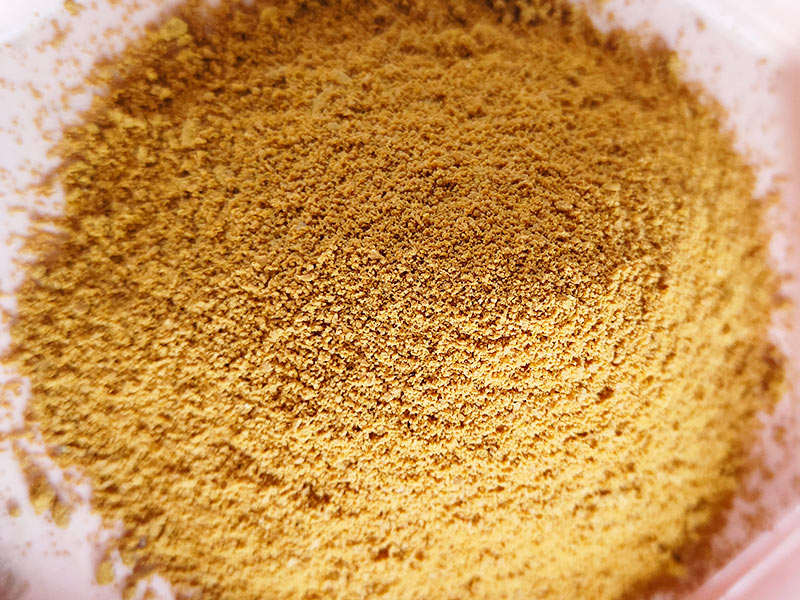
Indeed, from a water purification perspective, the primary challenge in treating dyeing wastewater lies in its substantial content of inorganic pollutants and organic contaminants. Substances such as halides, nitro compounds, anilines, and phenols present significant treatment difficulties. However, given the broad water treatment applicability of polyaluminium chloride, it can react with pollutants in dyeing wastewater to form flocs that precipitate. This transforms the effluent into water meeting standard discharge requirements. Furthermore, polyaluminium chloride requires minimal dosage, reacts rapidly, and is convenient to administer with straightforward operation. These qualities make it an excellent choice for dyeing wastewater treatment.
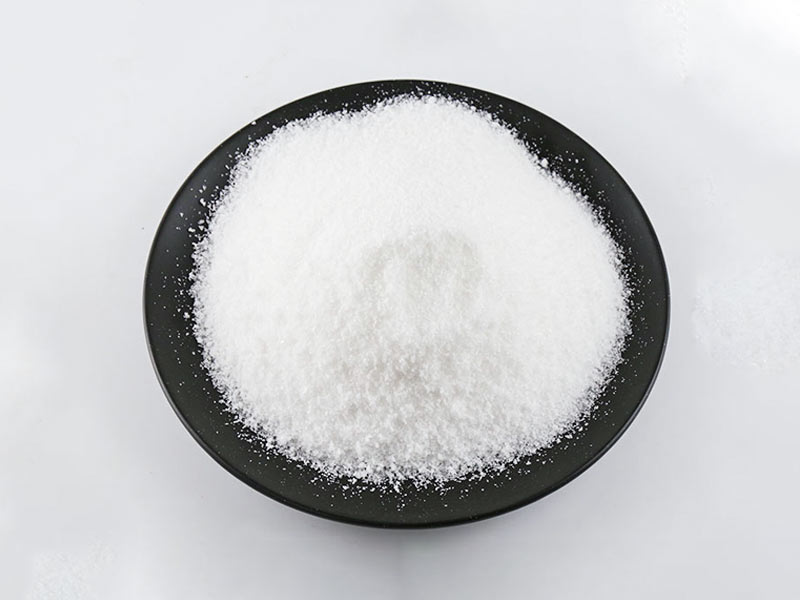
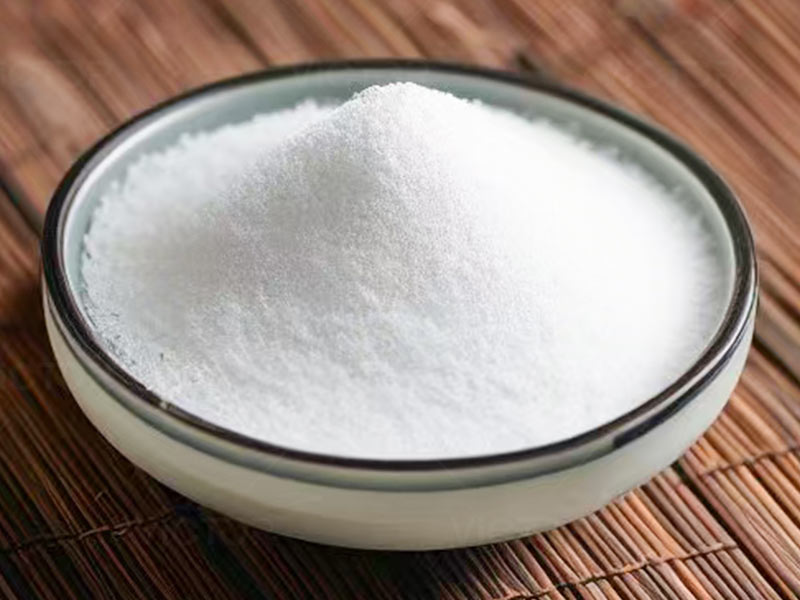
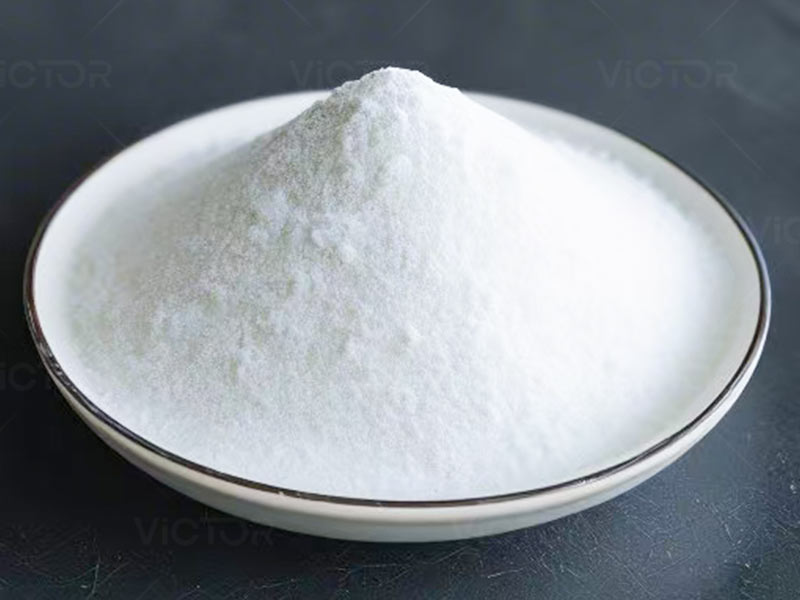
How should polyaluminium chloride be utilised? It should be noted that solid polyaluminium chloride remains the preferred form for most users. However, solid polyaluminium chloride must be fully dissolved prior to use. Dissolution can be achieved at ambient temperature. During application, add the polyaluminium chloride to a dissolution tank and incorporate tap water for dissolution. Maintain continuous, uniform agitation throughout the addition process. Once fully dissolved, a polyaluminium chloride solution is obtained. For practical wastewater treatment, preliminary trials are essential to determine the optimal dosage and concentration. Subsequent application will then yield highly satisfactory results. It should be noted that once dissolved, polyaluminium chloride cannot be stored for extended periods. It is advisable to prepare only the day's required quantity and avoid leaving it overnight.