As a novel water purification chemical,
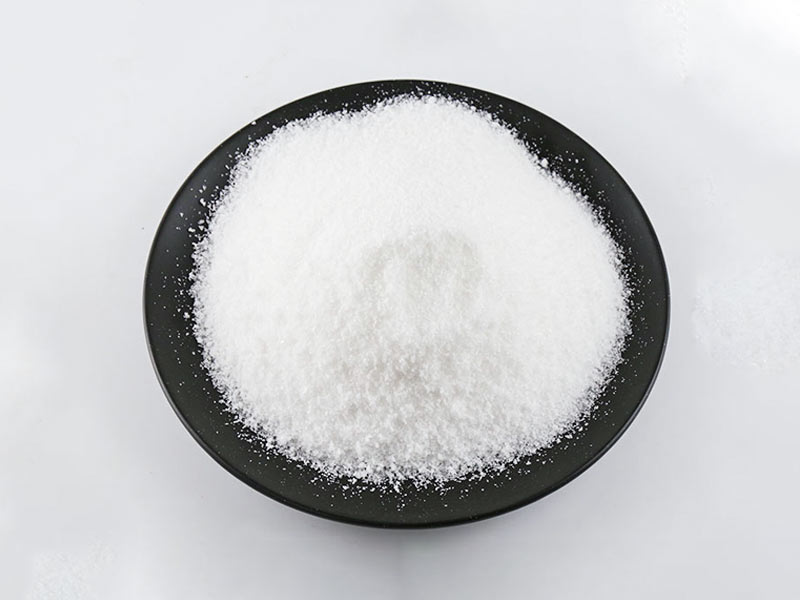
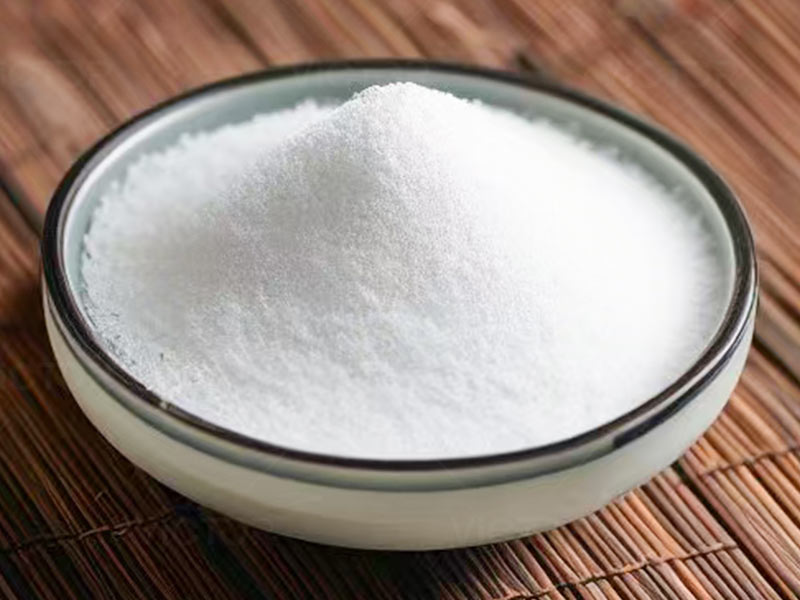
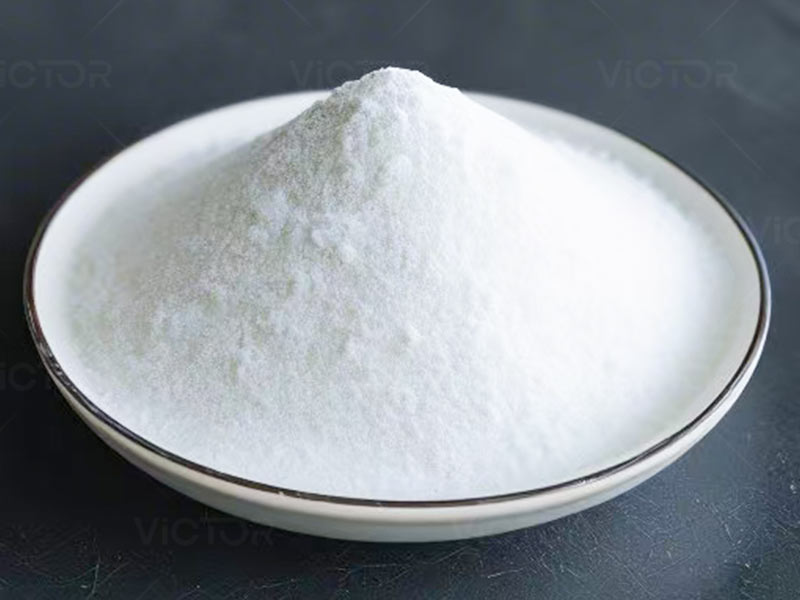
polyaluminium chloride gained widespread popularity among customers upon its introduction. It has progressively replaced more traditional water treatment agents, comprehensively dominating the market. This is attributable to the numerous advantages polyaluminium chloride offers during water treatment processes, thereby establishing its position as the prevailing water purification product today.
Those familiar with polyaluminium chloride recognise it as a coagulant. Its coagulation performance is susceptible to multiple factors, including water quality, pH of the treated water, dosage, and temperature. These variables all influence the efficacy of polyaluminium chloride. Today, however, we shall examine whether polyaluminium chloride is particularly affected by ambient temperature and the extent of this influence.
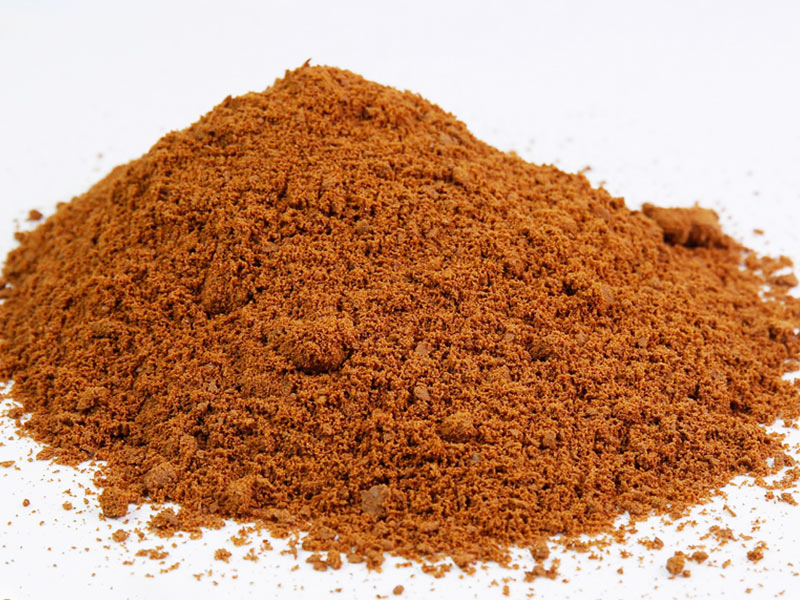
During water treatment, polyaluminium chloride is generally susceptible to temperature variations. Nevertheless, provided temperatures remain above -5°C, polyaluminium chloride products exhibit commendable flocculation performance. Naturally, optimal flocculation occurs around 20°C. However, temperatures below -5°C diminish flocculation efficacy, as excessively low temperatures cause the product's molecules to gradually cease activity. This hinders floc formation and impairs adsorption efficiency during the adsorption process. Ultimately, this compromises sedimentation effectiveness, leading to suboptimal performance. Therefore, polyaluminium chloride should be used at ambient temperatures. It should be noted that even in high-temperature environments, the flocculation performance of polyaluminium chloride products remains excellent. In this regard, while usage in northern winters may experience some impact, the overall effect is minimal.
The minimal temperature sensitivity of polyaluminium chloride primarily stems from its molecular structure. The product exhibits stability within the ambient temperature range of 5–20°C. It is within this range that polyaluminium chloride delivers optimal coagulation performance. Even significant temperature fluctuations exert only marginal effects on the product itself. Only at specific threshold temperatures do molecular interactions within the polyaluminium chloride begin to degrade, ultimately compromising the efficacy of the treatment agent. Consequently, careful attention must be paid to the temperature requirements of polyaluminium chloride.