The application scope of
polyaluminium chloride products continues to expand, garnering increasing favour among users. This is due to the highly effective results achieved when employing polyaluminium chloride for wastewater treatment. However, many find it challenging to discern the quality of polyaluminium chloride products. In truth, one need only understand the key indicators influencing the performance of polyaluminium chloride products.
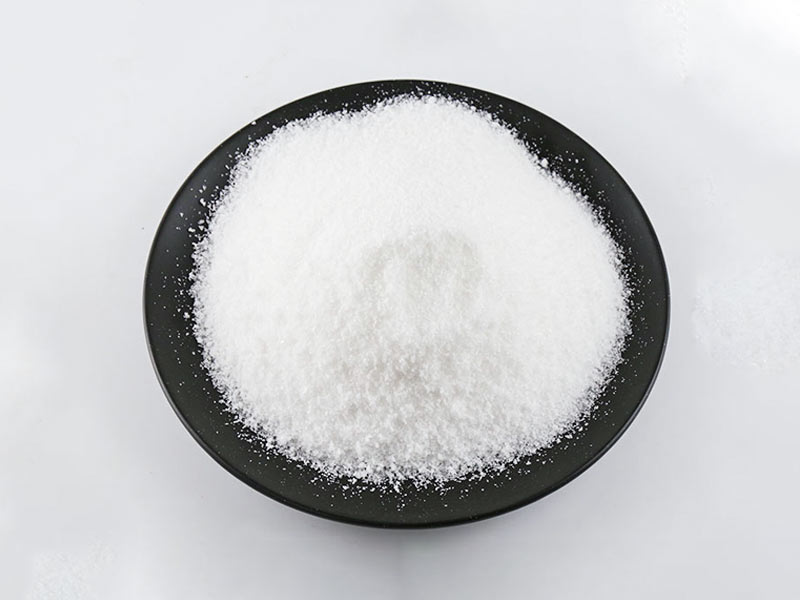
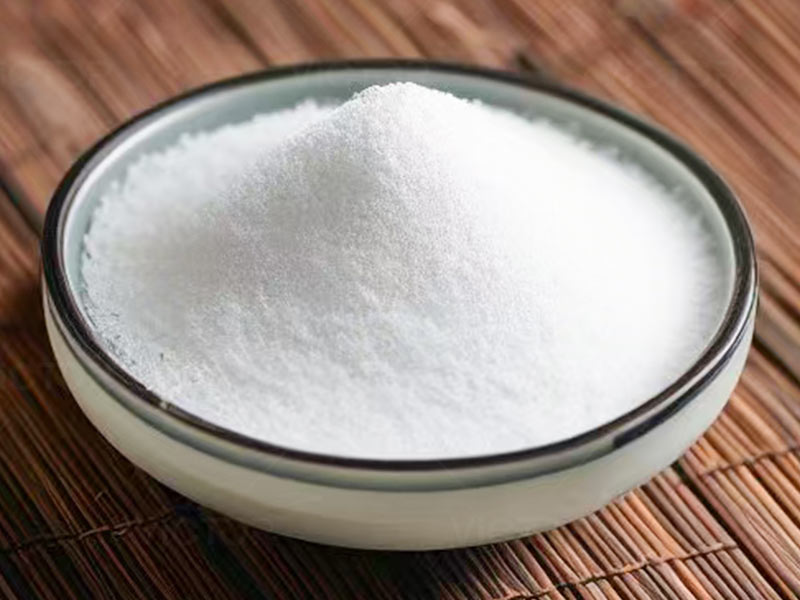
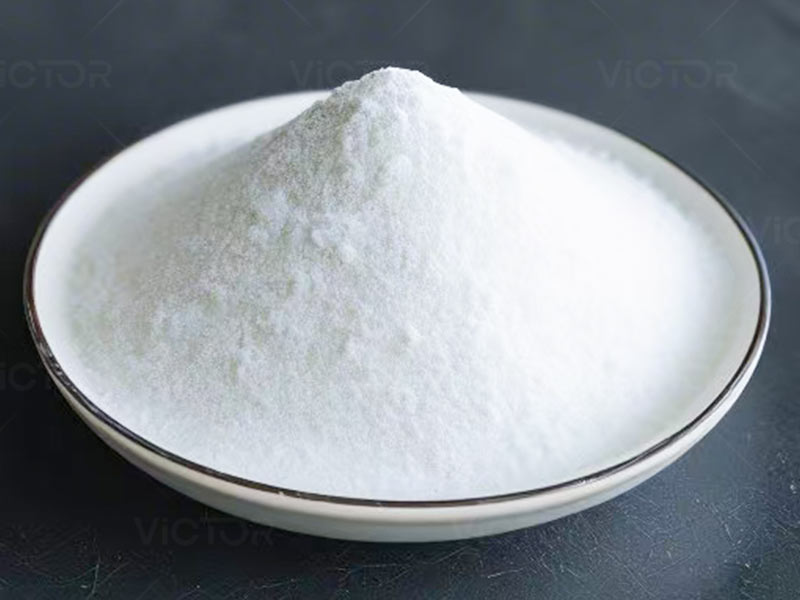
Generally, the key indicators affecting the quality of polyaluminium chloride are the aluminium oxide content, the base degree of the polyaluminium chloride, and the insoluble matter content in the product. Among these, the alumina content directly impacts the subsequent performance of the polyaluminium chloride. Moreover, significant price variations exist across different concentrations. Therefore, under otherwise identical conditions, practical application requires conducting specific trials to determine the optimal dosage. Secondly, the base degree of the polyaluminium chloride product directly impacts its water purification efficacy. Adjustments must be made during use according to the specific product characteristics. It should be noted that spray-dried polyaluminium chloride exhibits relatively higher polymerisation, whereas drum-dried polyaluminium chloride demonstrates lower polymerisation. Finally, the insoluble matter content of polyaluminium chloride is a key indicator determining its efficacy. Particularly in drinking water treatment, strict specifications govern the insoluble matter content. Regardless of whether it is drum-type or spray-dried polyaluminium chloride, the insoluble matter content can be effectively reduced through plate-and-frame filtration.
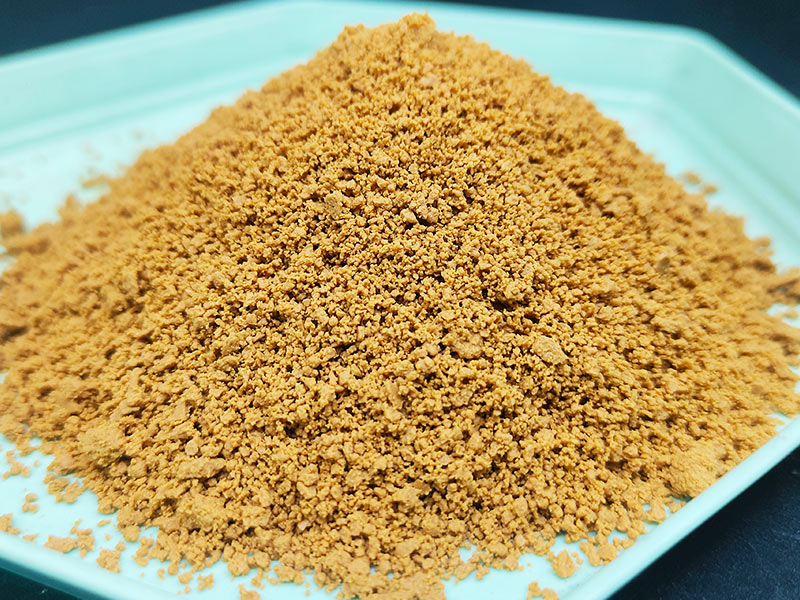
The above factors collectively influence the efficacy of polyaluminium chloride. Additionally, stringent requirements apply during transportation. As polyaluminium chloride is a mildly acidic chemical, it must never be transported alongside alkaline substances, as this would directly compromise product performance. Solid polyaluminium chloride imposes strict packaging requirements, typically necessitating double-layered packaging: an inner polyethylene plastic bag enclosed within an outer woven plastic bag. Furthermore, storage conditions for polyaluminium chloride are critically dependent on the environment, as solid forms demand particular attention. Typically, double-layered packaging is required: an inner layer of polyethylene plastic bags and an outer layer of woven plastic sacks. Furthermore, storage conditions for polyaluminium chloride impose stringent environmental requirements. Due to its strong hygroscopic properties, solid polyaluminium chloride must be stored in a dry, well-ventilated, and cool location. Failure to do so may cause the material to harden, altering its texture and adversely affecting its final performance.