As a widely employed water treatment chemical within the industry,
polyacrylamide boasts an extensive range of applications. Precisely due to its broad usage, polyacrylamide is categorised into numerous types, each possessing distinct functional properties.
Polyacrylamide classification varies according to different criteria. By ionic type: anionic, cationic, non-ionic, and amphoteric polyacrylamide. By physical state: colloidal, liquid, emulsion, and solid forms. Which of these four states proves most suitable for practical applications?
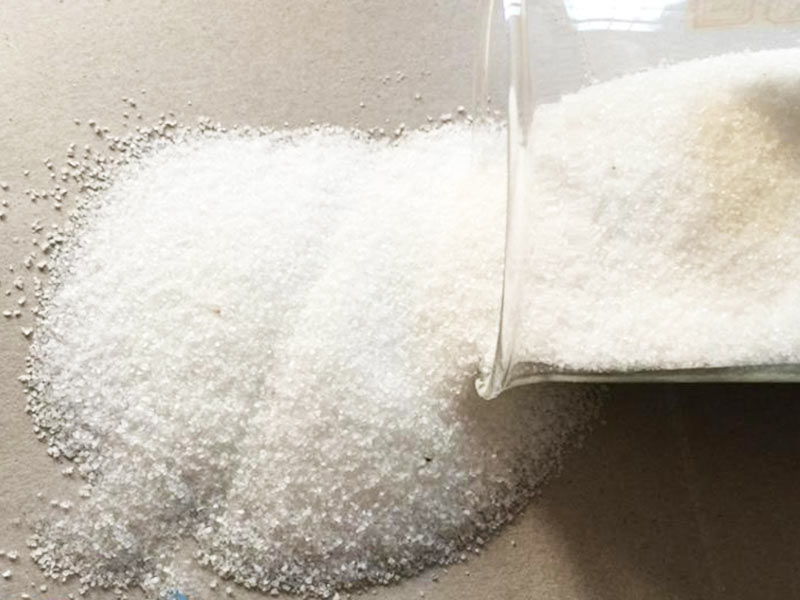
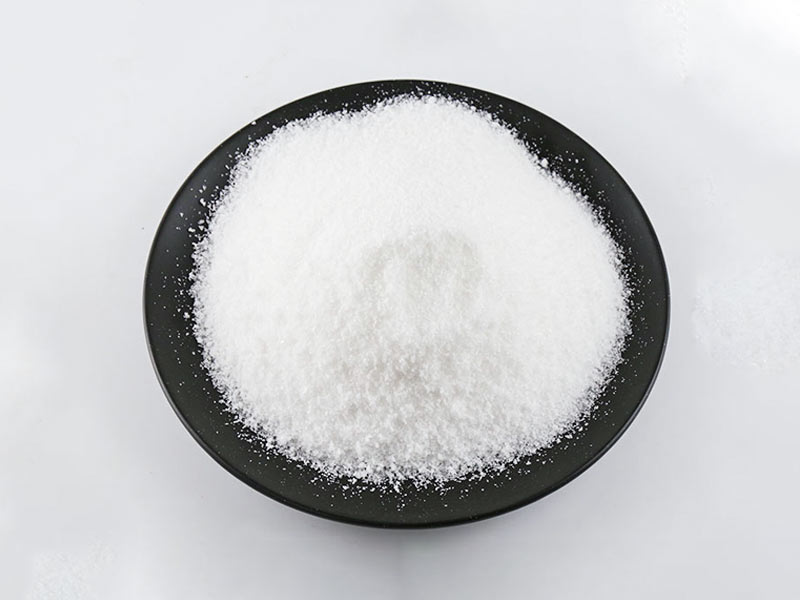
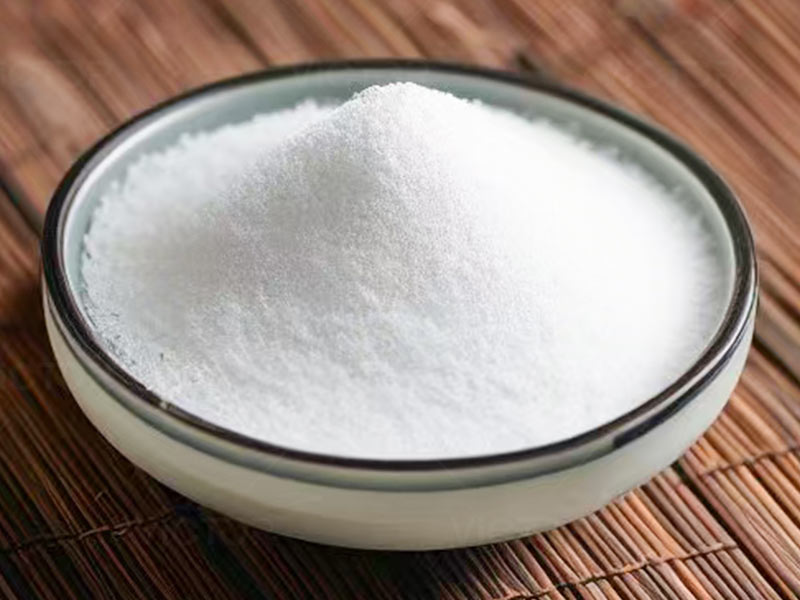
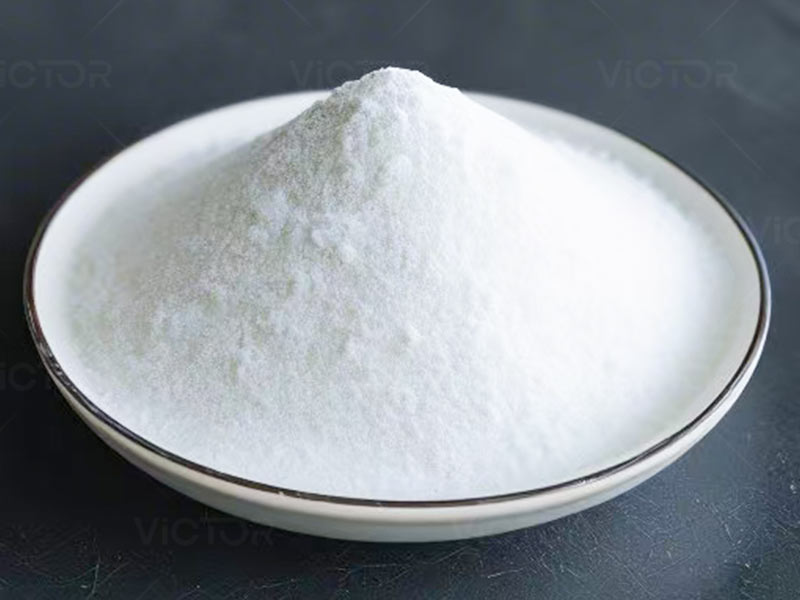
Solid granular or powdered polyacrylamide is produced using an aqueous acrylamide solution as the raw material. Under the influence of an initiator, a polymerisation reaction occurs. Upon completion of the reaction, large polyacrylamide gel blocks are formed. These undergo processes such as cutting, granulation, drying, and grinding to yield the final polyacrylamide product. For regular usage, solid polyacrylamide is preferable. This form maintains consistent product concentration and exhibits extended shelf life when stored in a cool, dry environment – typically up to two years. However, once dissolved into solution, its storage period is significantly reduced. Standard dissolution concentrations generally remain at 0.1%. Storage durations also vary. Solutions of anionic and non-ionic types should not be stored for longer than one week, while cationic polyacrylamide solutions should not be kept for more than one day. Furthermore, the stability and concentration of these solutions are interrelated. Higher concentrations permit longer storage periods. However, excessively high concentrations render the solution unsuitable for direct water treatment. Dilution is required prior to use. Only after dilution can the solution be utilised. Therefore, for polyacrylamide products, opting for solid formulations is preferable. This allows for preparation and use as needed, minimising waste and avoiding increased costs.
Naturally, storage conditions must also be carefully managed. Polyacrylamide products exhibit sensitivity to trace elements such as iron ions, calcium ions, and magnesium ions. Iron ions, in particular, are a primary catalyst for degradation. Consequently, storage must strictly prevent the ingress of iron-containing substances into the polyacrylamide product.