Many manufacturers today fully recognise the role of
polyaluminium chloride in water treatment, as its applications continue to broaden. However, during the utilisation of polyaluminium chloride products, performance is subject to various interferences, with temperature being one such factor. What, then, is the impact of temperature on the efficacy of polyaluminium chloride products?
Generally speaking, polyaluminium chloride is significantly affected under conditions of low temperature and low turbidity. Conversely, its performance is less impacted by high temperatures and high turbidity. Once temperatures drop below -5°C, the flocculation effect becomes impaired. Conversely, excessive heat exerts a lesser influence. The fundamental reason lies in the transition of polyaluminium chloride molecules from an active to a static state, primarily driven by temperature fluctuations. At temperatures between 5°C and 20°C, the molecular structure of polyaluminium chloride remains relatively stable. However, when temperatures drop below freezing, the molecules gradually cease activity, thereby compromising the product's efficacy. The most direct manifestation is suboptimal flocculation, making it difficult to form flocs. Furthermore, during adsorption, the poor adsorption effect impedes sedimentation. Therefore, when temperatures are low, one may opt to heat the wastewater before adding the polyaluminium chloride solution. However, this approach remains quite costly. Generally, many choose to use polyaluminium chloride for wastewater purification around midday when direct sunlight provides relatively higher temperatures.
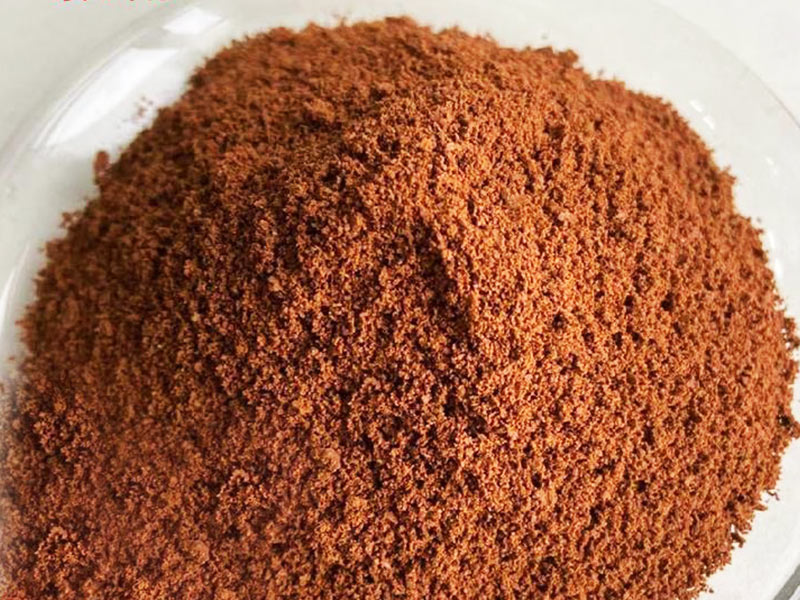
Beyond temperature, concentration also significantly influences the efficacy of polyaluminium chloride products. Polymerised aluminium chloride products are primarily designed for treating wastewater or potable water. Their high alkalinity minimises corrosion on equipment. They effectively remove turbidity, bacteria, odours, oils, and more. They are widely applied across various industries and fields. Regarding concentration, the typical ratio for polymerised aluminium chloride is around five per cent. Tap water is generally preferred for dissolution. Thoroughly stir and allow to settle for approximately one hour. However, the precise dosage must be determined based on the wastewater concentration. As the quality of polyaluminium chloride products varies between manufacturers, different brands should not be mixed during use. Furthermore, it is essential to conduct trials before deployment, particularly during winter and summer. Both temperature and concentration significantly impact the efficacy of polyaluminium chloride.