As a highly water-soluble polymeric macromolecule,
polyacrylamide exhibits excellent flocculating properties and is insoluble in most organic solvents. It effectively reduces interfacial friction between liquids and finds extensive application in thickening, colloid stabilisation, drag reduction, wastewater treatment, and other fields. However, did you know that the flocculating efficacy of polyacrylamide products is pivotal to their performance? So, what factors influence the flocculation concentration of polyacrylamide?
The concentration must be appropriate. Generally, polyacrylamide achieves excellent flocculation effects at low concentrations. Within the range of 5 to 10 million parts per million (ppm), the flocculated aggregates are relatively coarse, and the floc settling speed is rapid. The supernatant after settling is relatively clear. However, if the polyacrylamide concentration exceeds 600 ppm, the flocculant forms finer flocs during coagulation, prolonging the settling time. This results in a significantly turbid supernatant and flocs with poor elasticity. This occurs because excessively high concentrations induce molecular protection, forming a colloidal state that impedes effective flocculation.
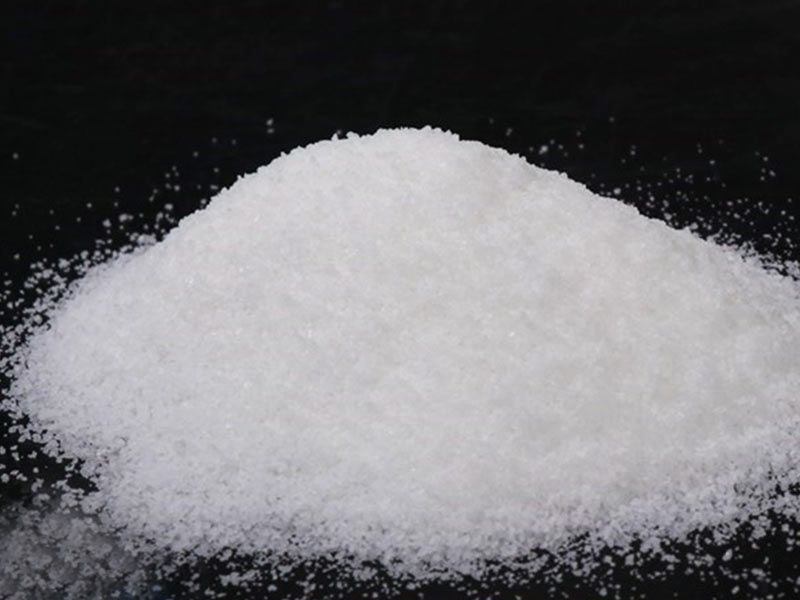
Secondly, the pH of wastewater significantly influences polyacrylamide product selection. Even for identical wastewater compositions, pH values may vary considerably, necessitating entirely different flocculant choices. For instance, under acidic conditions, polyacrylamide products are ideally suited for standalone wastewater treatment. However, in neutral to alkaline wastewater environments, combining polyaluminium chloride with polyacrylamide yields superior results. Therefore, when determining polyacrylamide concentration, it is essential to select the appropriate polyacrylamide product and manufacturer based on the specific wastewater being treated. Alternatively, adjusting the wastewater's pH value may yield a more effective and cost-efficient flocculant. Subsequently, establish a reasonable dosage based on these characteristics to optimise polyacrylamide performance.
Numerous manufacturers now produce polyacrylamide with varying degrees of ionisation. During practical application, suitable types can be selected through experimentation. No hydrolysis is required; it dissolves directly for use. When purchasing polyacrylamide products, it is advisable to source them from reputable manufacturers to avoid substandard products that may yield unsatisfactory results.